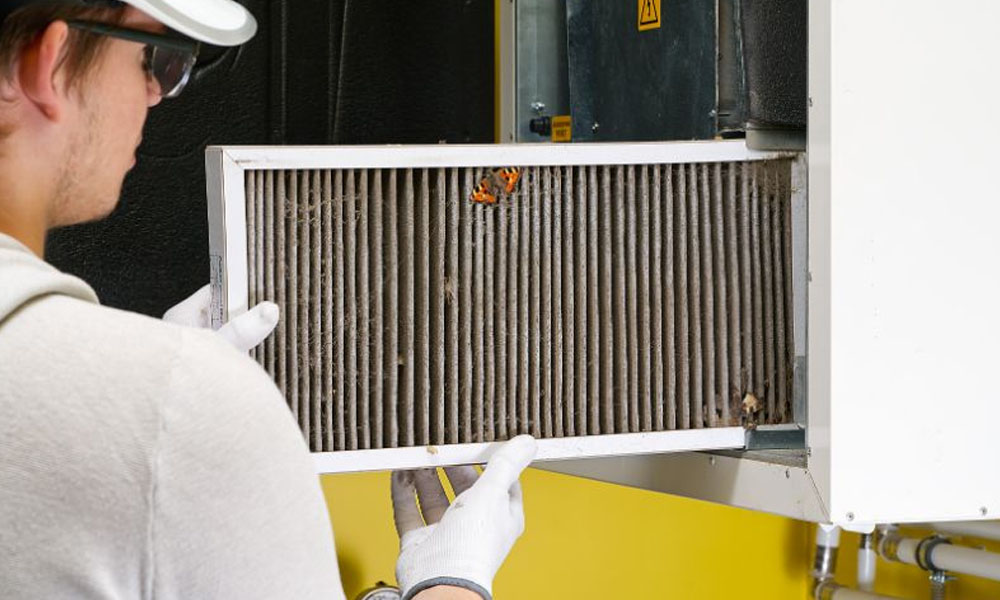
Regular air filter replacement plays a central role in maintaining the efficiency and longevity of heating and cooling systems in homes and commercial spaces. When filters become clogged with dust, debris, and airborne particles, airflow becomes restricted, forcing equipment to work harder than necessary. This added strain increases energy use and raises the likelihood of system breakdowns over time.
Consistent attention to filter condition helps maintain balanced airflow, improves indoor comfort, and supports stable system performance across seasons. Understanding how this simple maintenance step influences repair needs can help property owners avoid unnecessary costs and disruptions in daily comfort overall.
Maintenance and Cost Reduction Insights
1. Airflow Efficiency and System Strain
Air filters serve as the first line of defense in heating and cooling systems by capturing dust, pollen, and other airborne particles before they enter critical components. When these filters remain in place for extended periods without replacement, they gradually accumulate debris that restricts airflow. This restriction forces the system’s blower motor to operate under increased pressure, which can lead to overheating and uneven air distribution throughout the space. Over time, this imbalance contributes to reduced system performance and can shorten the lifespan of internal parts.
Proper airflow is essential for maintaining stable temperatures and ensuring that conditioned air circulates effectively. Without it, rooms may experience inconsistent heating or cooling, leading occupants to adjust thermostats more frequently. These constant adjustments place additional demand on equipment, increasing wear and tear. Maintaining clear airflow through timely filter replacement helps reduce these operational stresses and supports smoother system function across different operating conditions.
2. Filter Clogging and Energy Consumption
Air filters that are not replaced on a regular schedule tend to become heavily clogged with dust, pet dander, and microscopic particles carried through indoor air circulation. As these materials build up, the system requires more energy to pull air through the restricted filter surface. This increased energy demand not only affects utility usage but also places continuous strain on mechanical components such as fans and compressors. Over time, the added workload can lead to inefficiencies that gradually reduce the overall output of the heating and cooling system. In many cases, occupants may notice that rooms take longer to reach desired temperatures, prompting longer operating cycles.
These extended cycles further contribute to wear on internal parts, which may eventually result in more frequent repair needs. Maintaining a consistent replacement schedule helps preserve smoother operation and reduces unnecessary energy consumption throughout seasonal changes. Ultimately, this approach reduces unexpected system interruptions significantly.
3. Maintenance Support and Service Access
Regular maintenance of air filters often plays a central role in determining how efficiently a heating and cooling system performs over time. When airflow remains unobstructed, internal components experience less strain, allowing the system to operate in a more balanced and predictable manner. Technicians who provide AC and heating repair services by Semper Fi Heating and Cooling often emphasize the importance of timely filter replacement when diagnosing recurring system issues. This attention to basic maintenance details can reduce the likelihood of repeated breakdowns that stem from restricted airflow or overheating components. Homeowners who overlook filter condition may find that minor performance issues gradually develop into more complex mechanical concerns requiring extensive repairs.
Consistent monitoring of filter cleanliness supports steady airflow, which in turn helps maintain temperature stability throughout different areas of a building. Over time, this steady performance reduces unnecessary strain on the system and contributes to more predictable maintenance needs.
4. Indoor Air Quality and System Load
Indoor air quality is closely linked to the condition of air filters used in heating and cooling systems. When filters are clean and functioning properly, they help trap airborne particles that would otherwise circulate through living spaces. However, when filters are neglected, these particles accumulate in ducts and internal components, contributing to reduced air quality and system inefficiency. This buildup can force equipment to work harder to maintain airflow, increasing mechanical stress and accelerating component wear. As airflow becomes restricted, temperature regulation may become inconsistent, leading to uneven comfort levels across different rooms. Occupants may also experience increased exposure to airborne irritants, which can affect general comfort within indoor environments.
Over time, the added strain on the system can contribute to more frequent service requirements and reduced equipment reliability. Regular attention to filter condition supports cleaner air circulation and helps maintain stable system performance throughout the year, consistently supporting efficiency.
5. Mechanical Wear and System Longevity
Heating and cooling systems rely on a continuous flow of air to operate efficiently and maintain stable performance over time. When air filters become clogged, the resulting restriction forces internal components to compensate for reduced airflow. This compensation often leads to increased mechanical stress, particularly on motors, fans, and other moving parts. As stress accumulates, parts may begin to degrade at a faster rate, reducing overall system reliability. Frequent strain on these components can also contribute to overheating, which further accelerates wear and potential failure. Over time, this cycle of stress and degradation can lead to more frequent breakdowns and service requirements.
Maintaining clean air filters helps reduce unnecessary pressure on the system and supports smoother mechanical operation. This simple maintenance practice contributes to extending the usable life of equipment and reducing the likelihood of major repair needs. Proper maintenance scheduling helps prevent unexpected system downtime and costly interruptions overall.
6. Operational Consistency Across Seasons
Air filters play a consistent role in supporting system performance across changing weather conditions throughout the year. As temperatures shift between hot and cold seasons, heating and cooling systems must adjust their operation to maintain indoor comfort. Clean filters help ensure that these adjustments occur smoothly by allowing steady airflow through the system. When airflow is restricted, systems may struggle to adapt quickly to changing temperature demands. This can result in uneven heating or cooling, longer operating cycles, and increased energy consumption. Over time, these inefficiencies may contribute to more frequent maintenance needs and reduced system responsiveness.
Maintaining proper airflow through regular filter replacement supports stable operation regardless of seasonal changes. This stability helps reduce strain on components and supports more predictable system behavior throughout the year. Routine filter replacement practices help maintain balanced airflow, reduce strain on equipment, and support long-term operational stability in all seasons consistently overall.
7. Sustained Cost Reduction Through Maintenance
Regular attention to air filter condition plays a significant role in reducing long-term heating and cooling system expenses. When filters are replaced on a consistent schedule, airflow remains steady and internal components operate under less strain. This reduced strain lowers the likelihood of sudden breakdowns that often require costly repairs and emergency service calls. Over time, systems that operate under balanced conditions tend to maintain efficiency for longer periods without major interruptions. This stability also helps preserve the performance of key components, reducing the need for premature replacements.
Homeowners and building managers may notice fewer service visits when proper filter maintenance is consistently observed. In addition, systems that operate efficiently tend to consume less energy, which can contribute to lower utility expenses. Overall, maintaining clean air filters supports a more predictable maintenance pattern and reduces unnecessary financial strain. Ultimately, consistent maintenance decisions help avoid unexpected repair expenses over time.