Key Takeaways
- Frequent chimney maintenance prevents fires and guarantees efficient operation.
- Each season calls for unique chimney care strategies tailored to weather conditions.
- Professional chimney sweeps and annual inspections are vital for long-lasting performance.
Maintaining your chimney year-round is crucial to ensuring safety and optimal fireplace performance. Homeowners can avoid costly repairs and hazards, such as chimney fires, by inspecting their chimneys each season. Understanding how changing weather conditions affect your chimney enables you to address issues early, ensuring your fireplace remains a reliable and safe source of warmth. For those who may need repairs or have unresolved issues, explore https://southernchimneys.com/chimney-repair/ for specialized help. Implementing a seasonal chimney maintenance plan not only keeps your home safe but also improves fireplace efficiency and extends the life of your chimney. Each season comes with its own set of challenges and necessary tasks. From winter’s freeze-thaw cycles that may damage masonry to summer’s ideal repair conditions, being proactive with chimney care can make a significant impact on your home’s safety and comfort. Getting ahead of potential issues will help prevent unexpected repairs and allow you to enjoy your fireplace year after year. Chimney maintenance is an ongoing process that pays dividends in peace of mind and reduced risk of fire or carbon monoxide exposure.
Spring: Post-Winter Inspection and Cleaning
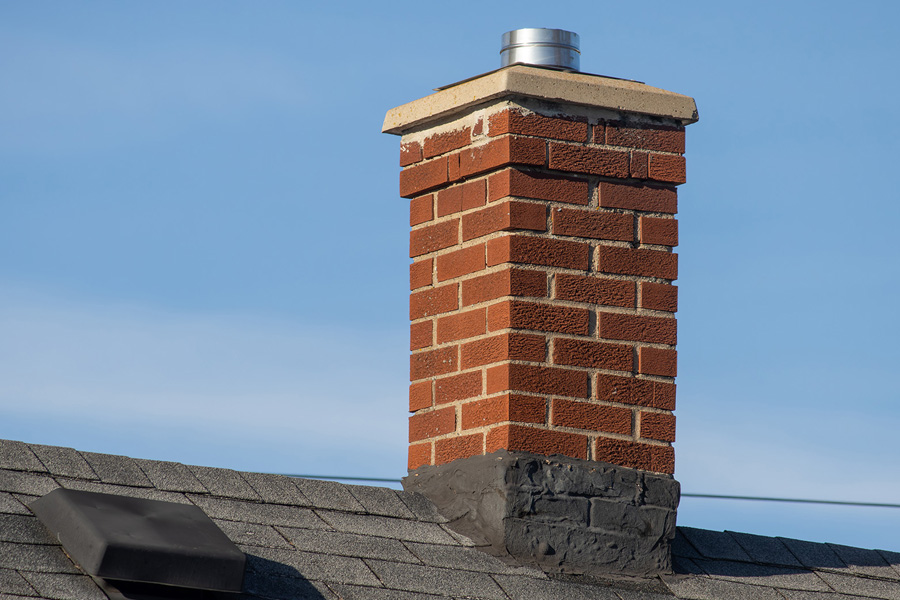
After a full heating season, spring is the ideal time for a close chimney inspection. The cold months often cause masonry to expand and contract, leading to cracks or leaks. This can leave your chimney vulnerable to moisture, which can lead to long-term structural issues. Begin by visually inspecting the chimney for visible signs of damage, especially in the crown and brickwork.
- Inspecting for Damage: Watch for deteriorating mortar, cracked bricks, and any signs of rust on the chimney cap. Smaller issues quickly become major problems if left unattended, so address them promptly.
- Flue Cleaning: Remove soot and creosote accumulation to reduce the risk of chimney fires. While it’s possible to attempt a DIY approach, a certified chimney sweep ensures a thorough, safe cleaning.
Summer: Prime Season for Chimney Repairs
With heating systems idle and warm weather providing stable conditions, summer is the best time to handle all necessary chimney repairs. Moisture can exacerbate existing cracks and mortar gaps, so any problems identified in the spring should be tackled now.
- Masonry Repairs: Fix any issues in the mortar joints or replace cracked bricks to reinforce the overall structure.
- Chimney Cap Maintenance: Ensure your chimney cap is intact and tending to any corrosion. Proper caps keep birds, debris, and rain out of your flue system.
Completing these repairs during the summer will prepare your chimney for the demands of the colder months ahead and minimize potential downtime or interruptions.
Fall: Ready Your Chimney for Heating Season
As temperatures drop and you prepare to use your fireplace more often, a comprehensive chimney inspection is essential. Removing blockages, ensuring the damper operates smoothly, and clearing any remaining creosote are important for efficient, safe use during the heating season.
- Professional Cleaning and Inspection: Schedule a visit from a certified chimney sweep to remove debris and assess the system’s readiness.
- Damper Testing: Confirm that your damper opens and closes with ease, allowing you to control draft and retain heat efficiently.
Addressing these fall maintenance tasks ensures that you are prepared for routine use during the winter months.
Winter: Safe and Responsible Fireplace Use
In winter, fireplaces are most used, which means vigilance is key. Burning only seasoned wood minimizes creosote buildup and maintains optimal chimney airflow. Be attentive to operational signs, as any smoke entering your home or foul odors could indicate a blockage or a ventilation issue.
- Choose Proper Fuel: Burn dry, seasoned hardwood to reduce deposits and maximize heat. Wet wood results in more smoke and additional creosote buildup.
- Stay Vigilant: If you notice smoke backing into the room or detect odd scents, discontinue use immediately and seek professional assistance to diagnose the problem.
General Year-Round Chimney Maintenance Tips
- Install Carbon Monoxide Detectors: Place devices close to the fireplace and near bedrooms to receive prompt warnings about unsafe gases.
- Maintain a Safe Zone: Clear away any furniture, decorations, or drapes from the fireplace area to reduce fire hazards.
- Remove Ashes Regularly: Clean excess ash from the firebox to keep airflow unrestricted and minimize fire risk. Proper ash disposal is a simple but impactful task.
Adding these habits to your routine improves safety and extends the life of your fireplace and chimney system.
When to Contact a Chimney Professional
While homeowners can handle basic upkeep, some circumstances call for professional expertise, such as annual inspections, recent severe weather, or long periods of chimney inactivity. Certified chimney sweeps have the training and specialized tools needed to identify developing structural issues, hidden blockages, ventilation problems, and dangerous creosote buildup that may not be visible to the naked eye. Professional inspections can also reveal cracks, leaks, damaged liners, or other concerns that could compromise your chimney’s safety and performance. Scheduling timely maintenance allows minor problems to be addressed before they become expensive repairs or serious hazards. Whether you use your fireplace frequently during colder months or only occasionally, expert care ensures your chimney remains clean, efficient, and ready for safe operation whenever you need it. Regular professional service provides confidence that your home and family are protected year-round. According to the National Fire Protection Association, heating equipment is a leading cause of home fire deaths each year. Therefore, routine inspection and maintenance are more than just recommendations; they are vital to home safety.
Conclusion
By keeping up with your chimney’s seasonal and annual maintenance needs, you not only extend the lifespan of your chimney and fireplace system but also improve its
efficiency and help protect your family and home from potential fire hazards and harmful smoke buildup. Simple tasks like monitoring for visible damage, keeping the chimney cap clear, and scheduling regular cleanings can prevent costly repairs down the road. Combining routine homeowner maintenance with periodic inspections and cleanings performed by a qualified chimney professional ensures that potential issues are identified early before they become major problems. Taking a proactive approach to chimney care provides greater peace of mind, improves indoor air quality, and lets you enjoy the warmth, comfort, and ambiance of your fireplace safely throughout every season.