A double-sink vanity can make a bathroom feel more practical, especially in shared spaces where two people may need the sinks at the same busy time of day. Even so, the extra convenience can fade quickly when one sink drains slowly, water backs up in the other basin, or odors begin to form beneath the vanity. These issues often come from hidden drainage problems rather than from the sinks themselves. A plumber helps improve drain performance by looking at how the two sinks are connected, how water moves through the shared line, and where restrictions may be affecting daily use and long-term plumbing reliability.
What Affects Twin Sink Drainage
Shared Drain Lines Need Careful Evaluation
One of the main ways a plumber helps improve drain performance in a double-sink vanity is by checking how the two sinks share the same drainage path. Even though the vanity has two separate basins, both often depend on one main drain line farther down the system. If the pipe layout is too tight, poorly sloped, partially clogged, or awkwardly fitted, water may not move away as smoothly as it should. This can lead to slow draining, gurgling sounds, standing water, or the odd experience of one sink reacting when the other is used. Homeowners who call Plumbers in Martin, TN, may need help when their double vanity feels more inconvenient than useful because the drainage never seems balanced. A plumber can review how the branch lines meet, whether the fittings are installed correctly, and whether the shared waste line can handle steady daily use. This matters because two sinks can place different demands on the system than one sink alone, especially in a busy bathroom. Early review helps prevent minor performance issues from turning into repeated clogs or water backup that affects both basins at once.
Trap and Vent Problems Can Slow Everything Down
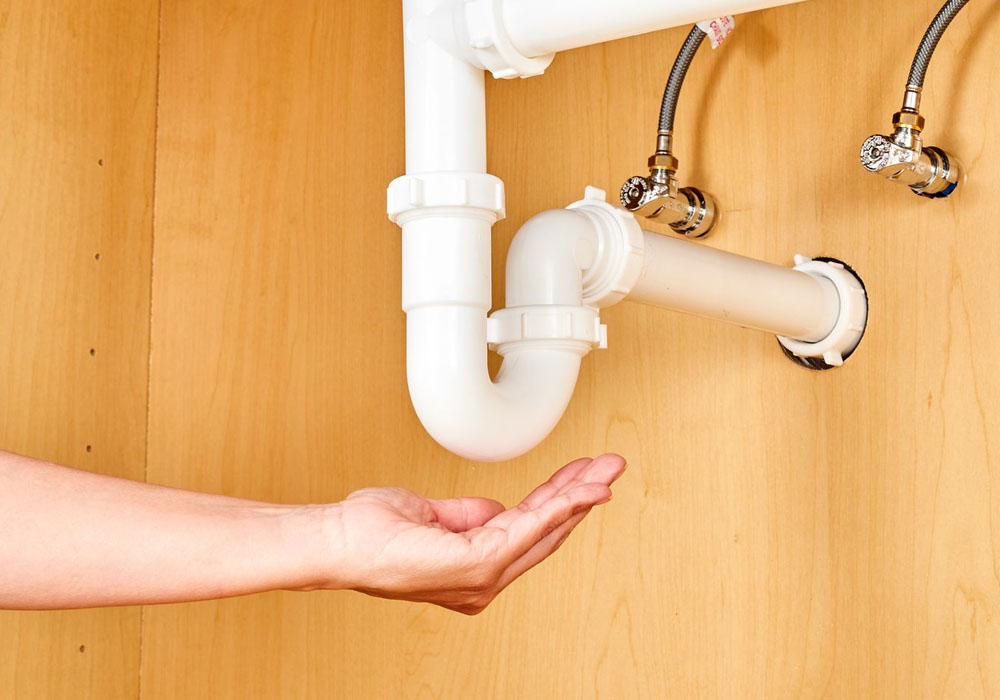
A double-sink vanity drains more effectively when the trap setup and venting are working together correctly. If either side of the vanity has an improper trap arrangement or the venting is weak, water may struggle to flow freely through the piping system. Instead of draining with a smooth pull, the sinks may empty slowly, make bubbling noises, or leave behind foul odors that rise through the drain. A plumber helps by checking whether the trap shape, connections, and vent support match the needs of a shared vanity arrangement. This step is important because poor venting can create pressure issues that affect both sinks, even when the visible clog appears on only one side. A homeowner may think one basin simply needs cleaning, when the actual problem is that the drainage system is not breathing properly behind the wall or below the cabinet. By reviewing vent performance and trap condition together, a plumber can restore a smoother, more dependable draining pattern. That makes the vanity easier to use during busy mornings and helps reduce the frustration of lingering water or odors in a space that should feel clean and practical.
Buildup Often Forms Faster Than Homeowners Expect
Drain performance in double-sink vanities can decline because everyday buildup gradually builds up inside the pipes. Toothpaste, soap residue, shaving debris, hair, skin products, and mineral deposits from water can all collect over time, narrowing the drain pathway. Since two sinks may feed into the same line, that accumulation can happen faster than many people expect. A plumber helps by determining whether the slow drainage is due to a blockage near one sink, deeper in the shared line, or farther along the bathroom drain branch. This matters because cleaning the visible stopper or running a simple store-bought product into the drain may not reach the real restriction. If the buildup sits in the common section where both sinks connect, the performance problem can keep returning until the line is properly cleared. A plumber can remove the blockage more thoroughly and inspect whether the pipe condition encourages repeated accumulation. That fuller approach supports better drainage and helps keep the vanity functioning as it should, rather than becoming a recurring maintenance issue every few weeks or months.
Drain Slope and Pipe Layout Affect Daily Performance
Even with clean pipes, a double-sink vanity may still drain poorly if the pipe layout does not support good water movement. Drain lines need the right slope so wastewater can travel away efficiently without leaving residue behind. If the horizontal section beneath the vanity is too flat, too steep, too long, or filled with unnecessary turns, the sinks may be more likely to drain slowly or develop recurring stoppages. A plumber improves performance by examining the actual layout rather than assuming the issue is only due to debris. In some bathrooms, especially during remodeling or vanity replacements, the plumbing beneath the cabinet may have been adjusted to fit the furniture rather than designed for long-term flow. That can leave the drains working, but not working well. A plumber can identify whether the fittings, alignment, and slope are helping or hurting the system. This type of correction matters because a well-designed double-sink drain should clear water smoothly during normal daily use without one basin becoming the weak point. When the layout is right, the vanity feels easier to maintain and much more reliable over time.
A Properly Working Vanity Supports Everyday Comfort
A plumber helps improve drain performance in double-sink vanities by identifying shared-line issues, correcting trap and vent concerns, clearing buildup, and assessing whether the pipe layout supports smooth water flow. These steps matter because two-sink vanities depend on balanced drainage to stay practical, clean, and easy to use. When one part of the system is restricted or poorly arranged, both basins can be affected in ways that frustrate daily routines. A stronger plumbing setup helps water move out efficiently, reduces odors and backups, and keeps a shared bathroom working as intended. Good drain performance makes the whole vanity more useful.