Most plumbing problems do not begin dramatically. They stay quiet for a while, which is probably why homeowners ignore them longer than they should. Then one morning, the water pressure drops suddenly, or a pipe starts leaking hard enough to damage flooring that was perfectly fine the night before.
In Metro Atlanta, older homes create another layer of plumbing trouble because many properties still rely on aging pipes, outdated connections, and systems that were never built for modern water use. Tree roots shift underground lines slowly over time, older water heaters work harder than they should, and hidden leaks stay unnoticed inside walls for months. Homeowners often adapt to these small issues without realizing the plumbing system itself has been under stress for years already.
Small Plumbing Problems Rarely Stay Small
A lot of homeowners wait until water becomes visible before taking plumbing issues seriously. The trouble is that plumbing systems usually show warning signs early, just not in obvious ways. Water pressure changes slightly. Drains become slower month by month. Faucets start making noises, and people learn to ignore them after a while.
The problem is that plumbing systems are connected. A clog in one area can create pressure somewhere else. A small leak under a sink may slowly damage cabinets, flooring, or drywall long before anyone notices visible staining. Water has a way of spreading quietly through places homeowners rarely check. People also get used to plumbing quirks over time. The house starts training people to work around the problem instead of fixing it.
A lot of plumbing issues get ignored because homeowners assume the repair will automatically become expensive or disruptive. Meanwhile, the plumbing system keeps working under strain. By the time signs become obvious, the issue has usually worsened. At this point, only a professional Metro Atlanta plumber can help. Experts know exactly where to look and for what. They do not just solve the visible problems, but solve them at the root.
Slow Drains Usually Mean More Than Surface Buildup
People treat slow drains like minor annoyances because the water still eventually disappears. They pour store-bought drain cleaner down the pipe, wait a few minutes, and assume the problem is handled. Sometimes that helps briefly. Sometimes it hides a larger blockage growing deeper inside the system.
Kitchen drains deal with grease, soap residue, and food waste constantly. Bathroom drains collect hair and product buildup over time. Once material starts sticking inside pipes, water flow weakens gradually until the blockage becomes difficult to ignore.
Chemical drain cleaners create another issue that people rarely think about carefully. Strong chemicals can damage older pipes if used repeatedly, especially in homes with aging plumbing systems. The clog may loosen temporarily while the pipe itself slowly weakens underneath. A drain that keeps slowing down repeatedly usually points to a larger issue somewhere deeper in the line. The problem is that homeowners often keep treating symptoms instead of checking the cause.
Water Heaters Give Warnings Before Failure
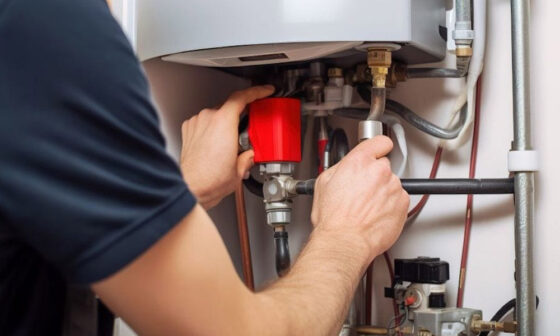
Water heaters almost never fail without warning signs first. The signs are just easy to dismiss because they develop gradually. Hot water runs out faster than before. Rust-colored water appears briefly from faucets. Strange popping sounds come from the tank after heating cycles.
Sediment buildup inside the tank creates many of these problems. Minerals settle at the bottom over time, especially in areas with harder water. The heater works harder trying to push heat through that buildup. Efficiency drops. Utility costs rise slowly enough that many homeowners never connect the change back to the water heater itself.
Leaks around the base of the tank are another warning that people ignore for too long. Small moisture spots often get blamed on condensation or minor spills nearby. Meanwhile, internal corrosion may already be spreading through the tank. Water heaters usually break at inconvenient times, too. Holidays, weekends, late evenings. That part feels almost predictable after enough years of dealing with household repairs.
Hidden Leaks Cause Quiet Structural Damage
One reason plumbing problems become expensive is that water damage spreads silently. A pipe leaking behind a wall may continue for months before visible signs appear inside the room itself. By then, insulation, drywall, flooring, and wood framing may already be affected. Homeowners sometimes notice subtle clues first without realizing what they mean. Paint begins peeling near a ceiling corner. Flooring feels slightly soft in one spot. A musty smell appears after heavy water use. These signs seem disconnected at first.
Water meters can sometimes reveal hidden leaks before visible damage develops. If the meter keeps moving while no water is running inside the house, something may already be leaking somewhere in the system. There is also the mold issue. Moisture trapped inside dark enclosed spaces creates conditions where mold spreads quietly without much airflow. People often discover it much later during renovations or larger plumbing repairs.
Toilets and Faucets Waste More Water Than People Realize
Running toilets waste surprising amounts of water because the problem continues constantly instead of all at once. A weak flapper valve or worn internal seal allows water to keep cycling through the tank quietly throughout the day and night.
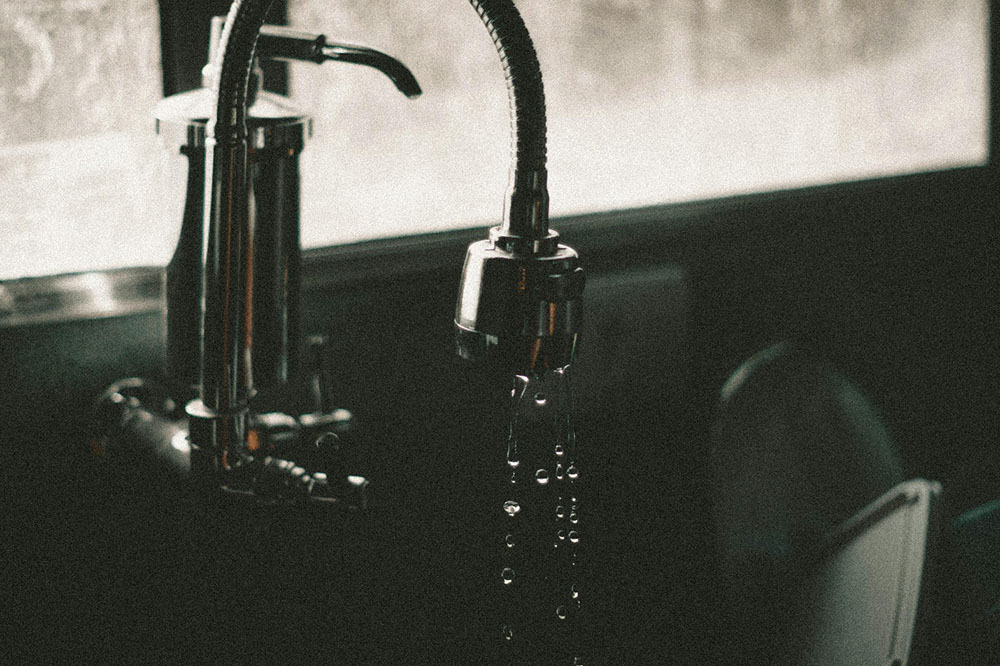
Dripping faucets create similar waste over time. One drip feels insignificant. Thousands of drips every week become a different story. Water bills rise slowly enough that homeowners often blame seasonal utility increases instead of plumbing inefficiencies inside the house.
Fixtures also wear down unevenly. Hard water buildup affects moving parts inside faucets and showerheads. Rubber seals weaken gradually. Small leaks start forming around handles or pipe connections. Most homeowners ignore these issues because the fixtures technically still work. That thinking usually changes once a leak suddenly worsens or water pressure drops enough to interfere with daily routines.
Plumbing Problems Usually Build Up Through Delay
Most serious plumbing repairs start with something people decided to ignore for another month. A drain slows down a little more each week, a pipe under the sink drips occasionally, or the water heater starts acting inconsistently during colder weather. None of it feels urgent right away, which is usually why the problem keeps getting postponed.
The difficult part is that plumbing stays hidden behind walls and underneath floors, where nobody really looks unless something goes wrong. Leaks spread quietly. Moisture builds slowly. Pipes keep wearing down out of sight. Most systems give warnings early, but homeowners often adapt to the inconvenience before they recognize the actual problem underneath it.