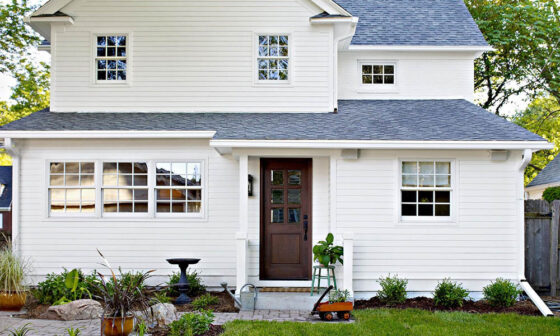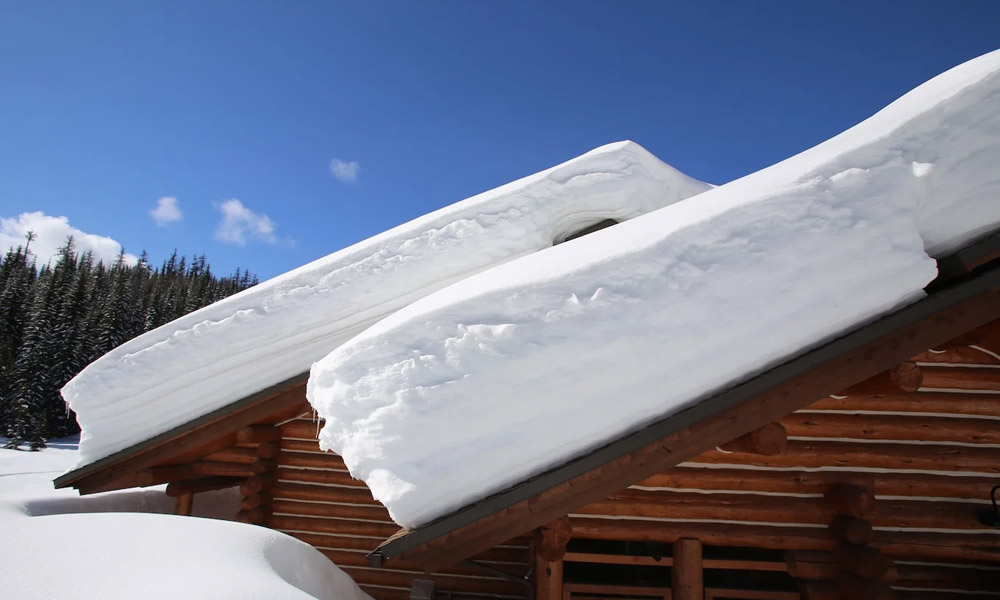
A strong house needs a roof that can face cold months, sharp gusts, and quick weather shifts each season. Steel has become a trusted choice for many homeowners because it brings strength, clean style, and steady performance together. It also suits families who want a lasting exterior upgrade that can improve comfort, curb appeal, and long-term value.
Winter can place real pressure on any property, especially when snow builds up and wind moves across open spaces. A well-planned steel system manages those forces through smart panel design, firm fastening, and proper slope. This article explains how steel roofing responds to snow load, wind exposure, installation needs, and long-term care for local homes.
Strong Panels Carry Winter Weight
Steel panels have a high strength-to-weight ratio, which means they can handle tough weather without adding heavy stress to the home frame. When a Moline metal roofing contractor installs the system correctly, the panels work with the deck, underlayment, trim, and fasteners as one solid surface. This balanced setup helps spread snow weight more evenly instead of allowing pressure to gather in weak spots.
A smooth steel surface also helps snow move when the roof pitch and weather conditions allow it. As sunlight warms the panels, packed snow may release more easily than it would on rougher materials. Because of this, the home gains better support during long winter stretches while keeping a neat exterior look.
Why Moline Homes Need Wind-Ready Roof Design
Wind does more than push against a house. It can lift at edges, pull at corners, and test every joint during a storm. Steel roofing handles that challenge through interlocked seams, secure trim, and fasteners placed with care.
A tight panel layout reduces gaps where air can enter and create uplift pressure. Standing-seam styles hide many fasteners beneath raised ribs, which protect key connection points. Exposed-fastener systems can also perform well when trained roofers place each screw at the right depth.
Snow Shedding Starts With Proper Planning
Steel does not manage snow by material strength alone. The total design must match the house shape, slope, attic space, and water path. A professional crew studies these details before work begins, so the finished system can respond well when winter weather arrives.
Key planning points may include:
- Panel style that suits the home’s pitch and structure
- Underlayment that adds a protective layer below the metal
- Flashing details around chimneys, vents, and sidewalls
- Ventilation that helps control attic heat and moisture
- Gutter placement that supports safe drainage during thaw cycles
These features work together to limit ice buildup and support steady runoff.
Professional Installation Protects Long-Term Performance
A steel roof performs best when skilled installers measure, cut, align, and fasten every part with precision. Even strong panels need proper support beneath them. Deck condition, ventilation, flashing, and edge treatment all affect how the system reacts to heavy snow and strong wind.
Homeowners gain better results when they choose a Moline metal roofing contractor who understands local homes, roof shapes, and seasonal stress. A trained crew can recommend the right profile, inspect the structure, and install panels in a way that supports long service life. This professional approach also helps the system maintain curb appeal while protecting the interior from weather-related issues.
Steel roofing gives homeowners in Moline a strong, practical way to protect their homes from snow weight and wind exposure. Its firm panels, smooth surface, and secure installation help manage winter pressure while keeping the roof stable during strong gusts. When experts install the full system with proper planning, each part supports lasting performance. For local families, steel roofing can add value, comfort, and peace of mind through changing seasons.