Leaking basement walls can damage stored items and compromise the stability of nearby structural materials. When moisture enters through cracks in the wall, certain repair strategies help control water intrusion before problems spread. Here are a few strategies to fix leaking basement walls in your home:
Trace Interior Leak Patterns
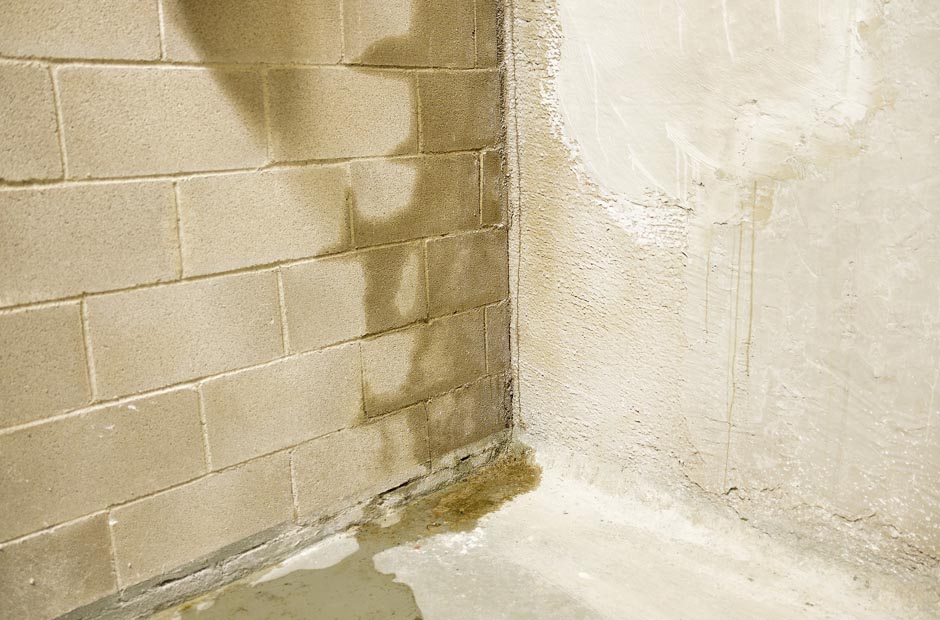
Interior seepage patterns may appear near the lower part of a basement wall. This moisture pattern helps distinguish perimeter seepage at the wall-floor joint from isolated stains higher on the wall or around cracks. After moderate rainfall, repeated seepage in the same area indicates a consistent pattern of water entry. Seepage near the wall-floor joint may require interior drainage repair, and stains around cracks point to targeted crack sealing. Exterior walls made of concrete block or brick may also have a white, powdery coating known as efflorescence. That residue collects near the slab edge, and its location helps trace the paths of leaking water.
Diagnose Exterior Wall Saturation
Leak inspection starts with locating water tracks across the foundation. Stain lines can help trace entry points, as heavy marks indicate where moisture started. Leak patterns that appear higher on the wall rather than near the slab seam indicate exterior soil pressure as the water source.
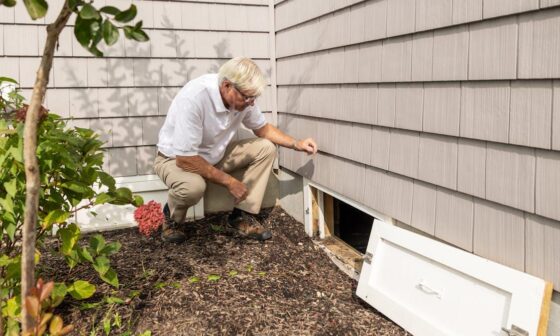
Surface drainage patterns around the foundation also help explain exterior wall saturation. When downspouts discharge water near the wall, the soil absorbs the runoff and retains moisture against the foundation. Poor grading around your home directs water toward the basement, and clogged exterior drains can increase pressure against the wall. Walls become more susceptible to leaks when rains saturate surrounding soil for days, creating hydrostatic pressure. Exterior waterproofing reduces moisture intrusion at the foundation, and drainage corrections can divert runoff away from the basement wall.
Redirect Groundwater to Sump
Active moisture removal systems help control rising groundwater when wall-surface treatments no longer fix leaking basement walls or prevent water accumulation in the basement. Standing water during storms may pool on the floor rather than seep along the walls. Water collection at the room’s lowest point helps identify when changes in floor elevation alter migration patterns, marking the shift from surface dampness to active accumulation. By discharging water before it pools on the floor, this collection-and-removal solution limits recurring flooding.
Repair Structural Wall Cracks
Basement wall cracks usually form along masonry joints, poured concrete sections, or areas where the wall has shifted under pressure. Wider cracks allow more water to enter the basement and indicate movement in the foundation wall. When a crack follows a stair-step, horizontal, or widening pattern, it signals pressure from saturated soil outside the basement. Crack repair helps close direct water paths, and structural reinforcement may be needed when the wall shows bowing or movement.
Add Interior Moisture Barriers
Interior moisture barriers create a layer that separates repaired wall surfaces from the basement air inside the home. As homeowners dehumidify, condensation beading on cold pipes or foil surfaces near repaired walls may recede. Dry interior basement surfaces help confirm that water intrusion through foundation wall leaks has stopped, and moisture barriers help protect repaired areas from residual dampness.
A moisture barrier can be added after the leak source has been repaired. If the wall still leaks groundwater, trapped moisture will remain behind the barrier, creating hidden damp areas. Dehumidification controls indoor moisture, and the barrier helps protect finished surfaces from residual dampness.
Fix Leaking Basement Walls Today
Preventing moisture build-up in your home can help fix leaking walls and foundational issues that affects your home’s safety. Controlled basement humidity levels also help protect your property from mold, odors, and potential damage. Contact a basement repair specialist to fix leaking basement walls and protect your home from recurring water intrusion.