Owning a home brings a quiet kind of pride, but it also brings a long list of moving parts that quietly wear down over time. Most major household disasters do not arrive without warning. They build slowly through small leaks, neglected filters, loose fittings, and ignored sounds that homeowners brush off until the damage becomes impossible to overlook. By the time an emergency forces attention, the bill is already climbing, and the stress is well underway. Building a steady rhythm of small maintenance habits is what separates a calm household from one constantly putting out fires.
Caring for Your Lawn
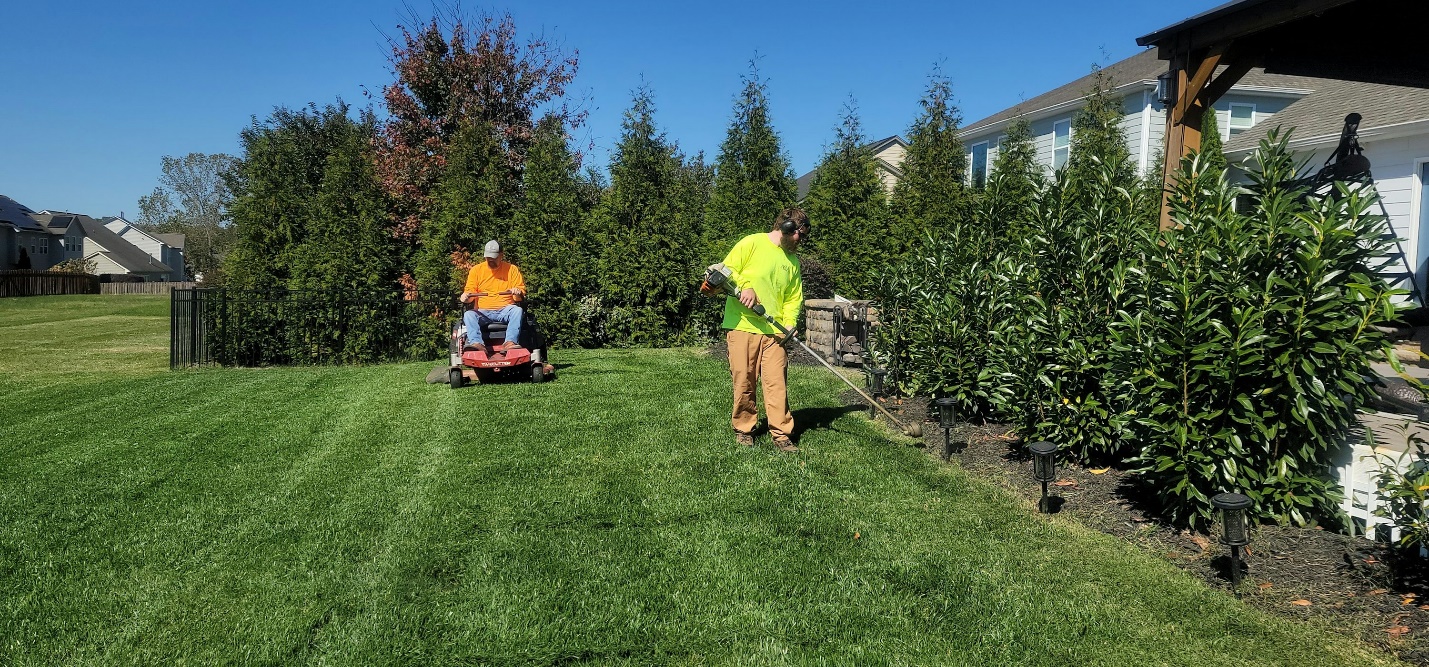
A healthy lawn depends on far more than mowing and the occasional bag of fertilizer. Soil compaction, drainage problems, and uneven watering can quietly damage grass, plants, and even the foundation around the home if water pools where it should not. Walking the lawn once a week with a careful eye helps catch shifting soil, soft patches, and dying spots before they turn into bigger problems. Aerating the lawn during the right season also helps roots breathe, and water reach where it needs to go.
The sprinkler system is something homeowners tend to forget until something goes wrong. A clogged head, a cracked line, or a stuck valve can flood a section of grass while leaving another part bone dry, and the longer the issue runs, the higher the water bill climbs. Routine inspection of every zone, every nozzle, and every spray pattern is the only way to spot trouble early before a small fault turns into a soaked lawn and a damaged system.
However, some faults sit beyond what a homeowner can safely diagnose, which is when trained professionals are needed to assess the situation. Look up emergency sprinkler repair near me for more information.
Watching the Plumbing Behind the Walls
Plumbing problems rarely announce themselves loudly. A pinhole leak under the sink, a slow drip behind a toilet, or a sweating pipe in the basement can quietly soak drywall and wood for weeks before the staining shows. By that point, mold is often already growing, and the repair stretches well beyond the original pipe. A simple monthly walk through the house with a flashlight, checking under every sink and around every fixture, takes only minutes and catches most issues while they are still small.
Drains deserve the same attention. Slow drainage in a sink or tub almost always points to a developing clog, and that clog will eventually back up at the worst possible moment. Flushing drains with hot water and a non-corrosive cleaner once a month keeps lines flowing freely. The main shutoff valve also needs a quiet test now and then to make sure it actually turns when needed, because discovering a frozen valve during a burst pipe is a nightmare no homeowner wants.
Keeping the HVAC System Breathing Easy
Heating and cooling equipment works hardest when it is dirty. A clogged filter forces the blower to strain, drives up energy use, and shortens the life of the entire system. Replacing filters on a steady schedule is one of the cheapest, easiest habits a homeowner can build, and it pays back many times over in fewer breakdowns and lower bills. Outdoor units also need a clear perimeter, free of leaves, grass clippings, and debris that block airflow.
Listening to the system matters as much as looking at it. Strange clicks, rattles, or short cycling are early warnings that something inside is wearing out. Catching these sounds early gives a technician time to make a small repair instead of replacing a major component during a heatwave or cold snap. An annual professional tune-up rounds out the routine and keeps the system honest. Vents and registers around the house also deserve a quick wipe every few weeks to keep dust from circulating back into the air. Sealing small gaps around windows and doors lightens the load on the system even further, since cooled or heated air stays where it belongs instead of slipping outside.
Protecting the Roof and Gutters
The roof takes more abuse than any other part of the house, yet it gets the least attention. Loose shingles, lifted flashing, and small punctures from fallen branches all create entry points for water, and water inside a roof is one of the most expensive problems a homeowner can face. A visual inspection from the ground twice a year, paired with a closer look after major storms, catches most issues before they reach the attic.
Gutters carry the second half of that responsibility. Clogged gutters push water back under shingles and down the side of the house, where it pools against the foundation. Cleaning them at least twice a year, and adding guards if leaves are a constant problem, keeps water moving where it should. A few minutes on a ladder beats tearing out soaked drywall later.
Testing Safety Devices Without Fail
Smoke alarms, carbon monoxide detectors, and fire extinguishers all share one thing in common. They sit silent for years and then need to work perfectly the moment something goes wrong. Testing them monthly, swapping batteries on a fixed schedule, and replacing units past their service life takes almost no effort. Many tragedies trace back to a battery removed years earlier and never replaced. A small reminder on the calendar removes that risk entirely.
Paying Attention to the Electrical System
Outlets that feel warm, breakers that trip often, and lights that flicker without reason are all whispers from the electrical system asking for help. Ignoring them invites bigger trouble, sometimes including fire. Walking the house with a hand on the outlets and a watchful eye on the breaker panel takes only a few minutes a month. Anything unusual deserves a licensed electrician, not a wait-and-see approach.
Building these habits into a steady monthly and seasonal rhythm turns the home from a source of surprises into something predictable. Most emergencies are simply small problems given enough time to grow, and a homeowner who looks closely, listens carefully, and acts early almost never faces the worst of them.