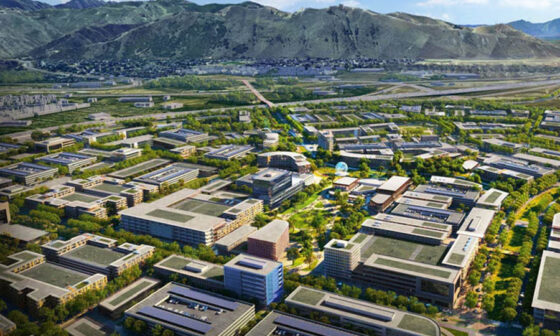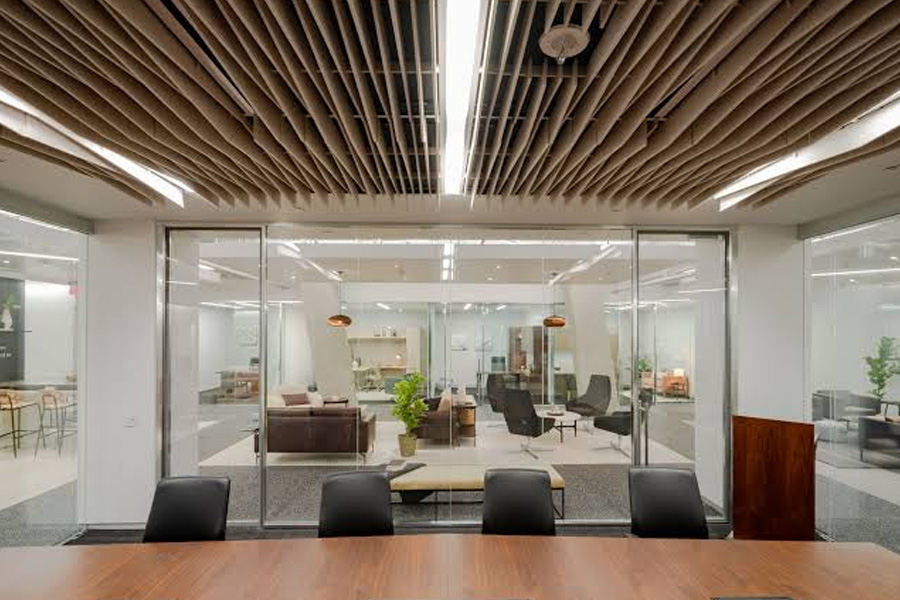
In today’s rapidly evolving work environment, the design of office spaces has never been more important. Companies large and small are recognizing how thoughtful office design can make a tangible difference in staff productivity and the ability to collaborate seamlessly as teams. Investing in adaptable, healthy workplaces creates meaningful environments that empower people to do their best work. As part of this evolution, organizations pursuing office building construction near Salt Lake City, UT, are often embracing innovative concepts to stay ahead of the curve. From flexible layouts that foster connection to tech-forward systems that accommodate remote and hybrid work, companies are guided by both necessity and employee expectations. Moreover, as wellness, personalization, and sustainability gain traction, the workplace is evolving into a dynamic hub that meets diverse needs.
Flexible Layouts and Modular Design
Traditional cubicles and rigid office layouts are quickly fading as companies recognize the benefits of flexibility. Modular furniture, movable partitions, and adaptable communal zones are essential features that allow offices to adapt to daily demands. This agility lets organizations optimize floor space for independent work, small-team huddles, or large all-hands gatherings. Not only does a flexible layout reduce long-term costs, but it also future-proofs office real estate as business and employee needs continue to evolve.
Biophilic Design and Wellness
The science is clear: bringing nature indoors markedly improves mental well-being and productivity. Biophilic office design means maximizing access to sunlight, incorporating greenery, and using natural materials like wood and stone throughout the space. Employees benefit from allergen-filtering plants, calming water features, and abundant outdoor views. In tandem, wellness-focused amenities such as ergonomic chairs, adjustable desks, and relaxation rooms for meditation or stretching are quickly becoming standard in leading workplaces. Biophilic principles foster a culture in which employees feel valued and supported in both their bodies and minds.
Technology Integration
High-performing offices today are seamlessly connected with smart technologies. Automated lighting, HVAC systems that track air quality, and occupancy sensors contribute to comfort while reducing energy consumption. Conference rooms are outfitted with high-quality video and audio solutions, making hybrid meetings with remote teammates smoother and more interactive. Desk booking apps, digital wayfinding, and wireless charging stations make it easier for staff to navigate and use the space efficiently. Technology not only improves workflow but also supports ongoing adaptability in the rapidly changing world of work.
Collaborative Spaces
Fostering collaboration is central to modern office design. Open floor plans, inviting lounges, and versatile meeting spaces allow employees to gather, brainstorm, and innovate effectively. Rather than rigid, formal meeting rooms, organizations are carving out zones such as project pods, whiteboard walls, and informal lounges to facilitate both spontaneous conversations and structured teamwork. These intentionally designed spaces foster a stronger company culture and offer the flexibility needed for a range of interactions, from small groups working on sensitive projects to larger company-wide meetings.
Sustainability and Eco-Friendly Materials
Workplace sustainability is gaining ground as employees and clients place greater value on responsible business practices. Offices are incorporating recycled materials, low-VOC finishes, and energy-efficient fixtures to minimize environmental impact. Many projects now seek certifications such as LEED or WELL, which verify green building methods and healthy indoor environments. Daylight harvesting, solar panels, and rainwater reclamation systems are becoming mainstream features of eco-conscious office buildings. Sustainable design not only appeals to eco-minded workers but also reduces operating costs and supports organizational social responsibility goals.
Personalized Workspaces
Allowing employees to tailor their work environment improves engagement and satisfaction. Simple actions like choosing a preferred desk, adding personal decorations, or adjusting lighting can significantly improve motivation and productivity. Modular furnishings and zones with different levels of noise and privacy further empower individuals to select settings that best support their work style. By prioritizing personalization, organizations signal respect for employees’ individuality, boosting morale and retention.
Acoustic Considerations
One of the main challenges of open office planning is managing noise. Without thoughtful acoustic control, distractions from conversations, ringing phones, or nearby collaboration can quickly diminish productivity. Modern designs incorporate sound-absorbing panels, carpets, and acoustic ceiling tiles to dampen noise. Designated quiet zones and enclosed meeting pods ensure everyone has access to a setting that supports focused work or relaxed collaboration, as needed.
Conclusion
The most successful modern offices are those that prioritize flexibility, wellness, collaboration, and sustainability. By integrating adaptable layouts, wellness features, smart technologies, and spaces that invite creativity and connection, organizations are well-equipped to meet their employees’ needs and respond nimbly to changing work models. Investing in innovative, human-centered design can create a high-performance workplace where staff feel valued and inspired to excel. Beyond improving productivity, thoughtful office design can strengthen company culture, encourage communication, and support employee satisfaction. As businesses continue to evolve, creating environments that balance functionality, comfort, and technology will become increasingly important. A well-designed workplace not only enhances daily operations but also helps attract and retain talented professionals while preparing organizations for long-term success in a changing business landscape.