Modern housing needs are changing as families grow, work patterns shift, and property use becomes more dynamic. Many homeowners are no longer satisfied with static layouts that serve only one purpose for decades without adjustment. Instead, there is a growing interest in adaptable spaces that can evolve alongside lifestyle changes. This is where accessory dwelling units play an important role, offering a way to expand living areas without altering the core structure of a home. With thoughtful planning and design, these additional units open possibilities for housing relatives, generating income, or creating private workspaces. The concept of flexibility is now central to how homes are designed for long-term comfort and practicality.
Flexible ADU Living Insights
1. Planning Foundations for Long-Term ADU Design
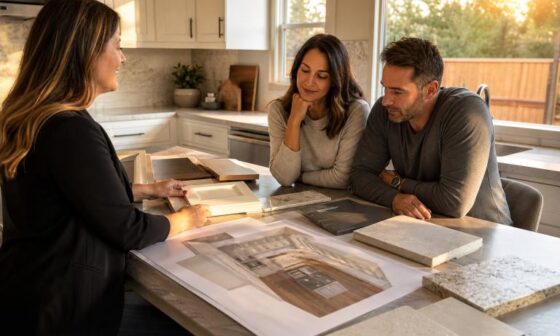
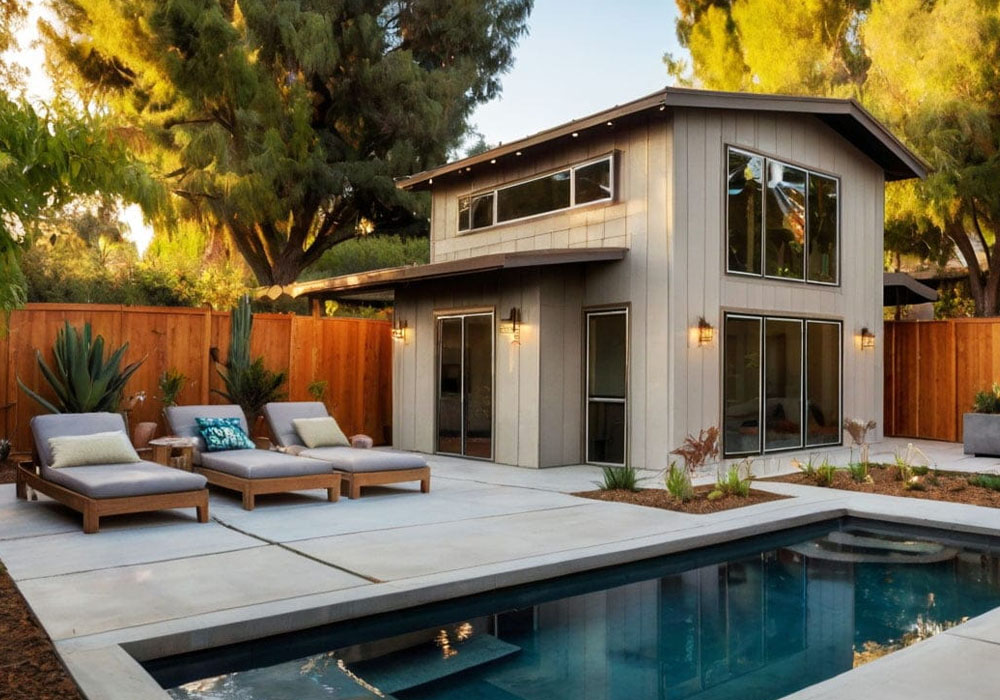
Careful planning forms the backbone of any accessory dwelling unit project, especially when the goal is long-term adaptability. A residential ADU is not simply an extra structure placed on a property; it is a carefully considered extension of living space that must integrate with the existing home and land. Decisions about placement, size, access points, and layout all influence how useful the space will be over time. A well-thought-out design considers future needs, such as aging family members, adult children returning home, or shifting work arrangements that require a private office.
The planning stage also accounts for local regulations, utility connections, and environmental factors like sunlight and airflow. By anticipating these conditions early, homeowners are better positioned to avoid costly changes later. Thoughtful preparation ensures that the additional living space remains functional, comfortable, and adaptable for many years rather than serving a single fixed purpose.
2. Navigating Construction and Regulatory Requirements
Building an accessory dwelling unit involves more than physical construction; it must also comply with zoning laws, building codes, and municipal requirements. A residential ADU builder helps translate these technical conditions into a workable plan that fits the homeowner’s vision while staying within legal boundaries. This process includes evaluating setbacks, height restrictions, parking rules, and utility access, all of which can significantly influence the final design. Without careful coordination, these regulations can cause delays or limit future use of the space.
Construction itself must also be approached with long-term durability in mind, ensuring materials and structural choices can withstand changing environmental conditions. Attention to insulation, foundation strength, and ventilation contributes to a structure that remains reliable across decades. The combination of regulatory understanding and construction planning enables the project to proceed smoothly while ensuring the final result remains practical, compliant, and adaptable to evolving household needs.
3. Supporting Multi-Generational Living Arrangements
One of the most significant advantages of accessory dwelling units is their ability to support multi-generational households without sacrificing privacy. Families increasingly seek ways to keep aging parents close while maintaining independence for all members. ADUs provide a separate yet connected living environment that allows for shared support while respecting personal space. These units can be designed with accessibility features such as wider doorways, step-free entries, and bathroom safety enhancements, making them suitable for older adults or individuals with mobility needs.
At the same time, they can function as independent residences for adult children or other family members who require transitional housing. This arrangement helps reduce financial strain while strengthening family bonds through proximity. The flexibility of the space ensures it can adapt to shifting roles as family dynamics change, supporting different generations over time without requiring major structural changes or relocation.
4. Creating Income Opportunities Through Flexible Use
Accessory dwelling units also provide homeowners with the opportunity to generate additional income, which can help cover mortgage payments or support long-term financial planning. These spaces can be rented to tenants, used for short-term stays, or adapted for professional use depending on market demand and personal preference. Over time, this flexibility becomes particularly valuable as housing needs and economic conditions evolve. A well-designed unit maintains privacy between the main home and the rental space, ensuring both occupants can coexist comfortably.
It also allows homeowners to adjust usage in response to lifestyle changes, such as transitioning from rental use to housing a family member. The ability to serve multiple purposes makes the structure more than just an extension of the home; it becomes a financial asset that adapts to changing circumstances while maintaining long-term value.
5. Emphasizing Sustainable and Efficient Living Design
Sustainability plays an increasingly important role in modern housing design, and accessory dwelling units are no exception. These smaller living spaces naturally require fewer resources to heat, cool, and maintain, making them more energy-efficient than larger homes. Careful design choices such as insulation quality, window placement, and ventilation systems significantly influence energy consumption over time. Many homeowners choose environmentally conscious materials that reduce long-term maintenance needs while supporting healthier indoor air quality. Water-efficiency and waste-management considerations can also be integrated into the design process.
By focusing on sustainability, the unit not only reduces environmental impact but also lowers ongoing utility costs. This approach ensures that the space remains practical and affordable while aligning with broader environmental goals. Over time, these efficiencies contribute to a more resilient and responsible way of living.
6. Integrating Smart Technology for Modern Living Needs
Technology has become an essential part of home design, and accessory dwelling units benefit greatly from smart systems that improve convenience and efficiency. Automated lighting, climate control, and security features allow residents to manage the space remotely and with greater precision. These systems also support energy conservation by optimizing usage based on occupancy and time of day. Internet connectivity and smart appliances enable the unit to function as a fully independent living environment suitable for remote work, entertainment, or daily living.
As household needs evolve, these technological features can be updated or expanded without major structural changes. The integration of smart systems ensures the space remains relevant in an increasingly digital world, where adaptability and efficiency are key to modern housing expectations.
Accessory dwelling units represent a thoughtful approach to modern housing challenges, offering flexibility that traditional layouts often lack. By incorporating adaptable design, regulatory awareness, and forward-thinking construction, homeowners gain spaces that evolve alongside their lives. These units can support family relationships, create financial opportunities, and enhance sustainability while maintaining independence from the main home.
Their ability to shift purpose over time ensures they remain useful across different life stages and changing conditions. As housing needs continue to evolve, flexible living spaces will remain an important part of residential design, helping homeowners create environments that are both practical today and prepared for the future.