Most safety failures on construction sites don’t happen because someone made a bad decision mid-project. It’s because the necessary framework for safety wasn’t established before the work began. Preparing a site isn’t just about removing obstacles and constructing an on-site office. It’s the time when safety is incorporated from the ground up, or isn’t.
The Only Chance To Eliminate Hazards Before They Exist
The reason the Hierarchy of Controls puts elimination at the top is that nothing beats taking a hazard away over any amount of protective gear or procedural controls further down the pyramid. Site prep is the one phase when elimination is genuinely within reach.
Before the main workforce mobilizes, project managers can eliminate hazards like overhead power lines by re-routing and isolation, unstable ground by physically altering the site, and unsecured boundaries by blocking public access. Once construction’s underway, those horses bolt. You’re not preventing hazards; you’re left managing them around live work – harder, costlier, and riskier.
So, hazard ID in the prep phase isn’t a box-ticking exercise. It’s the most important safety you’ll do all project.
Ground Conditions and The Excavation Risk Most Teams Underestimate
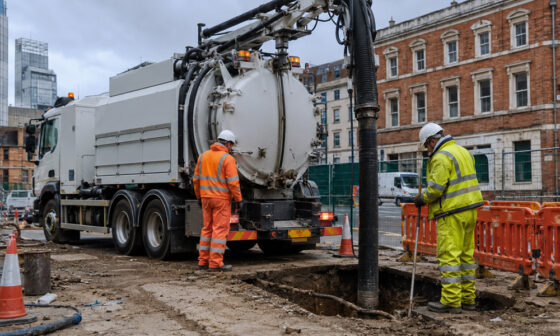
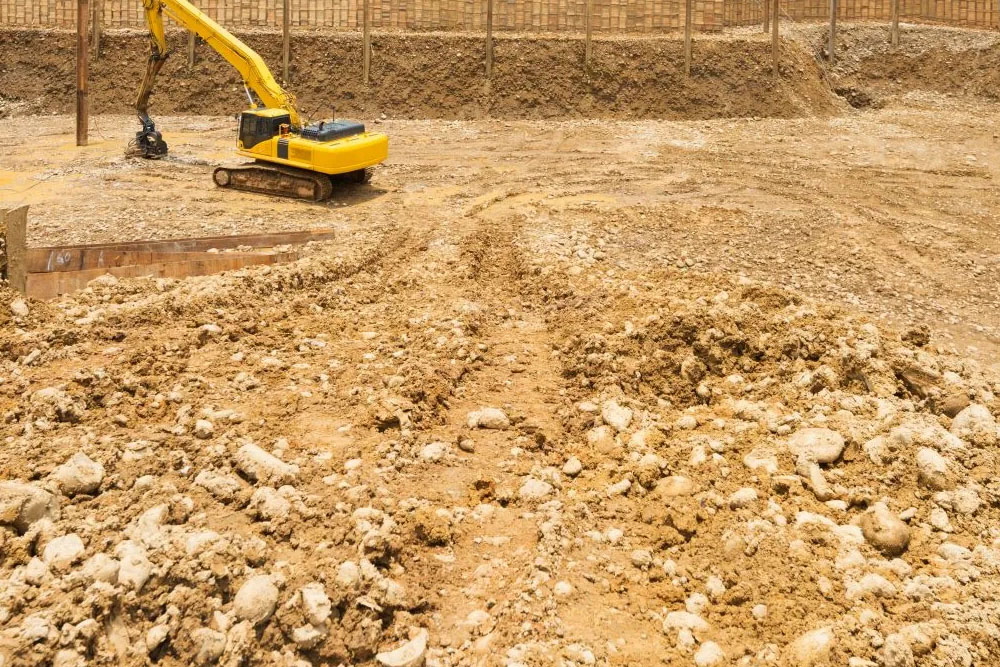
Geotechnical testing may not be the most exciting part of the job, but it’s important. Trench collapses happen fast and give little room for rescue. What seems like solid ground may change with buried services, nearby construction work, or even seasonal variation. Water mains burst more often during winter, for example, raising water tables wherever those pipes are buried.
During the preparation phase, you have to test. You also figure out what shoring and benching you’ll need, and document all this in Safe Work Method Statements before breaking ground. They’re called SWMS’s for high-risk work for a reason: if you don’t know how you’re doing the job safely before starting the job, you’re starting the job unsafely. This is particularly important for high-risk activities, like excavation.
Get the site prep right and you also get a structure with a better lifetime ahead. If the ground’s poor while you’re digging, then it’s poor for your foundations, and shoring is just the beginning of what you’ll need to do to make the new building stand up when you leave.
Height Safety Infrastructure Belongs At The Start, Not Mid-Build
Approximately 35% of all construction work-at-height deaths are caused by falls (U.S. Bureau of Labor Statistics). It’s been that way for decades, and it’s unlikely to ever change unless the construction sector as a whole shifts from reactive to proactive approaches to fall protection.
Reactive = edge protection and fall restraint become part of the site schedule as soon as work at height begins. Proactive = edge protection and fall restraint are part of the site schedule before work at height starts.
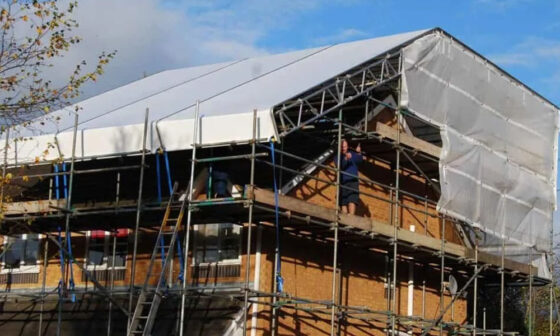
Including roof safety handrails in the site-preparation phase is a classic use of the most effective safety control method in the Hierarchy of Controls – engineering controls. You change the physical layout of the worksite to eliminate the hazard, rather than relying on workers to manage it. When the edge protection is already in place before the first subbie climbs the ladder, you eliminate the gap between “work is scheduled” and “protection is ready” – and that’s where accidents and near misses love to hide.
Site Layout and Traffic Management Prevent The Collisions Nobody Plans For
Vehicle incidents involving pedestrians are a leading cause of construction site fatalities. The terrifying thing is that they are the most avoidable cause of construction fatalities. You put the parking lot over there because you have to. You put the lockers over there because that’s just where they’ll fit. Then you send workers out to cross paths with dump trucks and backhoes that are too big to hear the warning of a human voice, and you hope for the best.
The best way to concrete over a large chunk of that hope? Keep pedestrians far away from construction vehicles. If you want to be more certain of that, trample a bit deeper into hope, and use physical barriers to ensure drivers follow an unchanging, predetermined route.
Site Induction and The Compliance Window That Closes Fast
A site induction is not a box-ticking exercise. It is the one occasion on which every worker on the job gets the same base information about what the site-specific hazards are before they have had the opportunity to form any ingrained interpretations about how things operate here.
Pre-start is when the induction materials are assembled – drawn from the real hazard ID activity that was part of setup, the TMP, the SWMS, and the emergency response. Inductions are delivered before day 1 on task, are more accurate, more believable, and more legally solid than anything that gets thrown together under time and program pressures later on.
Workers who are taught about site-specific conditions before they hit the ground make better self-protective decisions. This is not theoretical. It’s how cognitive bias works in the real world.
Safety Is A Design Decision, Not A Response
The contractors who consistently achieve strong safety outcomes don’t have better luck. They treat site preparation as the engineering phase of safety, not the administrative phase. Physical barriers, tested ground conditions, installed edge protection, designed traffic routes – these are the decisions that determine whether compliance is achievable or merely aspirational. Get the prep phase right and everything that follows is safer, faster, and cheaper to manage.