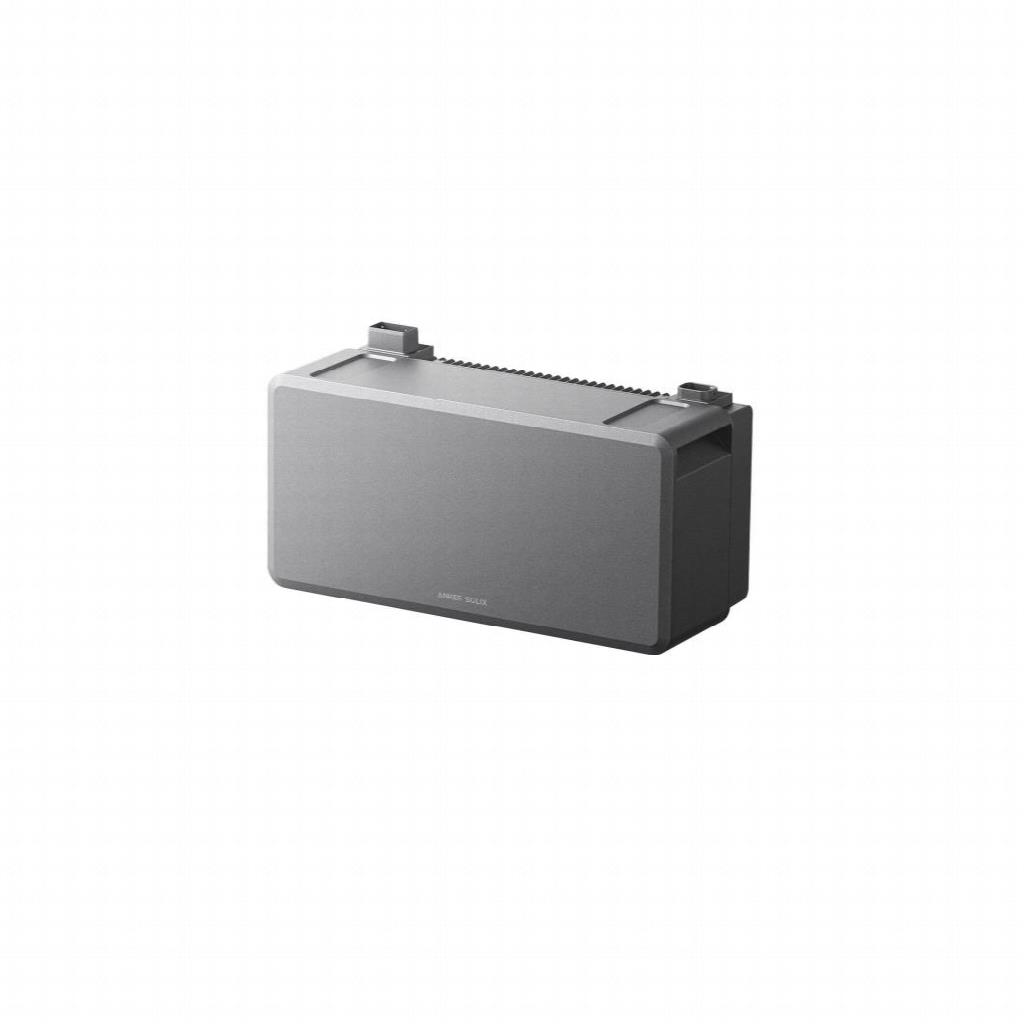
A home battery backup works by storing electricity for later use and supplying that power to your home when the grid is unavailable or when using stored energy makes more sense. The system usually includes a battery, an inverter, and controls that manage charging, discharging, and safety. When utility power is on, the battery can charge from the grid or from solar panels. During an outage, it automatically detects the interruption and begins powering selected circuits or, in some setups, the entire home. This gives homeowners backup power for essentials like refrigeration, lighting, internet, and medical devices. It can also support daily energy strategies, such as using stored electricity during peak utility rates or keeping solar energy available after sunset for greater resilience.
How a Home Battery Backup Stores and Delivers Power
Charging the Battery From the Grid or Solar Panels
A home battery backup charges by taking in electricity from one or two common sources: the utility grid and rooftop solar panels. If the system is connected to solar, the battery stores excess solar production that the home does not use right away. If solar is not producing enough, or if the system is configured that way, the battery can also charge from the grid during lower-rate periods. Internal controls monitor battery state of charge, temperature, and voltage to protect battery health. The charger and battery management system work together to regulate how fast energy enters the battery and when charging should slow or stop, ensuring safe storage and dependable readiness for outages and daily energy use.
Converting Stored Energy Into Usable Home Power
Batteries store electricity as direct current, but homes use alternating current for most appliances and outlets. That is why a home battery backup relies on an inverter to convert stored DC energy into usable AC power. When the grid is operating normally, the system may remain on standby or manage energy flows in the background. If an outage happens, the controls detect the loss of utility service and switch the home or selected backup circuits to battery power, often within seconds or less. The inverter then keeps voltage and frequency within acceptable ranges so connected devices continue running properly. This coordinated response is what makes backup power feel automatic, stable, and practical for everyday homeowners.
What Determines Home Battery Backup Performance?
Battery Capacity, Power Output, and Runtime
Three factors shape battery backup performance most: capacity, power output, and runtime. Capacity, measured in kilowatt-hours, tells you how much energy the battery can store. Power output, measured in kilowatts, shows how much electricity it can deliver at one time. Runtime combines both ideas and reflects how long the battery can support your chosen loads. A battery with higher capacity can run circuits longer, while higher output allows it to start and support more demanding equipment. Performance also depends on depth of discharge, inverter efficiency, and whether solar can recharge the battery during use. Understanding these numbers helps homeowners match a system to their goals, whether they want basic outage protection or broader whole-home support.
Appliance Loads and Household Energy Consumption
The devices you want to run have a direct effect on how well a home battery backup performs. Small essential loads such as lights, Wi-Fi equipment, phone chargers, and a refrigerator use far less power than central air conditioning, electric dryers, ovens, or large well pumps. Some appliances also have startup surges that briefly demand more power than their normal operating level. To plan effectively, homeowners need to look at both total daily energy use and the maximum amount of power used at one moment. Backup systems work best when circuits are prioritized. By separating essential loads from high-demand equipment, you can extend battery runtime, avoid overloads, and make stored energy more useful during outages and everyday operation.
How Home Battery Backup Fits Into Daily Energy Use
Using Stored Energy Beyond Emergency Outages
A battery backup for home is not only for blackouts. Many homeowners use stored energy every day to lower electricity costs and make better use of solar generation. For example, the battery can charge when solar production is high or when utility rates are lower, then discharge later during expensive peak-rate periods. This strategy can reduce reliance on grid power at the times when electricity costs the most. A battery can also help smooth short interruptions and keep important electronics powered without noticeable disruption. For solar homes, it increases the value of daytime generation by storing excess energy for evening use. That makes the system useful as both a resilience tool and an everyday energy management asset.
Building a More Flexible Whole-Home Backup Setup
A more flexible backup setup starts with deciding whether you want to power only essential circuits or support most of the home. Essential-load systems focus on selected breakers, which stretches runtime and lowers system size requirements. Whole-home backup aims to keep more appliances available, so it often requires greater battery capacity, stronger inverter output, and careful load planning. Smart controls can prioritize circuits, manage large loads, and coordinate charging from solar or the grid. In expandable systems, homeowners may add battery modules over time as needs grow. The best setup balances outage protection, daily energy savings, and future flexibility. That approach helps create a backup system that feels practical now and adaptable as household demands change.
Conclusion
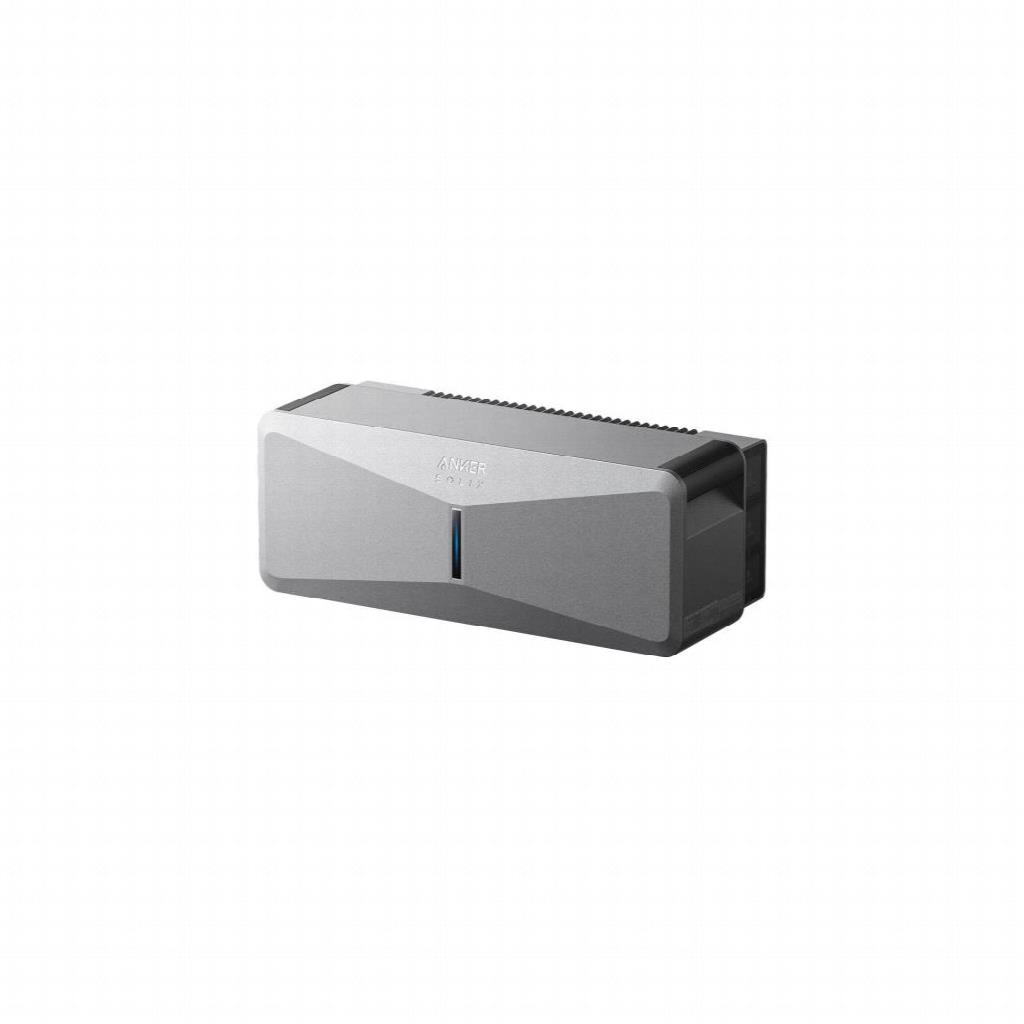
A home battery backup works by storing electricity, monitoring available power sources, and delivering energy through an inverter when your home needs it. It can charge from solar panels, the utility grid, or both, then automatically supply backup power during outages or reduce grid use during expensive rate periods. Its real-world performance depends on battery capacity, power output, and the loads you choose to support. Homes with clear circuit priorities and realistic energy planning usually get the best results. For many households, a battery backup is more than emergency protection. It is also a practical way to improve energy flexibility, use solar power more effectively, and keep essential systems running with less interruption when utility power is lost or less economical.