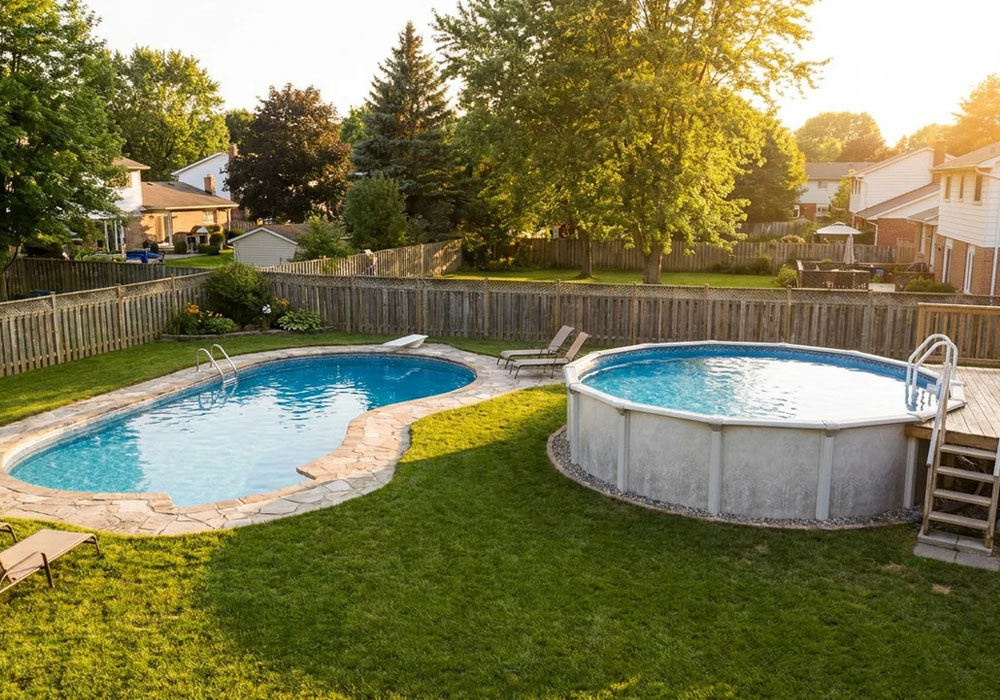
Choosing a swimming pool for a backyard involves more than selecting a shape, size, or design. One of the most important factors that often receives less attention is pool depth. The depth of a pool directly influences safety, comfort, maintenance requirements, intended activities, and overall satisfaction with the investment. Families, individuals, and property owners all have different expectations when purchasing a pool, making depth a critical consideration during the decision-making process. Understanding how various depth levels affect everyday use can help buyers make informed choices that align with their lifestyle, available space, and long-term goals while creating a more enjoyable outdoor environment.
Key Depth Factors to Consider
1. Understanding Pool Depth Choices
Pool depth plays a significant role in how a swimming pool functions daily. Many homeowners initially focus on the pool’s diameter, shape, or appearance, yet the vertical dimension can be just as influential. Shallower pools often appeal to families with young children because they provide a more comfortable environment for supervised play and water activities. Deeper pools, on the other hand, may attract swimmers seeking greater freedom of movement and a more immersive experience.
Depth also affects how users enter and exit the water, how confidently different age groups interact with the pool, and how the space is utilized during gatherings. Evaluating depth early in the selection process helps avoid future disappointment and ensures that the pool serves its intended purpose. A thoughtful assessment of household needs can reveal whether a shallower, medium-depth, or deeper pool offers the right balance of functionality and enjoyment for years to come.
2. Matching Depth to Family Activities
Different recreational activities require different water depths, making this consideration particularly important when comparing pool models. Families who primarily use a pool for relaxation, floating, or casual water games may find moderate depths suitable for their needs. Meanwhile, households with older children and active swimmers often prefer additional depth to support more dynamic movement in the water. When researching above ground pool options in MN, many homeowners evaluate how seasonal use, family size, and recreational goals influence their preferred depth.
A pool intended for social gatherings may benefit from a depth that comfortably accommodates a variety of users, while a pool focused on fitness-related activities may require different specifications. Understanding the pool’s primary purpose allows buyers to select a depth that supports those activities without creating unnecessary limitations. This practical approach helps maximize enjoyment while ensuring the pool remains adaptable to changing family interests over time.
3. Safety Considerations Related to Pool Depth
Safety remains one of the most influential factors when evaluating pool depth. The deeper a pool becomes, the more attention must be given to supervision, swimming ability, and appropriate usage. Families with younger children frequently prioritize shallower depths because they offer increased visibility and easier movement within the water. Although no pool is entirely risk-free, selecting a depth that aligns with the abilities of intended users can contribute to a safer environment. Adults who are not strong swimmers may also feel more comfortable in pools where they can stand securely in most areas.
Pool depth also affects rescue situations, emergency preparedness, and overall user confidence. Homeowners should consider the swimming skills of all family members and regular guests before making a final decision. A depth that promotes comfort and confidence often encourages more frequent use while helping create a positive experience for everyone involved throughout the swimming season.
4. How Depth Influences Maintenance Requirements
Pool depth affects more than swimming experiences; it also impacts ongoing maintenance responsibilities. Deeper pools hold larger volumes of water, which can affect chemical balance, cleaning routines, and filtration demands. More water often requires greater attention to maintain proper water quality and circulation. Debris may settle differently depending on the depth profile, potentially affecting cleaning frequency and equipment performance. Homeowners who prefer a lower-maintenance experience may find moderate depths easier to manage compared to significantly deeper alternatives.
Additionally, water replacement, treatment adjustments, and seasonal preparation can vary based on overall pool volume. While maintenance requirements should not be the sole deciding factor, they deserve careful consideration during the purchasing process. Understanding the relationship between depth and upkeep allows buyers to select a pool that fits both their recreational goals and their willingness to dedicate time and resources to long-term care.
5. Comfort and Accessibility for Different Age Groups
A pool that accommodates a broad range of users often delivers greater long-term value. Pool depth plays a major role in determining how comfortable and accessible the swimming environment will be for children, teenagers, adults, and older family members. Shallow and moderately deep pools frequently provide easier entry, improved stability, and greater confidence for individuals who may not be strong swimmers. Older adults may appreciate the ability to stand comfortably while enjoying gentle exercise or relaxation.
At the same time, younger swimmers often enjoy having enough depth to move freely without feeling restricted. Striking a balance between these preferences can be challenging, but it is often the key to creating a pool that serves multiple generations. Evaluating who will use the pool most frequently helps ensure that the chosen depth promotes comfort and accessibility rather than creating barriers that limit participation or enjoyment.
6. Long-Term Satisfaction and Property Considerations
Selecting an appropriate pool depth can significantly influence long-term satisfaction with a backyard investment. A pool that aligns with current and future needs is more likely to remain enjoyable as household circumstances evolve. As children grow older, recreational interests change, and property owners may begin to use the pool differently over time. Choosing a depth solely based on immediate preferences may result in limitations later. Additionally, pool depth can affect how potential buyers perceive a property if the home is eventually placed on the market.
While personal enjoyment should remain the primary focus, considering future flexibility can be beneficial. A thoughtfully selected depth often creates a versatile environment that supports relaxation, exercise, entertainment, and family activities for many years. By evaluating both current needs and future possibilities, homeowners can make a more confident, informed purchasing decision that continues to provide value over the long term.
Pool depth is a fundamental factor that warrants careful consideration when comparing swimming pool models. It influences safety, recreational possibilities, maintenance responsibilities, accessibility, and long-term satisfaction. A depth that aligns with household needs can enhance comfort and encourage more frequent use, while an unsuitable choice may create challenges that affect enjoyment over time. By considering who will use the pool, how it will be used, and what level of maintenance is acceptable, buyers can make more practical decisions. Taking the time to evaluate depth alongside other features helps ensure the selected pool delivers a rewarding experience that meets expectations for many seasons ahead.