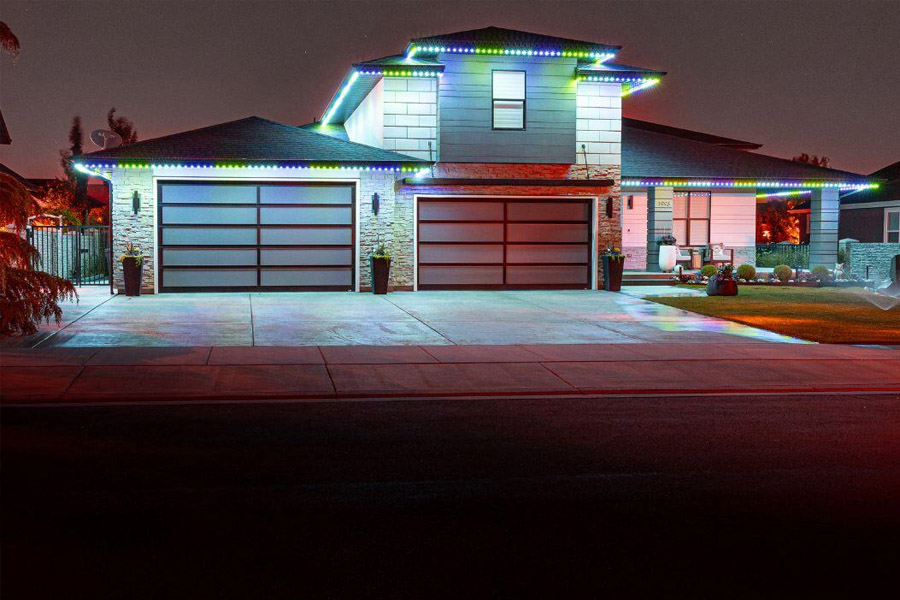
The Power of Nighttime Illumination
When daylight fades and shadows cover the yard, the house becomes a blank canvas. Homeowners can influence neighbors and guests by strategically illuminating its outline. Theater and visibility are both provided by night illumination. Beams against walls or spilling across paths influence whether a property whispers elegance or exuberant warmth.
Thoughtful lighting conveys atmosphere, texture, and architectural pride without structural alterations. It may accent masonry, draw attention to entryways, and create the mood for sunset arrivals. Adding or rearranging outside lights makes the front yard a stage where the home shines against a dark sky.
Reimagining Details through Light Layers
Each outdoor scene demands drama. Vertical and horizontal lighting may make a simple façade look three-dimensional. Soffit lights gently wash walls, while pathway lights line the front steps. Light sculpts tree silhouettes, revealing shape and detail that daytime views cannot.
When homeowners coordinate warm and cool color tones, they can control the story told by every glow. Warm hues give softness and invitation; cooler tones express clarity, crisp edges, and sophistication. The contrast should be orchestrated like a painter arranging highlights and shadows across a still life—the balance between intensity and restraint defines success.
Modern Lighting Technology at Work
Advanced LED design makes external alterations easier than ever. Compact modern fixtures integrate into architectural borders when not in use. Automated systems or voice assistants can operate smart bulbs from inside the house or a phone miles away. Several devices include energy data feedback, customizable color ranges, and dimming changes to optimize performance.
Motion sensors improve energy efficiency by lighting walkways only when someone approaches. Programmable timers create evening-appropriate beauty. As technology blurs the line between convenience and creativity, homeowners can customize every night’s look in minutes.
Spotlighting Architectural Character
No two exteriors are the same. A brick façade demands a different strategy from a stucco wall or cedar siding. Casting light upward onto textured surfaces gives geometry prominence. The interplay of shadows exaggerates the grooves and carvings that daytime glare may flatten. When spotlights are positioned precisely, they frame windows, moldings, or decorative columns like ornaments on a gallery wall.
Garages are generally overlooked in this visual narrative, yet they are prominent along driveways. The doors’ sconces should blend function and style. They create symmetry and visual anchors at entry points. Selecting fixtures that match the home’s architecture—rustic lanterns for cottages, sleek linear designs for newer builds—unites the picture.
Gardens and Pathways as Light Canvases
At night, grass, gravel, and garden beds create visual rhythm. Low-voltage or solar-powered path lights resemble candles guiding guests in. Proper spacing eliminates the “runway effect.” Create delicate pools of light by alternating positions. This variant suggests depth and movement by drawing the eye forward.
Lighting from the base turns trees into living sculptures. Narrow beams emphasize height, whereas wide-angle floodlights at the trunk emphasize canopy spread. Landscape aspects become part of the home’s composition with these selections. As each aspect is balanced, the yard becomes quieter and grander.
Temporary Lighting that Redefines Occasions
Holidays and events offer flexible brilliance. Detachable roofline lights or tree wraps add holiday glitter without drilling or rewiring. Small-scale outdoor LED string systems can replicate professional installations. They allow homeowners to create various ambiances for neighborhood parties, weddings, and family celebrations.
Temporary designs should reflect the mood. A neutral white theme matches any style, while color-coordinated options match events. Quick-release clips make event cleanup easy without damaging gutters or siding. These exhibits show that short-term light schemes can change a property’s view.
Using Shadows to Your Advantage
Not all surfaces need direct lighting. Darkness intentionally separates highlights and forms pattern. Allowing specific dark zones enhances lighted features. Well-controlled shadow improves texture and boundaries because the eye follows contrast.
Outdoor beauty is often threatened by glare. Shields and diffusers direct light downward or toward focal points. The best designs prevent strong projection beyond property lines to respect neighbors and the night sky. The property remains elegant and clear with minimal glare.
Smart Planning for Design Harmony
Experimentation matters. Nighttime inspection of the lights reveals problems that daytime hides. Some corners may be underlit or washed out. Homeowners achieve balance by altering fixture angles, wattage, and color temperature.
Combining lighting layers thoughtfully maintains harmony. Every beam should serve a visual or practical purpose without overpowering surroundings. Integration with smart controls allows easy seasonal adaptation—brighter setups for winter months, softer tones during summer evenings. Professionals can extend these principles with advanced mapping and energy analysis for large or intricate properties.
Regular maintenance is just as critical as design itself. Outdoor fixtures accumulate dust, spider webs, and moisture that dull brightness over time. Scheduled cleaning and inspection maintain consistent performance and longevity.
Highlighting the Emotional Dimension of Light
Night lighting has emotional value beyond its technical aspects. Warm light on a porch can reassure visitors before they enter. Single spotlights on flowering trees can evoke timeless beauty. Without words, light creates images. It suggests motion in stillness, guiding hearts and steps.
Residents feel welcomed when they drive up to their lit home after a long day. Light signals and welcomes, echoing the home’s soul.
FAQ
How can I choose the right brightness level for each outdoor area?
Each space’s brightness should fit its purpose. Entryways and driveways need brighter lighting than social seats or gardens. Adjustable fixtures or dimmable LEDs permit tone calibration to suit your mood.
Is warm or cool lighting better for enhancing curb appeal?
Mixing both adds dimension. Cooler lights highlight modern surfaces or stone details, while warmer outdoor tones relax and welcome. Balance prevents monotony and color perception imbalances.
Can smart home systems manage exterior lighting effectively?
Most recent smart systems easily integrate outdoor circuits. They provide remote control, scheduling, dimming, and color modifications. Automating lighting with sunset and rising cycles saves electricity and improves precision.
What safety benefits come from pathway lighting?
Properly framed paths reduce tripping risks and provide clear routes during low visibility. They help guests orient themselves and can deter trespassers by eliminating dark hiding spots, all while adding an elegant sense of structure.
Why should uplighting and soffit lighting be combined?
These two directions of light complement each other. Soffit fixtures highlight eaves and downwash walls, while uplights push visual depth upward. Together they reveal architectural height and texture, giving the exterior a balanced nighttime profile.
Are temporary lighting installations safe for residential use?
Outdoor-rated cables, clamps, and LEDs make temporary lights safe. Only use weatherproof outlets or low-voltage converters. Large roofline projects require professional help for safety and uniformity.
How often should exterior lighting setups be inspected?
At least twice annually. Seasonal changes, debris, and temperature variations can affect functionality. Routine inspection ensures steady brightness, detects wiring wear, and prolongs fixture life.
What are some subtle ways to reduce glare?
Select fixtures with built-in shields or frosted lenses, orient them downward, and avoid direct exposure to the viewer’s line of sight. Positioning lights slightly offset from paths or reflective surfaces further softens the overall glow.
Can lighting really influence property value?
Effective external lighting improves safety, aesthetics, and architectural coherence, increasing property value. Landscape lighting frequently indicates precise maintenance and artistic care to buyers.
What principles should guide a homeowner’s first lighting experiment?
Start by watching. Take note of architectural or landscape aspects that stand out. Choose three focus points over scattered installations. Adjust angles, intensity, and color temperature for a pleasing nighttime vision.