Key Takeaways
- Begin with a close inspection so urgent repair needs are not hidden by cosmetic improvements.
- Plan windows, doors, siding, drainage, and outdoor areas as connected parts of one exterior system.
- Build the budget around water protection, comfort, durability, and maintenance, not appearance alone.
- Detailed estimates, permit research, and a clear scope of work can prevent expensive misunderstandings.
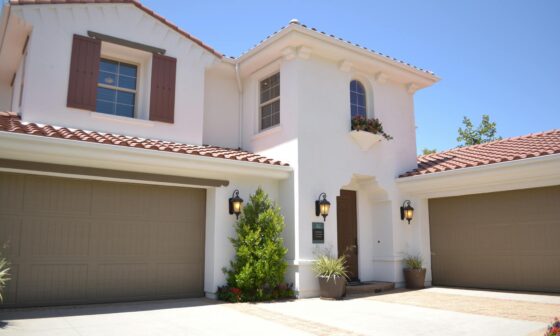
A complete exterior renovation can improve curb appeal, indoor comfort, weather protection, and the way a home functions outdoors. Whether the project includes new siding, replacement windows, a porch update, or storm door installation, the best results usually begin with a plan that considers how each improvement affects the next. It is not necessary to complete every exterior project in one season. A long-term plan can identify immediate repair needs, establish a unified design direction, and create a sensible sequence of work to be completed over several years.
Why Plan the Whole Exterior?
Exterior components do not work independently. New siding changes the visual weight of the window trim. A replacement front door may require updated lighting, hardware, or porch finishes to look intentional. A new deck can add an enjoyable living space, but it also changes how water moves around the home and how people access the yard. Thinking about these connections early helps homeowners avoid mismatched materials, repeated labor, and unnecessary disruption. It also makes it easier to prioritize repairs that protect the structure before investing in finishes that are mainly decorative.
Inspect Before Choosing Products
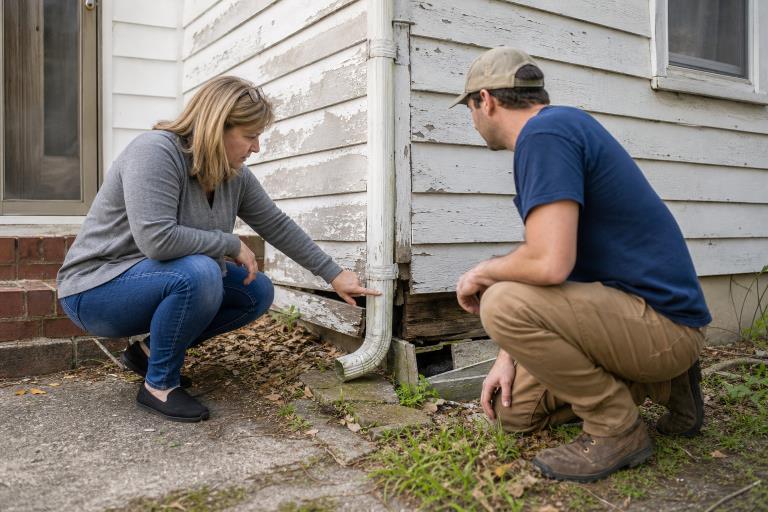
Before selecting colors or requesting estimates, inspect the property from the roofline to the foundation. Take photographs, note problem locations, and record basic measurements. This information provides a useful starting point for contractor conversations and makes it easier to compare recommendations.
What to Look For
- Cracked, loose, warped, or rotting siding, trim, railings, and steps.
- Peeling paint, stained walls, soft wood, or other signs of moisture exposure.
- Windows that are drafty, difficult to operate, or showing condensation issues.
- Doors with damaged weatherstripping, sticking locks, worn thresholds, or visible gaps.
- Gutters that sag, overflow, clog often, or discharge water near the foundation.
- Soil, mulch, patios, or plantings that direct water toward the house.
Set Priorities and a Practical Budget
Organize the project into three categories: urgent repairs, performance upgrades, and visual improvements. This order keeps a damaged flashing detail, unsafe stair, or drainage concern from being overlooked while attention is focused on paint colors or new fixtures.
- Repair immediate problems first.Address active leaks, structural deterioration, unstable railings, and serious water-management issues.
- Improve protection and comfort next.Consider air sealing, weather resistance, drainage, ventilation, and durable replacement materials.
- Complete appearance updates last.Coordinate colors, trim profiles, lighting, landscaping, and decorative details once the exterior is sound.
A realistic budget should include labor, demolition, disposal, site protection, permit fees, inspections, cleanup, and a contingency amount for concealed damage. A lower initial estimate is not always the better value if it excludes preparation work or uses a different installation approach.
Plan Windows and Doors Together
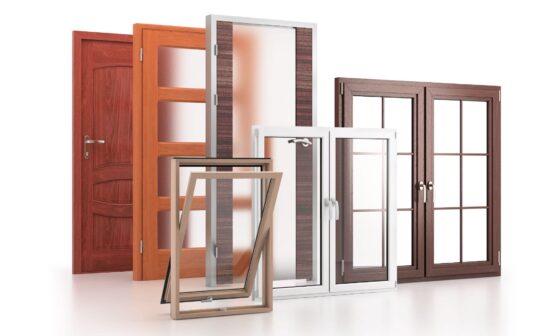
Windows and doors influence daylight, ventilation, security, comfort, and the appearance of the front and rear elevations. Reviewing them together can help create consistency in frame color, trim width, glass style, and hardware finishes. When comparing products, ask for clear specifications rather than relying solely on broad efficiency claims. Window and door performance ratings vary by climate zone, so homeowners should consider insulation value, solar heat control, air leakage information, glazing options, and installation requirements in relation to local conditions.
Questions Worth Asking
- Which frame material fits the desired maintenance level?
- How will the product handle sun exposure, wind-driven rain, and seasonal temperature changes?
- Does the opening style provide the ventilation and access the room needs?
- What are the product and labor warranty terms?
- Will the replacement work affect interior trim, exterior cladding, or nearby finishes?
Coordinate Siding, Gutters, and Drainage
Siding is part of a larger weather-protection system. Trim, flashing, soffits, fascia, window surrounds, gutters, and downspouts must work together to direct water away from vulnerable areas. Fresh siding cannot solve an underlying drainage or flashing problem. Pay close attention to where roof runoff ends up. The EPA notes that redirecting downspouts toward appropriate landscaped areas can help reduce runoff. Still, the final layout should keep water moving away from the foundation and avoid sending it toward neighboring property. Thoughtfully redirecting downspouts is often a small decision with a major effect on the exterior’s long-term performance.
Design Outdoor Living Areas for Daily Use
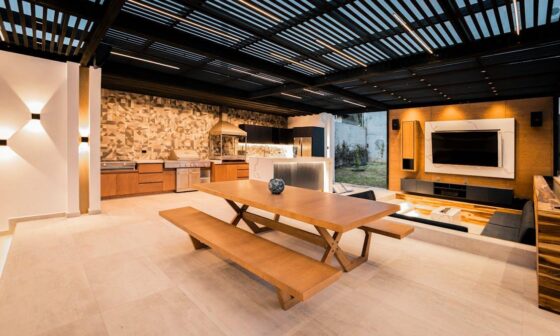
Decks, patios, porches, and seating areas should be planned around real routines rather than a temporary trend. Consider how many people will use the space, whether it will support meals or entertaining, and how sun, wind, privacy, and rain affect comfort throughout the day. Lighting can make an outdoor area more usable after sunset, while shade structures, screens, and well-placed plantings can improve comfort. Choose materials with an honest view of maintenance needs, including cleaning, refinishing, repainting, and seasonal care.
Compare Materials for Long-Term Value
No single exterior material is right for every home. The most suitable choice depends on climate, architectural style, project budget, exposure to moisture and sunlight, and the homeowner’s willingness to maintain it.
- Compare the installed cost, not only the product price.
- Ask how frequently the material may need cleaning, painting, sealing, or repair.
- Review resistance to moisture, insects, fading, impact, and temperature changes.
- Confirm whether matching replacement parts are likely to be available later.
- Read warranty terms carefully, including exclusions related to installation or maintenance.
Prepare for Contractors and Permits
Bring photographs, measurements, product preferences, and a written list of goals to every estimate appointment. Request a detailed scope that identifies removal work, repairs, materials, installation methods, cleanup, payment terms, and the process for handling unexpected conditions. Homeowners should also verify licensing, insurance, references, and local permit requirements. Ask who will manage the job, who will perform the installation, how the site will be protected, and when a final walkthrough will take place.
Exterior Renovation Checklist
- Inspect the roofline, walls, windows, doors, gutters, deck, and foundation.
- Document visible damage with notes and photographs.
- Separate urgent repairs from performance and appearance upgrades.
- Create a budget that includes a contingency fund.
- Choose a consistent design direction before ordering materials.
- Compare detailed written estimates on an equal scope of work.
- Confirm permits, insurance, warranties, schedule, and cleanup expectations.
- Complete a final inspection before approving the finished project.
A thoughtful exterior renovation protects more than curb appeal. By addressing moisture, durability, comfort, and design as connected priorities, homeowners can create a property that looks cohesive, performs reliably, and supports everyday life for years to come.
Conclusion
A complete exterior renovation is easier to manage when homeowners focus on the property’s condition and function before making cosmetic decisions. Inspecting the home, addressing water and safety concerns, and setting clear priorities can help prevent new finishes from covering problems that still need attention. Windows, doors, siding, gutters, drainage, and outdoor living areas should also be planned as connected parts of the exterior rather than separate projects. Detailed estimates, realistic budgeting, permit checks, and clearly defined scopes of work can help homeowners understand the full scope of the project before work begins. A renovation does not have to happen all at once; improvements can be completed in phases based on urgency, budget, and long-term goals. By combining practical repairs with coordinated design and appropriate maintenance planning, homeowners can create an exterior that supports comfort, weather protection, durability, curb appeal, and everyday use for years to come.