Key Takeaways
- Newport Beach coastal style is most successful when it prioritizes comfort, daylight, and natural materials.
- A relaxed home can nod to the shoreline without relying on literal nautical decorations.
- Soft color, layered texture, practical furnishings, and easy outdoor access create an inviting everyday setting.
- Materials should be selected with sunlight, humidity, sand, salt air, pets, children, and entertaining in mind.
- Even small adjustments can make a Newport Beach home feel calmer and more connected to its setting.
Table Of Contents
- What Relaxed Coastal Style Looks Like in Newport Beach
- Build A Soft, Flexible Color Palette
- Use Natural Textures For Warmth
- Choose Furniture For Comfort And Flow
- Let Natural Light Shape The Room
- Connect Indoor And Outdoor Living Areas
- Select Materials That Handle Daily Life in Coastal Environments
- Common Coastal Design Mistakes To Avoid
- Simple Updates For Different Budgets
- A Practical Coastal Design Checklist
- Conclusion
In Newport Beach, California, a home often serves several purposes at once. It may be a quiet retreat after a walk near the harbor, a gathering place for weekend guests, and an easy transition point between indoor rooms and a patio or balcony. The goal of relaxed coastal design is not to recreate a beach cottage in every detail. It is to make daily life feel lighter, more comfortable, and better suited to the pace of the community.
Whether furnishing a bright condo, a Balboa Peninsula home, or a hillside space in Newport Coast, thoughtful choices matter more than themed décor. Visiting a Newport Beach, CA furniture outlet can help homeowners see how scale, upholstery, wood tones, and texture work together before committing to major pieces.
1. What the Relaxed Coastal Style Looks Like in Newport Beach
Modern coastal design in Newport Beach is about mood, not a collection of anchors, ropes, shells, or signs. It can reflect the community’s bright skies, pale sand, weathered wood, and the softened colors of the Pacific waters visible throughout the area, without becoming overly literal. Leave visual breathing room, choose furnishings meant for use, and let windows, views, and circulation guide the plan.
For homeowners seeking luxury furniture in Newport Beach, CA, the strongest rooms usually balance refined materials with an approachable feel. A tailored sofa, substantial dining table, or woven accent chair should invite people to settle in, not make the room feel untouchable.
2. Build A Soft, Flexible Color Palette
Start with warm white, soft cream, sand, pale taupe, or driftwood gray on larger surfaces. These colors create a calm foundation that works with changing light throughout the day and complements Newport Beach’s natural environment. Add washed blue, muted sea green, weathered brown, charcoal, or a small amount of navy through pillows, art, lamps, and rugs rather than coating an entire room in a stronger shade.
3. Use Natural Textures For Warmth
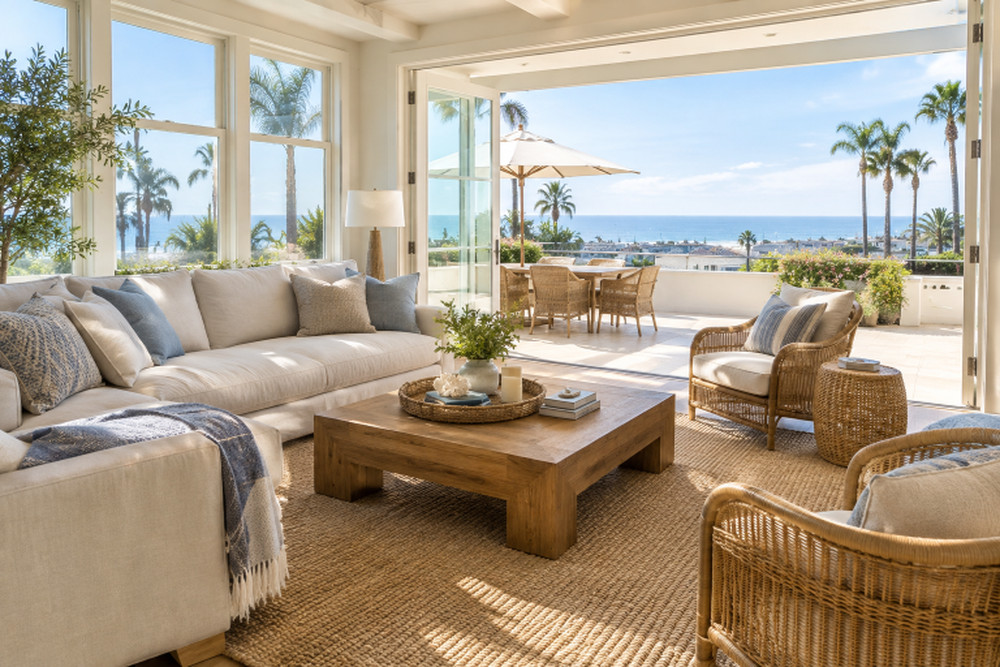
Texture keeps pale rooms from looking flat. Layer linen or cotton upholstery with a woven rug, wood furniture, baskets, cane, rattan, and matte ceramic accents. For example, a living room might pair a soft neutral sofa with a jute-blend rug, a warm wood coffee table, and linen window panels. The mix adds depth while preserving an uncluttered coastal feeling that works well in Newport Beach homes.
4. Choose Furniture For Comfort And Flow
Plan around real routines. Ask where people naturally sit, whether there is a surface for a drink or book, and whether guests can move easily through the room. Conversation-friendly seating, nesting tables, storage benches, and flexible ottomans can make a compact Newport Beach living area work harder without looking crowded.
5. Let Natural Light Shape The Room
Daylight is one of Newport Beach’s best design assets. Keep large windows visually open, use lightweight curtains to soften glare, and place mirrors where they can brighten darker corners. The city’s average conditions at Newport Beach Harbor reflect the mild coastal environment, but sunlight still shifts noticeably from morning through evening. View paint, fabrics, and flooring samples at several times of day before making final selections.
6. Connect Indoor And Outdoor Living Areas
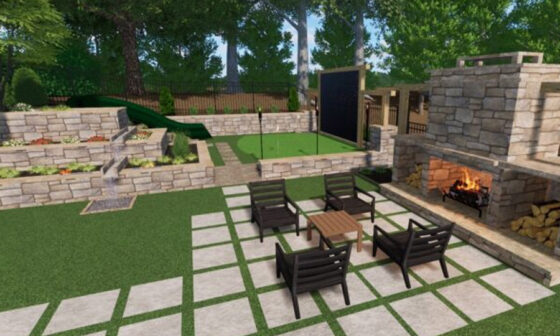
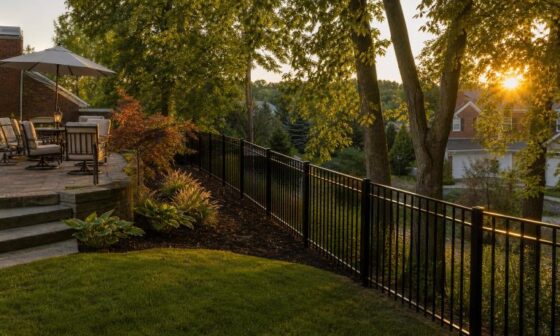
A clear relationship between interior rooms and outdoor areas can make a Newport Beach home feel more spacious and aligned with the community’s coastal lifestyle. Repeat one or two colors or materials from the living room on the patio, keep pathways open from the kitchen or dining area, and provide comfortable shade. An outdoor space does not need to be large to be useful. A pair of chairs, a small table, layered lighting, and weather-appropriate cushions can create an appealing place for coffee, reading, or casual dinners.
7. Select Materials That Handle Daily Life in Coastal Environments
Coastal style in Newport Beach should be easy to maintain given the area’s sun exposure, salt air, and humidity. In sunny, high-use rooms, consider performance upholstery, washable covers, durable rugs, and finishes that are simple to clean. Outdoor pieces need materials suited to moisture and sun exposure. Before buying, review care requirements and think honestly about the household’s routines, including sandy feet, pets, visiting family, and frequent entertaining.
8. Common Coastal Design Mistakes To Avoid
Using Too Many Nautical Motifs
Choose a few subtle references rather than covering every surface with maritime imagery. Natural materials and a restrained palette communicate the Newport Beach setting more effectively.
Making Everything White
White can be beautiful, but it needs contrast. Warm wood, greenery, textured fabric, and darker accents provide grounding.
Ignoring Scale And Function
Oversized furniture can block circulation, while delicate finishes and inadequate storage can make a room frustrating to use. Measure carefully and prioritize practical comfort.
9. Simple Updates For Different Budgets
- Low-cost: Replace heavy drapery, add baskets, rearrange furniture, and bring in natural-color pillows or plants.
- Mid-range: Update an area rug, improve lighting, add a wood coffee table, or refresh dining and accent seating.
- Larger projects: Improve patio shade, replace worn flooring, update doors or windows, or rework a cramped layout for better circulation.
10. A Practical Coastal Design Checklist
- Does the room feel comfortable before it feels decorated?
- Is the palette calm enough for everyday living?
- Are smooth and textured materials balanced?
- Can people move easily through the space?
- Do fabrics and finishes fit the household’s maintenance needs?
- Does the outdoor area feel easy to access, shaded, and welcoming?
Conclusion
Relaxed coastal living in Newport Beach is less about following a strict style and more about supporting a better daily experience that honors the community’s beachside location and temperate climate. Soft color, natural texture, comfortable furniture, durable materials, and a thoughtful connection to the outdoors can make nearly any Newport Beach home feel bright, grounded, and welcoming. The best result is a space that reflects its coastal surroundings while still feeling personal, functional, and lived in.