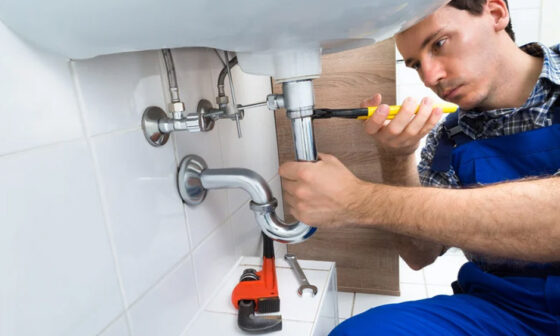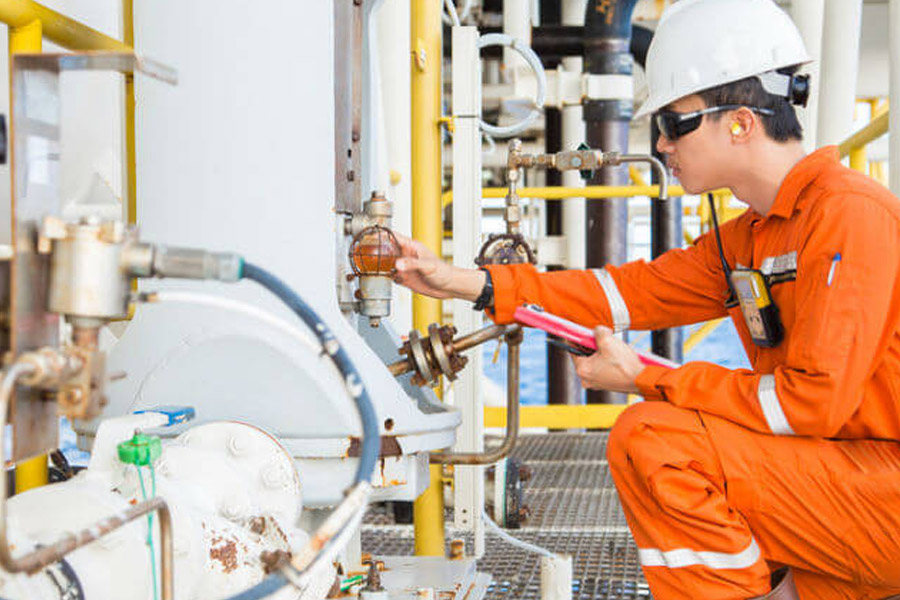
Water pumps play a crucial role on properties in Miami because they facilitate irrigation, water pressure increase, moving water from land that bears the risk of flooding, making water available for machinery, and preventing water damage during the periods of excessive rainfall. Once pump-related problems go beyond visual inspection and require plumbing services Miami, the owners can rest assured that plumbing services will help in identifying problems with water supply, drainage, and the respective devices related to the pumps.
The climatic conditions of Miami, Florida create difficulties for pumps due to moisture, clogging, and heavy rains. Regular maintenance can prevent water damage and breakdown if problems are detected and resolved timely.
The Importance of Water Pump Maintenance
The water pump fulfills various tasks such as preserving water pressure, irrigation, and enabling the operation of air-conditioning appliances. The growing demand puts stress on many components, among which are motors and seals. If minor issues such as leaks and blockages are not fixed early, there will be a need for more complicated and expensive repair works. It is very important to watch the pumps after heavy rains and interruptions in Miami.
Signs that a Pump Needs Service
Being able to identify pump operation problems is very important for maintenance. Abnormal sounds like grinding or rattling, excessive vibrations, varying water pressure, long working hours, repeated switching on and off, wet places around the pump, and mineral scale are some of the obvious indicators of the requirement for service. Along with these, one should include burning odor, overheated wires, tripped breakers, corroded parts, cracks, loose mounts, and high energy consumption when the water consumption is unchanged.
Basic Home Water Pump Checklist
Before carrying out any inspection on exposed wires, moving parts or parts in contact with water, always remember to switch off the power supply. Also, never do any repairs or works on pressurized equipment without the help of the manufacturer. Always check that the whole system is secured.
Monthly Checks
- Check for any indications of leaks, wet concrete, corrosive materials, and white mineral substances close to valves and pipes.
- Watch for strange noises or vibrations being produced by the compressor when it is powered on.
- Ensure that there are no containers and plants on the outlets, cooling angles, and entry structures.
- Evaluate the pressure reading of the system.
- Check that no obstructions are found in the outlets, drainage piping, and exiting ports.
Seasonal and Storm Checks
- Examination of outdoor pump enclosures, irrigation pipes, and intake location must be done before the wet season starts.
- Remove easily reachable screens and filters from dirt, leaves, grass clippings and debris.
- Inspect visible pipes as to whether they are damaged by sunlight, are not insulated properly, or are damaged due to landscaping equipment.
- Test the backup drainage system prior to precipitation events, especially in garages, crawl spaces, and other low-lying areas.
A Business Maintenance Program
Whenever you think of pump care in Miami, be it for a condominium, hotel, commercial business, or a multifamily dwelling, keep in mind that this is an important part of your maintenance program. A situation is going to arise if your pumps stop working that will bother guests, destroy inventory, create problems with the use of restrooms and kitchen equipment, disturb the functioning of irrigation, and might even create hazardous situations with respect to water being present.
Useful Steps for Facility Managers
- Make a complete list of every pump with information such as its location, function, age, model, and power source.
- Make a record of normal values for pressure, flow, temperature, and vibrations for future comparisons.
- Add routine inspections (weekly, monthly, annual) on a common maintenance calendar.
- Gather service reports, manuals, warranty information, and information regarding parts replacements.
- Identify pumps that are compulsory in undermining systems, sanitation, cooling, and daily functions.
- Develop a plan of action for potential flooding, leaks, power outages, and failures.
Written records are helpful in determining whether changes in the performance were abrupt or gradual. They allow planning replacements in advance in order to avoid malfunctions of essential pumps during emergencies such as floods or rush hours.
How Frequently Should a Pump Be Checked?
Every pump will need a different level of upkeep, depending on how long it has been in use, hours of use, water conditions, the amount of usage, and the environment. The guidelines below provide an overview of an effective maintenance plan for Miami-area properties:
- Weekly:Check for leaks, noise, standing water, and damage.
- Monthly: Check gauges and monitor the pump’s regular cycles of use.
- Quarterly:Inspect strainers, fittings, supports, drainage paths, controls, and protective equipment.
- Annually:Schedule a major inspection.
- After heavy rains:Check for exposure to flooding, blockage of pumps, and wiring damage.
Techniques for Improving Pump Efficiency
Pump efficiency improvement involves the regular cleaning of filters and the intake area, prompt leak repairing, and keeping pipes and valves free from any obstructions. Always run the pump at an acceptable pressure rating and use parts that are the same as or like the original parts, while monitoring for constant utility price spikes. When working with irrigation pumps, one has to be quite familiar with local outdoor water use regulations, which are especially relevant in South Florida.
Rules for Ensuring Pump Safety during Maintenance
- Make sure that all the electricity is disconnected before opening pumps.
- Avoid touching any electrical components, when your hands are wet, or while standing in water.
- Never neglect alarms, protectors, circuit breakers, or any safety equipment.
- Always keep eyes covered when working near high-pressure pipes, filters, and drains.
- Ensure that you have relieved the pressure in the system before opening any pressurized equipment.
- If there is too much smoke, a burning smell, shaking, or flooding, immediately stop the work.
Although emergency electricity can be important after storms, portable generators require special handling. The recommended practice when it comes to preventing carbon monoxide emissions is to always use generators outside.
When to Schedule Professional Help
Hire a skilled and licensed technician to handle any electrical problems, internal pump parts, high-pressure systems, sewage-related issues, or any system involved in the functioning of the building facilities. Problems like recurring tripping of the breakers, overheating of the engines, problems with seals, extreme vibrations, and drops in pressure not explainable should be solved quickly. This will help in preventing valve and equipment breakdowns and consequently help in cutting water interruption downtimes.
Final Thoughts
The most dependable pumping processes in Miami begin with thorough inspections of pumps. Make sure to look for possible leaks, noise, rust, and pressure variations, and keep the drains unobstructed. If any issues find their way to the pumping processes due to outages, floods, or pressure problems, stop using the pump if possible and look for assistance from experts.