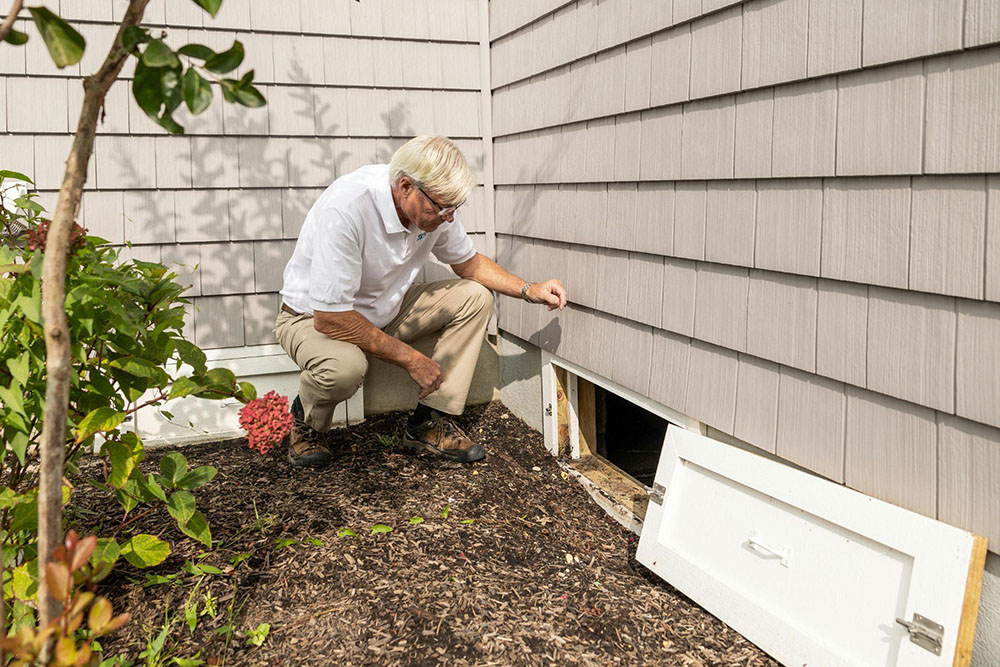
Buying your first home is an exciting milestone. After spending time searching listings, comparing neighborhoods, and imagining your future in a new space, it is easy to focus on appearances alone. A beautiful kitchen or freshly painted walls can make a strong first impression, but a home’s true condition goes much deeper than what you can see at first glance.
That is why a thorough home inspection is one of the most important steps in the buying process. It gives you a better understanding of the property’s condition and helps uncover issues that may need attention before you finalize the purchase. In places like Seattle, where weather conditions can affect homes in different ways over time, a careful inspection becomes even more valuable.
Whether you are buying a small starter home or a larger property, knowing what to look for can help you make a confident decision. This checklist covers the key areas every first-time buyer should review before moving forward.
Start With Signs of Pest and Rodent Activity
One of the first things to check during a home inspection is whether there are signs of pest or rodent activity. While this may not be the most exciting part of the process, it can reveal problems that affect both the condition and safety of a home.
Look for droppings, nesting materials, chew marks, damaged insulation, or unusual odors. Listen for scratching sounds in walls, ceilings, or attic spaces. These warning signs may indicate that rodents have been present in the property.
In Seattle, older homes and properties with crawl spaces can sometimes be more vulnerable to rodent issues. Identifying potential problems early can save you from expensive repairs and future headaches.
If you’re looking for a professional service that specializes in rodent control Seattle has a range of providers to choose from. Having experts evaluate a suspected issue can help you better understand the condition of the property before completing your purchase.
Examine the Foundation and Structure
The foundation supports the entire home, so it deserves careful attention. While minor settling is common in many properties, larger structural concerns should never be ignored.
Look for cracks in walls, uneven floors, doors that do not close properly, or visible foundation cracks. These issues can sometimes indicate movement within the structure.
If anything appears unusual, consider consulting a structural professional for a more detailed evaluation. Identifying structural concerns before closing can prevent major surprises later.
Check the Roof for Visible Damage
The roof protects everything underneath it, making it one of the most important parts of any home. Even a small roofing issue can lead to water damage, mold growth, and costly repairs over time.
During your inspection, look for missing shingles, damaged flashing, sagging sections, and signs of wear. Pay attention to gutters as well, since clogged or damaged gutters can contribute to moisture problems.
Ask about the age of the roof and whether any major repairs or replacements have been completed recently. A roof nearing the end of its lifespan may become a significant expense after purchase.
Inspect the Attic and Insulation
Many first-time buyers overlook the attic, but it can provide valuable information about a home’s overall condition.
Check for adequate insulation coverage and look for signs of water intrusion, staining, or mold growth. Poor insulation can lead to higher energy bills and reduced indoor comfort throughout the year.
An attic inspection can also reveal ventilation problems that may affect the home’s efficiency and long-term durability.
Test Plumbing Fixtures and Water Systems
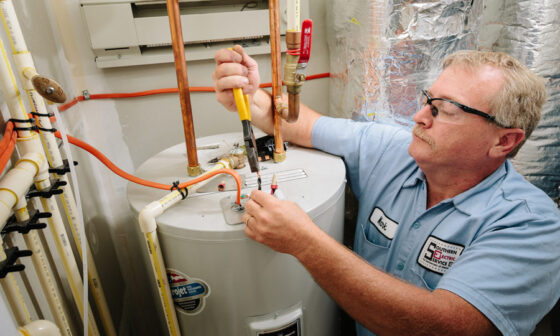
Plumbing issues can quickly become expensive if they are not identified early. During the inspection, test sinks, showers, tubs, and toilets throughout the home.
Pay attention to water pressure, drainage speed, and any visible leaks. Look underneath sinks for moisture, stains, or signs of previous repairs.
It is also important to review the condition and age of the water heater. An aging unit may require replacement sooner than expected.
Evaluate the Electrical System
A safe and functional electrical system is essential for any home. Start by inspecting the electrical panel and ensuring circuits are clearly labeled.
Test outlets, light switches, and fixtures throughout the property. Watch for flickering lights, exposed wiring, or outlets that do not function properly.
Older homes may contain outdated electrical systems that no longer meet modern demands. Having an electrician assess questionable areas can provide additional peace of mind.
Review Heating and Cooling Systems
Heating and cooling systems play a major role in both comfort and energy efficiency. During the inspection, ask about the age, maintenance history, and condition of the equipment.
Run the heating and cooling systems if possible to verify they are operating properly. Listen for unusual sounds and note any areas of the home that feel significantly warmer or cooler than others.
Regular maintenance records can also provide insight into how well the system has been cared for over time.
Look Closely at Windows and Doors
Windows and doors do more than provide access and natural light. They also contribute to energy efficiency and home security.
Open and close each window and door to ensure they operate smoothly. Look for damaged seals, drafts, condensation between glass panes, or visible signs of wear.
Replacing windows and doors can be expensive, so it is helpful to understand their condition before making a purchase decision.
Examine Exterior Features and Drainage
The exterior of a home deserves just as much attention as the interior. Walk around the property and inspect siding, decks, fences, walkways, and other outdoor features.
Pay close attention to grading and drainage. Water should flow away from the home’s foundation rather than collecting near it.
Poor drainage can contribute to moisture problems and long-term damage, making it an important part of any inspection checklist.
Buying your first home is a major investment, and a thorough inspection helps ensure that investment is a smart one. By carefully evaluating everything from the roof and foundation to plumbing and electrical systems, you can gain a clearer picture of the property’s condition. Taking the time to follow a detailed inspection checklist can help you avoid unexpected expenses, make informed decisions, and move into your new home with greater confidence.