Many homeowners are placing greater value on their outdoor areas as extensions of their homes. With more time spent at home, these spaces offer an opportunity for both relaxation and everyday living. Yet, many backyards remain underused or lack a clear purpose, serving more as empty land than as a functional part of the home.
A well-designed yard can become a personal retreat that supports both comfort and mental well-being. Instead of viewing it as an afterthought, homeowners can approach it as a key part of modern home improvement. By making thoughtful updates, even simple ones, a yard can shift from a basic outdoor area into a space that encourages relaxation, connection, and a better overall lifestyle.
Start with a Vision: Planning Your Ideal Outdoor Retreat
Before making any changes, it is important to evaluate how you want to use your yard. Some homeowners prefer a quiet place to unwind, while others focus on entertaining guests or creating a family-friendly environment. Identifying your priorities early helps guide design decisions and prevents unnecessary expenses later. A clear vision also helps you avoid random additions that do not serve a purpose, keeping the overall space intentional and functional.
As you begin planning, consider how layout, movement, and comfort will work together. Thoughtfully designed outdoor living spaces can enhance how the area functions while increasing your property’s long-term value. This is where a more structured approach becomes important, as balancing design elements with usability requires careful planning. While many upgrades can be done independently, consulting professionals can help ensure that the final result feels cohesive, practical, and aligned with your long-term goals.
Understanding the Psychology of Outdoor Relaxation
Spending time outdoors has a direct impact on stress levels and overall mood. Natural light, fresh air, and greenery can create a calming environment that supports mental clarity. When a yard is designed with relaxation in mind, it becomes easier to step away from daily pressures and recharge.
Design choices also influence how the space feels. Neutral tones, natural textures, and balanced layouts contribute to a sense of order and comfort. In addition, a visually appealing yard can enhance curb appeal, making the entire property feel more inviting while providing a peaceful place to spend time.
Defining Functional Zones for Comfort and Flow
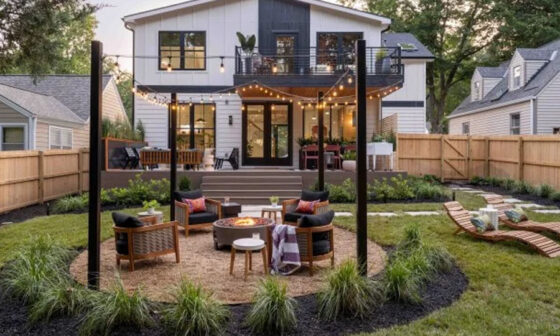
Dividing your yard into distinct zones helps create structure and improve usability. For example, a dining area can be placed closer to the house, while a lounging space can be positioned in a quieter section of the yard. This approach allows each part of the space to serve a clear purpose without feeling crowded.
You can define these zones using simple design elements such as outdoor rugs, planters, or changes in surface materials. Pathways can guide movement between areas, making the layout feel organized and intentional. When each section is clearly defined, the yard becomes more practical and enjoyable to use every day.
Using Landscaping for Privacy and Natural Beauty
Privacy plays a major role in creating a relaxing outdoor environment. Instead of relying solely on fences, many homeowners choose natural solutions such as hedges, trees, or climbing plants. These elements create a sense of enclosure while maintaining a visually appealing landscape.
Layered landscaping also adds depth and interest to the yard. Combining different plant heights, textures, and colors can make the space feel more dynamic without overwhelming it. Choosing native or low-maintenance plants further simplifies upkeep, allowing homeowners to enjoy their yard without constant maintenance.
Engaging the Senses with Water and Fire Features
Incorporating sensory elements can significantly improve how a yard feels and functions. Water features such as small fountains or compact ponds introduce a gentle background sound that helps reduce noise from nearby surroundings. This creates a more peaceful setting that encourages relaxation and focus.
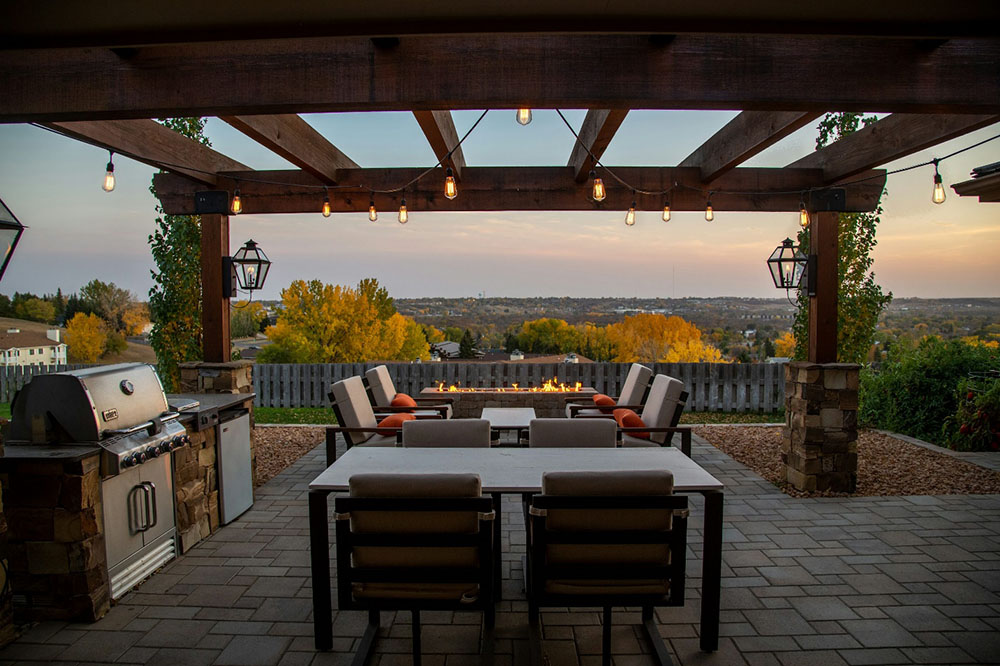
Fire features add both visual appeal and practical value. A fire pit or outdoor fireplace can extend the space’s usability into cooler evenings while providing a natural gathering point. When combined thoughtfully, water and fire elements create a balanced environment that supports both quiet moments and social interaction.
Lighting Techniques for a Cozy Evening Atmosphere
Proper lighting allows homeowners to enjoy their yard well beyond daylight hours. Layered lighting works best, combining pathway lights, overhead string lights, and accent lighting to highlight key features. This approach enhances visibility while maintaining a comfortable, inviting atmosphere.
Warm-toned lighting is often more suitable for relaxation than bright, harsh lighting. Solar-powered fixtures offer an energy-efficient solution that requires minimal installation. By strategically placing lights, you can enhance safety, guide movement, and create a consistent ambiance throughout the space.
Choosing Durable Materials and Comfortable Furnishings
Selecting the right materials is essential for long-term durability. Outdoor furniture should be built from weather-resistant materials such as treated wood, metal, or all-weather wicker. These options can withstand changing conditions while maintaining their appearance over time.
Comfort is equally important when designing a relaxing space. Cushioned seating, adjustable chairs, and practical layouts encourage regular use. Choosing neutral tones for larger furniture pieces allows for flexibility, making it easier to update the look with small seasonal changes or accessories.
Elevating the Space with Simple Decorative Touches
Small decorative upgrades can make a noticeable difference without requiring major renovations. Outdoor rugs help define seating areas, while throw pillows and blankets add comfort and visual interest. These elements bring an indoor feel to the exterior, making the space more inviting.
Personal touches such as planters, lanterns, or wall décor can reflect individual style and enhance the overall design. Even simple additions can create a more polished and cohesive look. Focusing on details ensures the yard feels complete and ready for both daily use and occasional gatherings.
Bringing Comfort and Function Outdoors
Transforming a yard into a relaxing escape requires thoughtful planning and practical upgrades. From adding sensory features to selecting durable materials and incorporating lighting, each step contributes to a more functional and enjoyable space. These improvements do not require a full redesign but benefit from a clear vision and attention to detail.
A well-designed yard extends the comfort of the home beyond its walls. It provides a dedicated place to unwind, connect with others, and enjoy everyday moments in a more intentional setting.