Upgrading a living space is one of the best investments a property owner can make. Fresh designs, updated structures, and modern materials transform ordinary houses into stylish sanctuaries. A successful upgrade brings comfort and pride. It also adds real value to your property.
Planning major renovations requires careful attention to detail. Homeowners who assess structural priorities protect their budgets. They also preserve property value for years to come.
Ignoring Local Climate Requirements
Every region faces distinct weather challenges. These include intense solar heat, strong wind, and downpours. A trustworthy roof replacement company helps homeowners choose exterior materials. These materials must suit regional weather patterns. Local climate conditions need custom solutions. Generic off-the-shelf options usually fail.
Installing materials meant for cold climates in humid areas leads to early damage. High moisture rots structural decking. This happens when ventilation doesn’t match local humidity levels. Local weather data should guide every material decision. Your roofer should know the local climate well.
Strong wind patterns call for specialized fastening methods during installation. Standard nail patterns hold up in calm inland areas. But coastal winds can rip shingles loose very quickly. Contractors must adjust their methods based on regional storm risks. Proper fastening keeps your roof secure during severe weather.
Heat exposure causes lower-grade synthetic products to warp rapidly. Direct sunlight makes this worse. Reflective coatings help reduce heat absorption. They keep indoor living areas cooler during summer. Choosing temperature-resistant options helps reduce summer cooling costs. This saves money over time.
Picking Shingles Based Only on Upfront Price
One of the first choices in any exterior overhaul involves selecting building supplies. Picking materials based only on low price tags leads to early repairs. Cheaper shingles might save money at first. But their shorter lifespans mean you’ll need to replace them entirely much sooner. Cheap products cost more in the long run.
Higher-grade materials resist storm damage and color fading better. Spending 20% more on premium products can double the functional lifespan. Savings from lower maintenance can make up for the higher initial cost over time. This makes premium products a smarter choice.
Low-quality options often come with weak manufacturer warranties. Good warranties protect you financially. They cover you if product flaws emerge after installation. Premium suppliers back products with 30-year coverage plans. These warranties protects your investment in your home. Always read the warranty fine print carefully.
Mismatched Aesthetics and Architectural Style
Home design works best when every structural element complements the main architectural theme. Putting modern metal panels on a classic Spanish colonial home looks odd. Each property has unique requirements. Choosing inappropriate materials for a specific building is a major mistake.
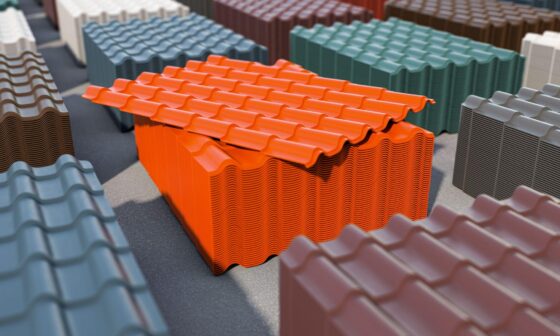
Color harmony plays a huge role in curb appeal. It also affects neighborhood presentation. Dark gray shingles absorb extra heat. They also clash with light clay tile accents. Neutral tones bring cohesion across siding, trim, and rooflines. This creates a unified look.
Texture variations change how light reflects across large exterior surfaces. Slate textures offer rich visual depth. Flat asphalt shingles look more uniform and plain. Matching texture profiles preserves your home’s original charm. It also brings modern performance benefits.
Skipping the Pre-Renovation Inspection
Starting structural work without an upfront assessment opens the door to hidden problems. Uncovering structural decay after mounting new materials wastes time and money. A failed inspection often signals major issues. These include safety risks, stability problems, or reduced structural life.
Unresolved flaws found during property sales often trigger price renegotiations. Buyers may ask for big price drops when inspector reports show roof deck problems or leaks. Professional assessments before starting work ensure solid foundations. They also protect your home value.
Inspectors test framing strength, sheathing rot, and support beams thoroughly. Early detection lets crews fix rotten wood before laying new layers. Good inspection reports keep remodeling schedules on track. They also prevent financial surprises down the road.
Overlooking Attic Ventilation Needs
Proper air circulation protects internal framing from heat and moisture. Sealed attics trap warm air under the roof deck. This bakes exterior materials from the inside out. Balanced intake and exhaust vents lower attic temperatures during extreme weather.
Poor ventilation systems cause severe structural issues over time:
- Trapped moisture creates mold on wooden attic framing.
- Heat buildup curls asphalt shingles and shortens their lifespan.
- Ice dams form in cold seasons when heat escapes through unvented roof ridges.
- Utility bills spike as cooling systems work harder against trapped hot air.
Soffit vents draw cooler outdoor air upward through structural eaves. Ridge vents along the top let rising heat escape naturally. Combining intake and exhaust pathways protects wooden supports. It also keeps home interiors comfortable year-round.
Check your attic ventilation every year. Look for signs of moisture or mold. Feel for excessive heat in summer. These checks catch problems early. Small fixes now prevent big repairs later.
Some homes need more vents. Your roofer can calculate the right amount. Every home has different ventilation needs. A professional assessment helps determine what’s best.
Underestimating Storm Water Drainage Systems
Directing rainwater away from exterior walls is a critical step. Outdated or undersized gutters overflow during heavy downpours. Water spills along house foundations. This causes expensive structural settling that costs thousands to fix.
Seamless aluminum gutters offer better leak protection than standard sectional vinyl channels. Heavy rainfall needs wide six-inch downspouts to handle sudden runoff. Proper slope along gutter lines guides water toward ground-level drainage pipes.
Gutter guards prevent leaves and twigs from blocking water flow during autumn. Clogged channels back up under roof edges. This soaks fascia boards and causes timber rot. Clean drainage lines protect fresh exterior paint. They also keep foundation soil stable.
Consider underground drainage pipes too. These carry water far from your home. They prevent pooling near foundations. This added protection is worth the extra cost.
Clean your gutters twice each year. Remove leaves, twigs, and debris. Check for proper water flow during rain. Regular maintenance prevents blockages and damage.
Cutting Corners on Insulation Materials
Upgrading visible finishes without improving structural insulation creates inefficient living spaces. Low insulation allows heat transfer through ceilings. This raises monthly power costs. Good thermal barriers maintain indoor temperature control no matter the weather outside.
Spray foam insulation seals gaps around wooden rafters and electrical cutouts. Blown cellulose provides deep coverage across open attic floor joists. Good insulation with vapor barriers prevents internal condensation problems.
Modern energy codes need the smallest thermal resistance ratings. Investing in high-performance insulation pays back its cost through reduced utility bills. Comfortable indoor environments improve daily living quality. They also boost home resale value.
Different areas need different insulation types. Attics need thick, fluffy materials. Walls need dense, compact options. Crawl spaces need moisture-resistant products. Match the insulation to each space in your home.
Check your local energy codes before buying insulation. Your contractor should know the requirements. Following codes ensures your home stays comfortable. It also helps avoid fines or rework.
Hiring Unlicensed or Uninsured Contractors
Choosing low-bid contractors without proper licensing creates legal risk. Uninsured workers injured on site may sue property owners. They could seek medical expenses and lost wages. Valid liability insurance protects homeowners from accident damages.
Licensed professionals follow municipal building codes and safety standards. Inspectors verify contractor credentials before issuing permits. Working with certified teams ensures high craftsmanship across every project phase.
Written contracts must state payment schedules clearly. They should include material specifications and project completion dates. Detailed scope descriptions prevent mid-project price increases. Verifying contractor licensing online protects your finances before work starts.
Ask for proof of insurance before hiring anyone. Check both liability and workers’ compensation. Call the insurance company to verify coverage. This simple step protects you from huge liability.
Read online reviews before selecting a contractor. Look for recent projects like yours. Contact past clients to ask about their experience. This research helps you make a confident choice.
Skipping Permit Papers
Major structural renovations without local permits lead to costly fines. Code authorities can halt work. This continues until someone files and reviews the proper documentation. Unpermitted work creates legal hurdles when selling property later.
Building codes set safety standards for wind resistance and fire safety. They also cover structural support weight. Official inspections confirm installed materials meet local rules. Documented permits prove that renovations followed all legal safety standards.
Permit processes need detailed construction plans before work starts. They also need material approval sheets. Certified contractors often handle permit applications directly. Securing proper permits preserves property value. It guarantees legal compliance for all renovations.
Some homeowners try to avoid permits to save money. This backfires badly. The fines often exceed permit costs. Buyers may walk away from a sale. Always get proper permits.
Forgetting Upkeep Costs
Every exterior material needs ongoing maintenance. This preserves appearance and structural performance. Wood shakes need periodic stain treatments and mold preventatives. Selecting low-maintenance materials reduces long-term work for busy homeowners.
Metal panel systems need less upkeep than wood shakes or clay tiles. Occasional surface rinsing removes dust, salt spray, and debris. Understanding maintenance needs helps homeowners choose materials that match their lifestyle.
Routine inspections find loose fasteners early. They also spot cracked sealant or damaged flashing. Fixing small issues quickly prevents water from entering walls. Setting aside an annual maintenance budget protects your investment over time.
Different materials have different life expectancies. Asphalt shingles last 20-30 years. Metal roofs last 40-70 years. Clay tiles can last over 100 years. Consider longevity when making choices.
Create a maintenance schedule for your home. Note when each component needs inspection. Set calendar reminders for routine checks. Staying on schedule prevents expensive problems.
Poor Budget Planning for Surprises
Unexpected issues often pop up after demo. Finding hidden rot or damage needs quick cash. Setting aside 15% of the budget covers these.
Tight budgets with no backup force bad choices. Running out of cash leads to delays or cheap fixes. Backup funds keep work going without lost quality.
Detailed estimates cut money stress before work starts. Itemized quotes list labor and fees. They also show material costs. Good plans make jobs less stressful.
Get several bids before picking a builder. Compare prices and scope. Don’t always pick the low bid. Balance cost with quality and name.
Track spending during the job. Compare real costs to estimates. Adjust your budget as needed. Staying on top of cash stops surprises.
Upgrades That Hurt Resale Value
Going too bold in outside work can turn off buyers. Wild colors or odd changes often lower appeal. Classic styles give better returns.
Upgrades should match your area’s quality. Fancy roofs on small homes rarely pay back. Balanced jobs boost appeal. They stay competitive in local pricing.
Green upgrades draw green buyers. They want low-cost homes. Solar-ready roofs and good insulation are hot items. Smart picks boost daily life. They also give good returns.
Study your local home market. See what buyers want near you. Ask local agents. Their tips guide your choices.
Think about how long you’ll stay. Short-term owners should think resale. Long-term owners can pick their taste. Match choices to your time.
New Shingles Over Old Bad Layers
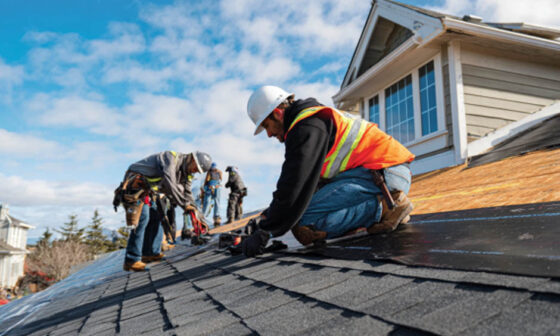
Nailing fresh shingles over old degraded layers shortens their lifespan. Double layers trap heat and block proper dissipation. The extra weight strains roof trusses and support framing.
Complete tear-offs let crews inspect plywood decking for problems. They check for soft spots, mold, and rot. Replacing damaged plywood creates a flat, solid foundation. Clean deck surfaces ensure proper nail engagement. They also provide most wind uplift resistance.
Underlayment membranes stick securely to bare wooden decks. They form watertight protective seals. These barriers protect vulnerable eaves and valleys from rain. Starting with a clean deck extends system performance for decades.
Bad Flashing at Roof Openings
Metal flashing seals spots near chimneys. It also guards vents and wall joints. Old rusty flashing lets water in. New metal stops leaks at these spots.
Bad step flashing lets water get behind siding. Pros put metal sheets between shingle rows. This sends water out and away. Good flashing guards ceilings from stains.
Good sealant around pipes stays tight through heat changes. Cracked seals let water into attic insulation. Regular flashing checks keep roof seals safe in rain.
Flashing costs little vs. water harm. A small leak can ruin insulation and drywall. It can also cause mold and rot. Pay for good flashing and pro install.
Check flashing after big storms. High winds can loosen metal. Falling limbs can dent or move it. Fast fixes after storms stop bigger issues.
Rushing Material Choices
Rushing through samples often gives bad results. Full install shows colors you don’t like. Ordering samples lets you check colors in real light. Testing goods in different weather helps you pick right.
Key points to check before you buy:
- Weight limits for your roof frame.
- Fire ratings for local rules.
- Wind lift ratings for local storms.
- Maker warranty length and terms.
Taking time to compare samples in real light stops color mismatches. Catalog shots rarely show true sheen or color tones. Careful picks lead to upgrades that boost your home.
Final Thoughts for Your Home Jobs
Good upgrades come from research, quality goods, and skilled crews. Skipping common errors guards your money. It also builds strong, nice living spaces.
Acting now gives long-term comfort and safety. It also keeps home value for years. Start reviewing your plans today. Make your home vision real.
Remember, no job is perfect. Surprises will pop up. Stay calm and patient. Work with your builder to fix issues. A good mood makes everything better.
If you’d like to learn more, check out more articles on our blog.