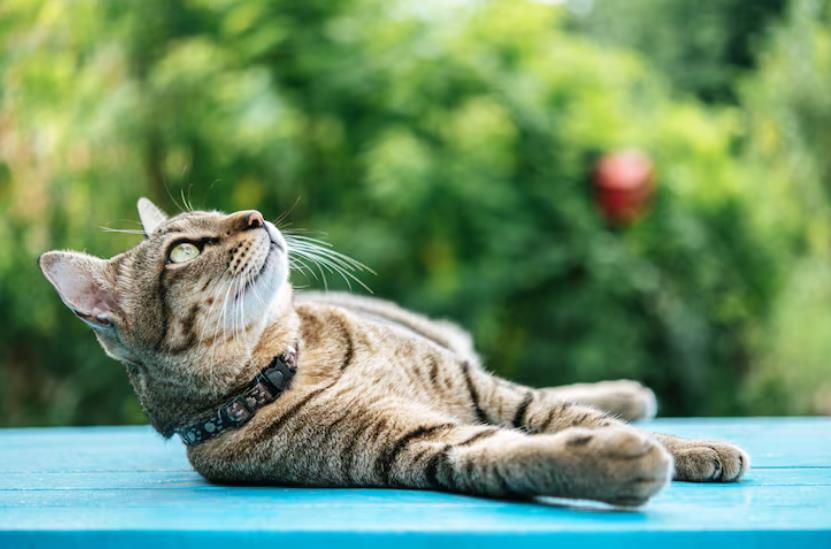
Just seeing a cat around you doesn’t make you a sincere and caring pet owner. Raising it is an actual rewarding experience. It brings moments of joy, companionship, and a little bit of chaos into your life.
Planning to bring home a playful kitten? Or just want to adopt a calm senior? In both cases, their long-term health and happiness relies on how you care for them.
If you’re unsure of how to ensure your feline care and that your new family member thrives, this guide will break down the top eight tips.
Let’s check them out.
Secure a Proper Diet and Hydration
Cats are obligate carnivores. It implies they need animal protein to thrive. So, opt for a high-quality, nutritionally balanced commercial food designed for their specific life stage (kitten, adult, or senior).
It’s your responsibility to ensure they have constant access to fresh, clean water, as cats are prone to dehydration.
According to most veterinarians, it’s crucial to incorporate wet food to boost hydration—that’s what supports cats’ kidney health.
Create a Safe Sanctuary
Before you bring a cat home, set up a “sanctuary room”—a small, quiet space with a bed, food, water, and a litter box.
As a new cat owner (新手養貓), allow your feline friend to explore at their own pace. This will reduce anxiety and build trust.
In addition, you should cat-proof your home. Don’t know how? First, remove toxic houseplants, then secure electrical cords.
Don’t forget to hide small objects that could be swallowed. The more well-organized your home is, the more freely your cat will move, without any hazard.
Master the Litter Box Routine
Cats are instinctively clean and can be trained easily. However, they demand a clean litter box. That’s why it’s vital to place the box in a quiet, accessible location. It must be away from their food and water.
The general rule of thumb is one box per cat, plus one extra. On a regular basis, scoop and thoroughly clean the box. That way, you will better prevent “accidents” outside the tray.
Provide Mental and Physical Stimulation
It’s important to know that even indoor cats need to fulfill their hunting instincts. In light of this, consider rotating toys every few days to keep them engaged. With feather wands, laser pointers, or puzzle feeders, you can keep your cat physically active and mentally sharp.
To let them climb, hide, and observe their territory safely, provide vertical spaces such as cat trees or window perches. In all these exceptional ways, you’ll reduce your cat’s stress and ensure it remains active.
Regular Grooming and Health Checks
Cats can groom themselves. However, there’s still a need to brush them regularly. This reduces hairballs and matting.
Take advantage of this time to inspect for skin issues, parasites, or lumps. Make it a habit to trim their nails every 2 to 3 weeks. This will prevent them from becoming overgrown or damaging furniture.
Offer Essential Scratching Outlets
The most necessary behavior for stretching, marking territory, and removing the outer layer of claws is scratching. Therefore, protecting your furniture is essential.
Wondering how you can do so? The best way is to provide sturdy, tall scratching posts (at least 30 inches) or cardboard scratchers.
Let’s assume your cat is ignoring the post. In that scenario, placing it near their favorite resting spot or rubbing catnip onto it is worth trying.
Maintain Regular Veterinary Care
Like many humans, cats are masters at hiding pain. But it doesn’t mean they don’t feel pain or discomfort.
As a caring pet owner, you should schedule annual check-ups to prevent illness. Ensure your cat stays up to date on vaccinations.
Focus on preventing parasites for fleas, worms, and ticks. Essentially, if done before five months, spaying or neutering will not only prevent unwanted kittens but also reduce the risk of certain cancers.
Show Daily Love and Patience
Bonds do not build overnight; they take time. If you want a strong bond with your cat, spend at least 15 to 30 minutes daily playing with or cuddling it.
Invest time in learning how to read their body language. A slow blink or a head bunt shows your cat trusts you. On the contrary, a flicking tail may mean they need space.