The Expanding Role of Dog Ownership Responsibility
Dog ownership in the United Kingdom has evolved far beyond companionship. It now intertwines with legal, financial, and social responsibility. A dog can bring joy, but it can also bring unforeseen turmoil if it causes harm or damage. As ownership grows and as stricter laws reshape animal control, the concept of liability protection has moved to the forefront of pet welfare and professional safety.
Public liability insurance for dogs is no longer a mere paperwork formality. It has become a safety harness for daily life, shielding owners and professionals from the unpredictable world of animal behavior. Whether you are a casual owner or make your living with pets, understanding how insurance operates within UK law is essential to safeguarding your personal and professional future.
The Legal Groundwork Shaping Liability
The Animals Act 1971 establishes keeper liability for animal-related injuries and property damage. Strict responsibility in the UK allows claims even without negligence. This legal doctrine holds that animal ownership gives you control and risk management.
Practicing “strict liability” can be harsh. A playful jump that knocks someone down or a startled bark that sends a cyclist into traffic can result in serious claims. Many courts define “likely damage” broadly, leaving dog owners vulnerable. Such incidents can devastate households and small businesses financially.
Liability insurance addresses this fragile gap between intent and outcome. It reduces uncertainty into manageable risk by covering third-party harm or property damage, typically including legal costs. With rules tightening on specific breeds and professional licenses expanding, possessing evidence of coverage has changed from wise choice to critical requirement.
Professional Risks in the Pet Industry
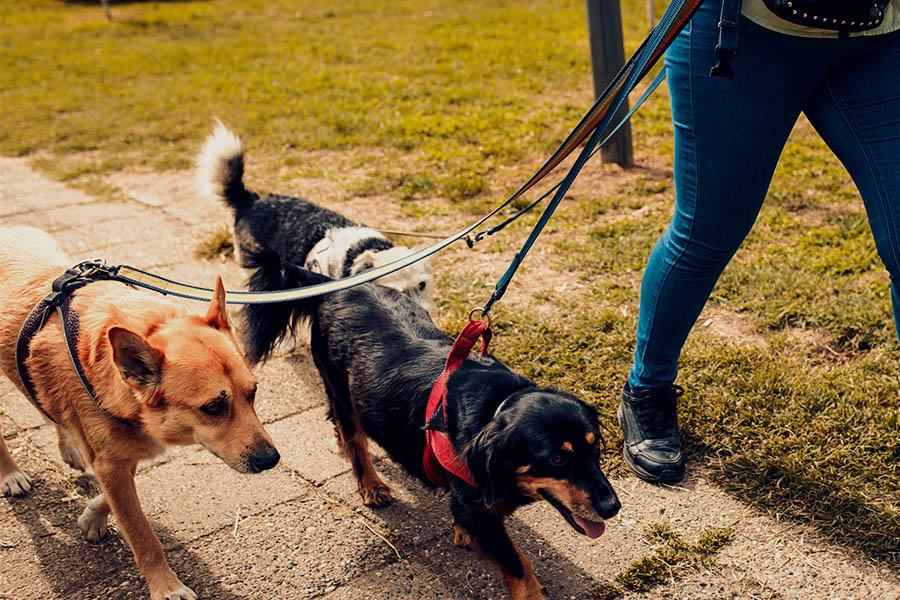
Professionals have an even more complicated landscape. Groomers, dog walkers, trainers, and home boarders often care for other dogs. Each dog’s temperament and environment vary. The expert must balance animal safety, client happiness, and local requirements.
Commercial occurrences are usually excluded by domestic pet policies. Professional policies must identify “care, custody, and control”. This idea recognizes that you are morally and financially responsible for a dog under your care. Quality professional insurance covers the animal during this time, protecting against injuries and accidents.
Comprehensive professional cover exceeds licensing requirements. It maintains trust. Businesses prosper when clients trust their dogs to experienced, insured hands. The proper policy becomes a credibility asset rather than an expense.
The Impact of Breed-Specific Legislation
Recent legislative moves have rewritten large parts of the liability conversation. The introduction of the XL Bully regulations intensified scrutiny of certain breeds. Owners of exempted dogs must now maintain public liability insurance as a permanent condition of ownership.
This shows how policy changes to address societal fear and public safety. The implications go beyond bullies. It indicates that current British liability is as much social as legal. High-risk breeders face emotional and administrative challenges.
Specialist insurers have created policies that handle these new duties. They protect thousands of ethical breeders by covering breeds typical insurers shun. Behind every element in these personalized policies is an ethical statement: responsible dedication should not be punished by limited possibilities.
Balancing Price and Protection
When it comes to insurance, many owners fixate on cost. The temptation to secure the lowest premium can overshadow consideration of coverage depth. Low-cost packages sometimes carry fragile terms, hidden breed exclusions, or low payout limits. A discount now can become a financial pitfall later.
Quality insurance, on the other hand, understands the price of peace of mind. High cover limits safeguard against catastrophic incidents, and transparent policies remove unpleasant surprises when filing claims. The difference between an average policy and a specialist one often emerges only when life takes an unexpected turn.
Trust in an insurance is built through service, especially during a claim. Claims records show if a company’s promises are credible. Strong payout records represent more than numbers; they represent a culture of reliability that helps clients through difficulty.
The Broader Effects on Public Confidence
Dog owners and the public benefit from good insurance practices. When incidents can be handled responsibly, neighborhoods feel safer. When licensed professionals have clear insurance standards, councils run better.
Reverberations spread throughout the pet business. High professional standards boost consumer confidence, stabilizing business operations. Pet insurance culture runs through the UK economy without being obvious. Certificates and policies are silent promises between professions, clients, and the community.
Navigating Insurance for Evolving Lifestyles
Modern pet ownership goes beyond walking and feeding. Road excursions, workplace visits, rehabilitation, and performance events now include dogs. Each venture creates new liabilities. Complex exposure is rarely covered by standard domestic insurance.
A policy for general households can break under professional or semi-professional demands. Flexible goods that represent home and work life are needed when personal and corporate use overlap. Strong policies protect the journey as a canopy and compass.
Preparing for the Unexpected
Predictability is an illusion; true preparedness is knowing that. Even the kindest pet has millennia-old instincts. A loud sound, flash of movement, or unfamiliar smell can cause primal reactions.
Legal and financial systems ignore these reactions’ emotional nuance. They only deal with results. Insurance bridges natural behavior and human responsibility. It turns emotional chaos into structured resolution, making pet-human relationships less scary.
FAQ
What does strict liability mean for dog owners in simple terms?
Even if you were not negligent, strict responsibility holds you responsible for dog-related injuries or damage. The law thinks that maintaining an animal entails dangers, thus you must pay for its acts.
Why is professional dog insurance different from personal pet cover?
Professional insurance recognizes that a person may be paid to handle someone else’s animal. It includes protections that ordinary pet insurance excludes, such as coverage during grooming, walking, or boarding. It may also provide compensation if the dog itself is injured while under the professional’s supervision.
How has the ban on XL Bully dogs affected liability insurance?
Exempted XL Bully owners must always have public liability insurance. Legal standards for injury or death coverage must be met. This rule is part of the ownership license and shows how public safety laws affect private insurance.
Is liability insurance required for all dogs in the UK?
No law mandates insurance for every dog, but financial responsibility still applies under the Animals Act. Many councils, however, make insurance mandatory for professional licences, such as home boarders or daycare operators. For everyday owners, it remains a voluntary but highly recommended safeguard.
How can owners assess the quality of a liability policy?
Owners should check restrictions, exclusions, and claims. A transparent insurer will list coverage and exclusions. Reviewing claims payout performance can indicate reliability. Plain language policy documents and high coverage limitations indicate long-term value.
Does pet insurance automatically include third-party liability?
Not always. Some comprehensive “lifetime” policies include it, while others omit it entirely. It is important to check the product details rather than assume inclusion. For professionals, a dedicated business-oriented policy is almost always required to achieve full protection.
What role does public liability insurance play in community relations?
It reassures the public that dog owners and professionals can handle incidents responsibly. It cushions both parties from drawn-out disputes and encourages trust between pet owners, neighbours, and local authorities. Insurance therefore becomes a silent but strong foundation for social harmony in shared spaces.