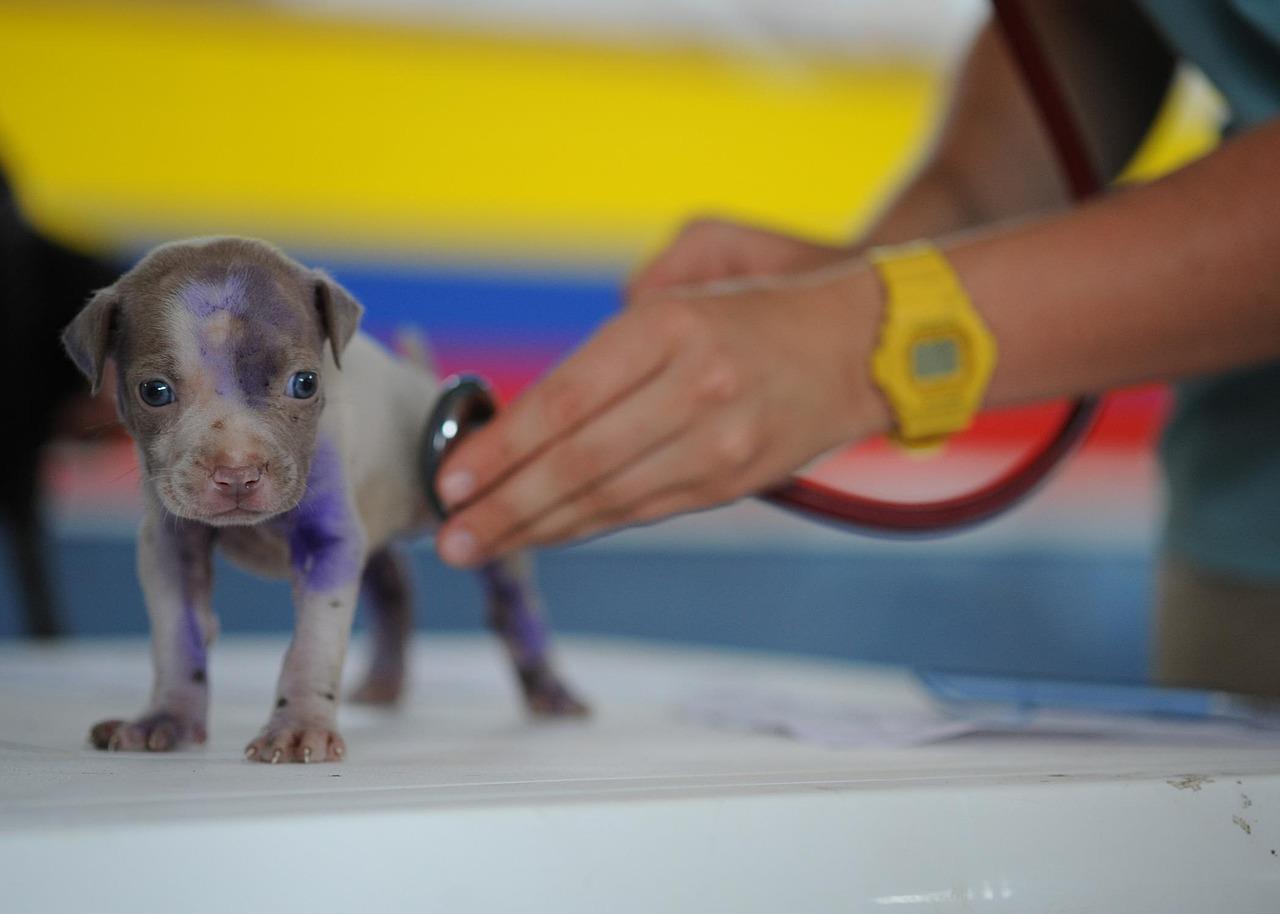
Every pet parent wants the same thing. A happy healthy animal who lives a long, long life.
But most people don’t understand…
Just like human beings, dogs and cats go through different stages of health as they age. The care a bouncing 8 week old pupper needs is vastly different than what you’d provide to a wise 10-year-old dog. Ignoring your pet’s life stage is one of the easiest ways to screw up their care.
And it can get expensive.
Veterinary care costs increased 6.4% from June 2023 to June 2024, the largest increase of any pet-related expense during that timeframe. So pet owners are increasingly looking to pet insurance ahead of health problems. Finding the best pet insurance companies ahead of time — and before your pet enters a new life stage with unique risks — is one of the smartest financial moves you can make.
Here’s what we cover:
- The Puppy & Kitten Stage
- The Adult Stage
- The Senior Stage
- Why Life Stage Matters for Pet Insurance
- How to Match Coverage to Each Life Stage
The Puppy & Kitten Stage (0–1 Year)
Welcome to wonderland.
This is, by far, the most medically-intensive stage of your pet’s life.
Here’s why: vaccinations, parasite prevention, spay/neuter surgery, and wellness checks all happen within a puppy/kitten’s first year. Add in the innate clumsiness of babies discovering the world and you’ve got a recipe for accidents.
Most common health concerns at this age include:
- Parvo/distemper (dogs)
- Upper respiratory infections (cats)
- Worms/intestinal parasites
- Scrapes, cuts, and bruises
Really, the focus here is just preventative care and vaccines. Setting up a vet schedule during week one isn’t optional — it dictates your pet’s whole health journey down the road. Sticking to that schedule is your biggest responsibility as a pet owner. Your pet’s health at later stages is determined by veterinary care at this stage.
Pet health insurance won’t play a huge role at this stage. But enrolling in a solid accident and illness plan now ensures you’ll be paying the lowest possible premium for the rest of your pet’s life. Waiting until an illness or accident occurs guarantees it’ll be considered “pre-existing” and denied by your insurer.
The Adult Stage (1–7 Years)
Welcome to the status quo.
Adult animals are the goldilocks zone. Things are easy. Vet visits aren’t as frequent, there are no huge procedures scheduled. Major vaccinations are out of the way. Their bodies have fully developed and serious illness is unlikely.
But that doesn’t mean you should skip checkups.
Annual wellness exams, teeth cleanings (emphasis on the underserved dental crowd out there), weight management, heartworm prevention, and the like should be a regular part of every adult pet’s routine.
Many adult conditions are also breed-specific. Large breed dogs are susceptible to hip dysplasia. Certain cat breeds develop urinary health issues as they get older. Researching your breed will allow you to spot and stop potential health issues before they start.
Dental care is another big one. Most pets will exhibit symptoms of dental disease by the time they’re three years old, according to the American Veterinary Medical Association. Left untreated, dental disease can lead to heart, kidney, and liver damage. Annual cleanings are an absolute must.
Pet health costs at this stage will likely be the most predictable. That doesn’t mean cheap. Routine cleanings, flea/tick prevention medications, vaccinations, and run-of-the-mill accidents (looking at you swallowed tube sock incidents) can burn a serious hole in your wallet.
The Senior Stage (7+ Years)
Here’s where it gets real.
Pets age faster than you think. Seriously. Today’s animals are living twice as long as they were 40 years ago due to better care and veterinary advances. That means we have seniors developing ailments that just weren’t seen 20 years ago.
Senior pet healthcare is more intensive. Twice-yearly vet visits are recommended. Blood work, urine samples, and blood pressure screenings are common to catch diseases in their infancy. More advanced diagnostics will be needed as they age.
Among the most common conditions you’ll see:
- Arthritis & joint disease
- Kidney disease & liver disease
- Cancer
- Cognitive decline (yup, pets can get dementia)
- Diabetes
- Heart conditions
Preparing for this stage now is critical. Over one-third of pet owners delayed or avoided veterinary care because of cost in a recent survey. You can imagine how painful that statistic is when we’re talking about senior pets. Because senior care is costly, starting preventative care and insurance early cannot be stressed enough.
Early diagnoses are far less expensive to treat than advanced cases. This is also the stage where pet insurance really shines.
Why Life Stage Matters for Pet Insurance
Pet insurance isn’t static.
Your puppy plan should look different than your senior plan. Accident/illness coverage is the priority early on. You may want to add dental and wellness riders as they enter adulthood. Chronic coverage and specialist visits are a big deal for seniors.
The biggest mistake owners make is waiting until after a pet becomes ill to buy insurance. By that point, that condition is excluded from coverage. Get them enrolled young, then tailor your coverage as they age.
Few things to consider when researching coverage for each stage:
- Puppies/Kittens: Accidents and illness plans that don’t exclude accidents based on a waiting period.
- Adult Pets: Standalone dental plans and coverage for hereditary conditions should be researched during this stage.
- Seniors: Chronic condition coverage, specialist visits, and diagnostic testing should be a priority.
Keep in mind that almost 5.7 million pets were insured in America by the end of 2023. That’s a 17% increase from the year prior. Owners are starting to realize that matching coverage to their pet’s life stage is incredibly important.
Before You Go
Hope you enjoyed our overview of pet health by life stage.
There’s lots of moving parts throughout your pet’s lifetime. Knowing what to expect — from shots and wellness checks as a baby to Grandma’s diabetes diet in your pet’s golden years — is half the battle. Adjusting your finances, vet schedule, and pet insurance coverage accordingly is what sets a proactive pet parent apart from a reactive pet parent.
Let’s recap:
- Puppies/kittens require intensive care in their first year.
- Adult pets need annual care with a focus on dental health.
- Senior pets develop chronic illnesses that need to be managed.
- Pet insurance should be acquired as young as possible.
The easiest time to think about life stage planning is before your pet needs that care. The second easiest? Right now.