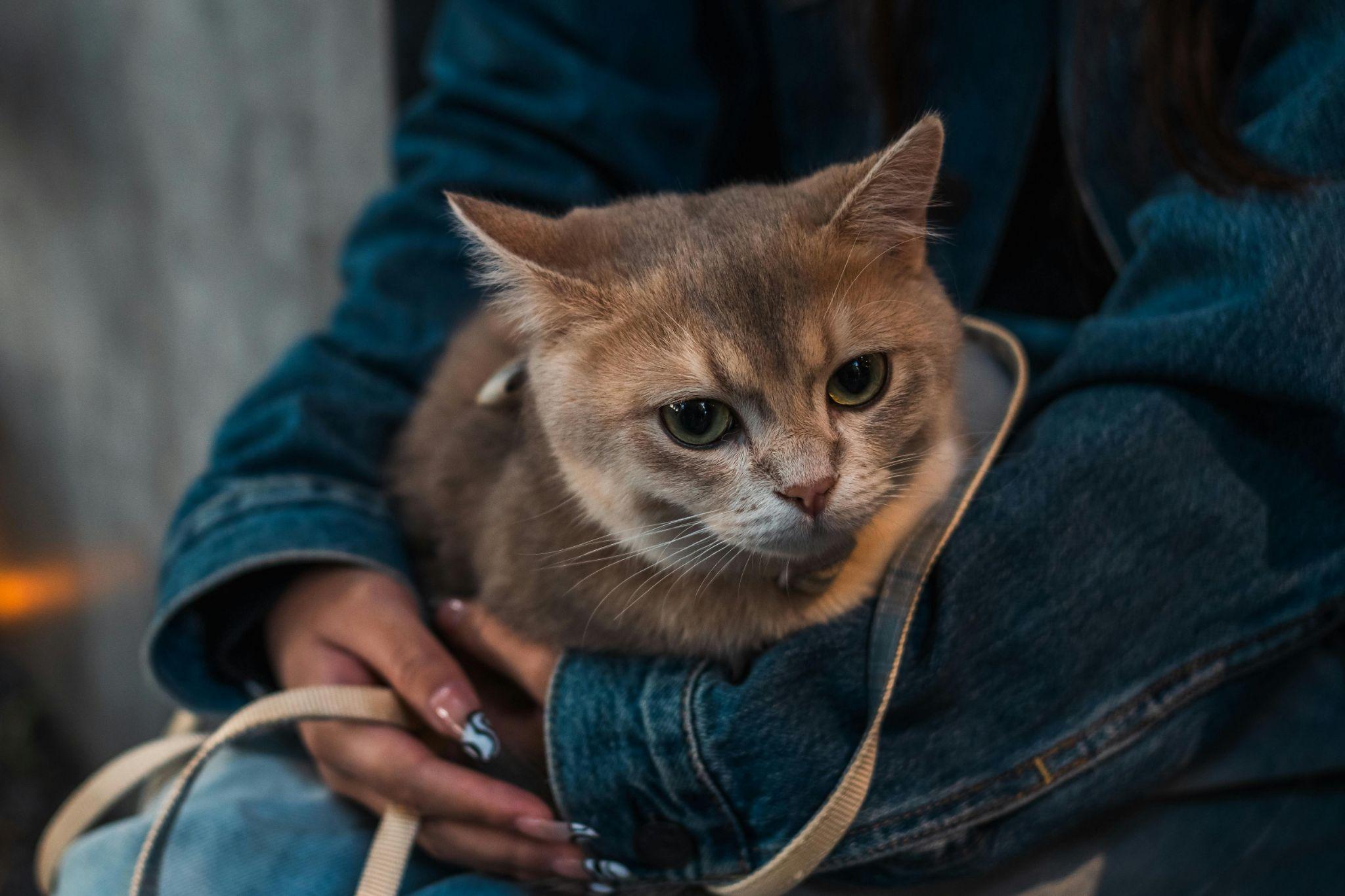
Leaving your cat behind when you travel is never easy. Even if your trip is short, it can still bring a bit of worry. Cats are creatures of habit, and any change in their routine can make them feel uneasy. Some cats handle it well, while others may show clear signs of stress. The good news is that with a little planning, you can help your cat stay calm and comfortable while you are away.
This guide will walk you through simple and practical ways to reduce separation anxiety in cats so both you and your pet can feel more at ease.
Choosing the Right Care Option for Your Cat
One of the first things to think about is who will take care of your cat while you are away. Some owners ask a friend or neighbor, while others prefer hiring a professional sitter or using a boarding facility. Each option has its own benefits, but what matters most is your cat’s comfort and safety.
Many pet owners find that professional cat overnight care works well because it offers a structured environment with trained staff. Cats receive regular feeding, clean spaces, and attention, which can help them feel secure. Before choosing any option, take the time to visit the place or meet the caregiver. Look for a calm setting, ask about their experience, and make sure they understand your cat’s needs. A little research up front can make a big difference in your cat’s experience.
Keep Your Cat’s Routine as Normal as Possible
Cats thrive on routine. They like knowing when they will eat, play, and rest. When you travel, keeping this routine as close to normal as possible can help reduce anxiety.
If someone else is caring for your cat, share clear instructions about feeding times, portion sizes, and play habits. Even small details, like when your cat likes attention or quiet time, can matter. The more consistent things stay, the less your cat will feel the change. Routine brings a sense of control, and that helps cats feel safe.
Create a Comfortable and Familiar Environment
Your cat feels most secure in a familiar space. Whether they stay at home or in a boarding facility, try to surround them with items they recognize.
Pack their favorite blanket, toys, or even their usual food bowl. These familiar objects carry scents that comfort your cat. You can also leave behind something that smells like you, such as a worn shirt. This can provide reassurance and make your absence feel less noticeable. Small touches like these can go a long way in helping your cat relax.
Introduce Changes Gradually Before You Leave
Sudden changes can make cats feel stressed. If your cat will be staying somewhere new or with a new person, try to introduce them slowly.
For example, you can arrange short visits with the caregiver before your trip. If your cat will be boarding, a brief stay ahead of time can help them get used to the environment. Practicing short separations at home can also prepare your cat. Start by leaving for a few hours, then slowly increase the time. This helps your cat learn that you will always come back.
Keep Your Cat Mentally and Physically Engaged
A bored cat is more likely to feel anxious. Keeping your cat engaged can help distract them from your absence.
Provide interactive toys, scratching posts, or puzzle feeders that make mealtime more interesting. If your cat enjoys watching the outdoors, a window perch can keep them entertained. Ask the caregiver to spend a few minutes each day playing with your cat. Regular activity helps release energy and keeps your cat’s mind occupied, which can reduce stress.
Use Calming Aids if Needed
Some cats may need a little extra support when their routine changes. Calming products can be helpful in these cases.
Options like pheromone diffusers, calming sprays, or special treats are designed to create a relaxing environment. These products are easy to use and can make a noticeable difference for anxious cats. It is always a good idea to check with your veterinarian before trying something new. They can guide you toward safe and suitable options based on your cat’s needs.
Avoid Making Departures and Returns Too Emotional
It is natural to feel emotional when leaving your pet, but cats can pick up on your energy. If you make a big deal out of leaving, your cat may sense that something is wrong.
Try to keep your departure calm and simple. Go through your usual routine without adding extra attention right before you leave. The same goes for when you return. Greet your cat warmly, but avoid overwhelming them. A relaxed approach helps your cat adjust more easily.
Stay Connected While You’re Away
Even though you are not there, it can still help to stay updated on your cat’s well-being. Ask your caregiver or boarding facility to share updates, photos, or short videos.
Seeing that your cat is eating, playing, and resting comfortably can give you peace of mind. It also allows you to catch any issues early if something seems off. Staying informed helps you feel connected, even from a distance.
Watch for Signs of Stress
Cats often show stress in subtle ways, so it is important to know what to look for. Common signs include hiding, reduced appetite, excessive grooming, or unusual behavior.
If your caregiver notices any of these signs, they should let you know right away. Early action can prevent small issues from becoming bigger problems. Make sure your caregiver knows your cat’s normal behavior so they can spot any changes quickly.
Taking steps to prepare before your trip can make a big difference in how your cat feels while you are away. By choosing the right care option, keeping routines steady, and creating a familiar environment, you can help your cat stay calm and comfortable. Every cat is different, so it may take a little time to figure out what works best. With patience and planning, you can travel with confidence, knowing your cat is safe and well cared for.