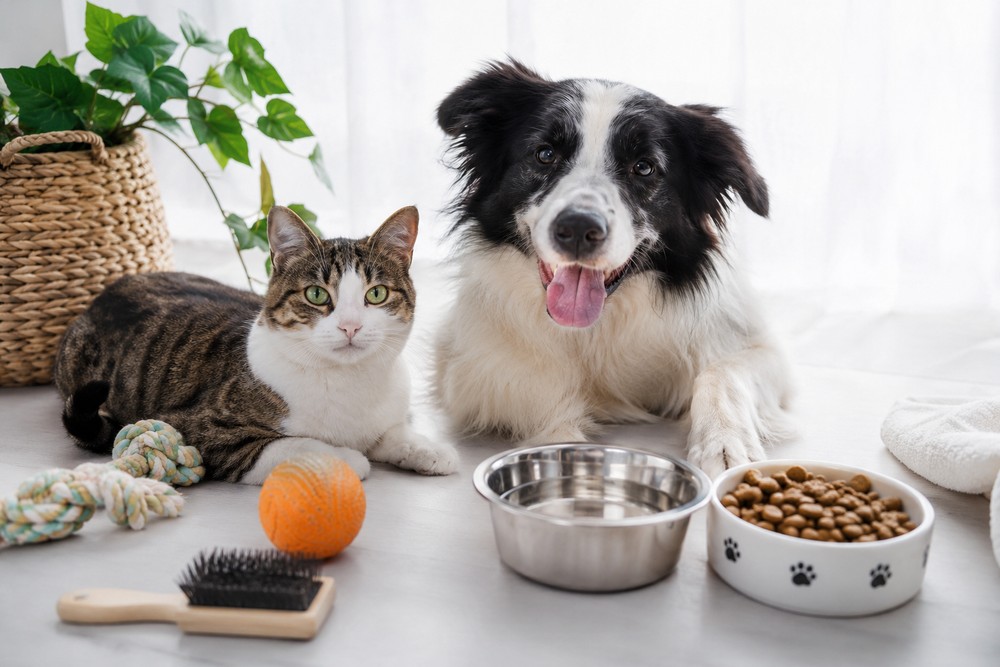
Pet owners want their furry friends to feel healthy, happy, and comfortable. When a pet seems stressed, tired, or unwell, natural remedies may seem like a gentle solution. However, not every natural product is safe for animals.
Cats and dogs have different needs, and their bodies react to certain ingredients in different ways. A product that is safe for people may harm pets. Learning about natural care can help you make safer choices.
From healthy food to calming routines, there are many ways to support your pet’s well-being. The key is knowing which methods help and when professional care is needed.
Understand What Natural Pet Care Really Means
Natural pet care focuses on habits and products that support an animal’s health. This may include balanced meals, regular movement, grooming, and a calm home. Some owners also explore plant-based products and supplements.
However, natural does not always mean safe. Certain plants, oils, and foods can be harmful to animals, even in small amounts. Pets may also react differently based on their age and health.
Before trying a new remedy, think about the problem you want to solve. A pet with pain, itching, or sudden behavior changes may need medical care. Finding the cause should always come first.
Explore CBD Products With Extra Care
CBD has become a popular topic among pet owners. It comes from the cannabis plant and appears in oils, treats, and other products. Some companies market these items for pets that seem stressed or uncomfortable.
You may come across CBD oil for cats while exploring natural pet care products. However, there is still limited evidence that CBD is safe or effective for treating health problems in cats. No CBD product is FDA-approved for use in animals.
CBD may cause unwanted effects or interact with other medicines. Some products may also contain THC or harmful substances. Always speak with your veterinarian before considering CBD for your pet.
Support Better Health Through Balanced Nutrition
A healthy diet is one of the best ways to support your pet’s body. Good food provides the nutrients needed for energy, growth, and daily activity. The right diet also helps maintain a healthy weight.
Cats need nutrients that differ from those required by dogs. For this reason, feeding them the same food may cause health problems. Choose meals made for your pet’s species and life stage.
Fresh water should always be available. Watch how much your pet eats and drinks each day, since sudden changes may signal illness.
Avoid adding herbs or supplements to meals without veterinary advice. A complete pet food often provides the nutrients a healthy animal needs. Extra ingredients are not always helpful.
Create a Calm and Comfortable Home
A peaceful setting can help pets feel safe. Loud noises, unfamiliar visitors, and sudden changes may cause stress. Some animals also become upset when their daily routine changes.
Give your pet a quiet place to rest. Soft bedding, familiar toys, and a comfortable temperature can make this space more inviting.
Try these simple calming habits:
- Keep feeding times consistent
- Provide quiet resting spaces
- Use gentle play activities
- Reduce sudden loud noises
- Respect your pet’s boundaries
Be Careful With Essential Oils and Herbs
Essential oils are common in homes, but many can be dangerous for pets. Cats are especially sensitive to certain oils. Exposure may cause vomiting, weakness, or breathing problems.
Never apply essential oils directly to your pet’s skin or fur. Avoid placing diffusers where animals can reach them. Strong scents may also cause discomfort.
Herbal remedies need the same level of care. Some plants contain substances that pets cannot process safely. Even small amounts may cause serious problems.
Keep oils, herbs, and supplements in secure storage. If your pet swallows a harmful substance, contact a veterinarian immediately. Do not try home treatments without professional guidance.
Encourage Exercise and Mental Stimulation
Regular movement helps pets stay active and maintain a healthy weight. It can also give them a chance to explore their surroundings. The right activity depends on their age, size, and health.
Dogs often enjoy daily walks and outdoor games. Cats may prefer chasing toys, climbing, or exploring indoor play areas.
Mental activities are important too. Puzzle feeders and simple games can keep pets busy and encourage natural behavior.
Try activities that suit your pet:
- Short daily walking sessions
- Gentle indoor hunting games
- Interactive puzzle feeding toys
- Safe climbing and scratching
- Reward-based training sessions
Do not force your pet to continue when they seem tired or uncomfortable. Short, enjoyable sessions are often better than long periods of activity. Make play a positive part of the day.
Use Gentle Grooming to Support Skin Health
Regular grooming helps keep your pet’s coat clean and comfortable. Brushing removes loose fur and may prevent painful tangles. It also gives you a chance to check for skin problems.
Choose grooming tools that match your pet’s coat. Long-haired animals may need more frequent brushing than short-haired pets. Gentle handling can make the process less stressful.
Avoid using human shampoo or homemade skin treatments. Some ingredients may irritate your pet’s skin or cause harm when swallowed during grooming.
If you notice redness, bald patches, or constant scratching, seek veterinary advice. These signs may point to allergies, parasites, or another condition that needs treatment.
Know When Home Remedies Are Not Enough
Natural care methods can support daily comfort, but they cannot treat every health problem. Serious symptoms need prompt medical attention. Waiting too long may allow an illness to become worse.
Contact your veterinarian if your pet stops eating, vomits often, or shows unusual weakness. Trouble breathing, seizures, and collapse require emergency care.
Changes in behavior also deserve attention. A normally friendly pet that begins hiding or acting aggressively may be in pain. Cats that strain to urinate need urgent care.
Build a Safer Wellness Routine for Your Pet
Natural pet care works best when it focuses on simple, healthy habits. Balanced nutrition, regular exercise, gentle grooming, and a peaceful home can all support your pet’s well-being.
Remember that natural products are not always harmless. Professional guidance can help you avoid risky ingredients and choose suitable care.
Want more advice on keeping your pets happy and healthy? Explore our other blog posts for useful tips, simple guides, and practical pet care ideas!