Transforming American Historical Narratives Through Digital History and Audio Storytelling
History is more than just dates and names on a page. It is about the lives, struggles, and triumphs of real people. We have powerful new ways to connect with our past. We can bring these stories to life for new generations.
This is especially true for figures like Nellie Bly. She was a pioneering American journalist. Her bold investigations changed journalism forever. She also pushed for social reform.
This guide explores how we are preserving heritage through digital history and audio storytelling. We will look at how these modern methods can illuminate the careers of important historical figures. We will focus on Nellie Bly’s groundbreaking work. This includes her famous asylum exposé and her record-breaking trip around the world. We will show how her legacy can be powerfully retold through immersive audio experiences, making history both accessible and engaging. Discover how her dynamic journey continues to inspire through innovative approaches to historical narrative, like those found on an audio storytelling platform.
The landscape of historical research and public engagement is undergoing a profound transformation. Digital history and immersive audio are at the forefront of this evolution, offering unprecedented opportunities to connect with primary sources and cultivate historical empathy. By leveraging the power of sound, we can move beyond static texts to create dynamic, narrative nonfiction experiences that resonate deeply with modern audiences. This approach is particularly potent when exploring the lives of figures like Nellie Bly, whose work as an investigative journalist was inherently dramatic and impactful. We can reconstruct historical moments with vivid detail, allowing listeners to not just learn about the past, but to feel it, fostering a deeper understanding of our shared cultural heritage.
Archiving 19th-Century Journalism in the Digital Era
Elizabeth Cochran, better known by her pen name Nellie Bly, burst onto the journalism scene in an era when women reporters were largely relegated to society pages. Her journey began in 1885 at the Pittsburgh Dispatch after she penned an impassioned letter, signed “Lonely Orphan Girl,” in response to a sexist column titled “What Girls Are Good For.” This bold act caught the attention of editor George Madden, who offered her a job. It was Madden who suggested the pen name “Nellie Bly,” a misspelling of Stephen Foster’s popular song “Nelly Bly,” inadvertently tying her to Pittsburgh’s cultural heritage.
Her early work at the Dispatch quickly demonstrated her unique approach to journalism. She immersed herself in the lives of working-class women, exposing the harsh realities of factory conditions, low wages, and inadequate housing. This was pioneering labor reporting, laying the groundwork for what would become known as muckraking journalism. Digitization efforts of historical newspapers, like the Pittsburgh Dispatch, are crucial for preserving these primary documents. They allow researchers and enthusiasts to access Bly’s original articles, providing direct insight into her fearless early career and the societal issues she championed. Without these digital archives, much of the nuanced detail of 19th-century investigative journalism would remain inaccessible, hindering our ability to fully appreciate the roots of modern reporting.
Reimagining Nellie Bly’s Investigations for Modern Listeners
Nellie Bly’s most famous investigation, “Ten Days in a Mad-House,” stands as a monumental achievement in undercover reporting. In 1887, she feigned insanity to gain admission to the Women’s Lunatic Asylum on Blackwell’s Island in New York. Her goal was to expose the conditions within, a task she executed with chilling precision. For 10 days, she endured and documented the horrific abuses: insufficient clothing, “execrable food,” brutal nurses, and unsanitary conditions. She observed healthy patients, often immigrants or those with language barriers, wrongly committed and subjected to the same cruel treatment. Bly noted how she dropped her “insane” persona almost immediately upon entering, yet most observers, except for one kind physician, still deemed her mad.
Her exposé, published in Joseph Pulitzer’s New York World, sent shockwaves through society. The impact was immediate and profound. Following her detailed report, a grand jury investigation was launched, leading to significant reforms. The budget for New York’s Department of Public Charities and Corrections increased from $1.5 million to $2.34 million, with $50,000 specifically allocated to Blackwell’s asylum. This directly resulted in improved patient care, better food, and the hiring of more competent staff. The asylum itself closed seven years after her exposé.
Reimagining this investigation through audio storytelling offers unparalleled dramatic immersion. Imagine listening to the chilling accounts of her feigned madness, the whispered testimonies of fellow patients, the harsh commands of nurses, and the pervasive sounds of neglect. Acoustic recreation, utilizing sound design and voice acting, can transport listeners directly into the grim reality of Blackwell’s Island, fostering a visceral understanding of the conditions Bly exposed and the courage it took to uncover them. This dramatic approach not only educates but also creates a powerful, empathetic connection to the past, highlighting the enduring relevance of her fight for asylum reform.
Bringing Archival Research to Life with Audio Production
The meticulous process of transforming historical narratives into compelling audio experiences is an art form that blends rigorous archival research with creative sound production. It involves careful sound design to establish atmosphere, skilled voice acting to embody historical figures, and the integration of authentic archival soundscapes to ground the narrative in its historical context. Historical scoring, with period-appropriate music, further enhances the emotional resonance, while well-crafted documentary scripts ensure narrative pacing that keeps listeners engaged. This multi-faceted approach allows us to reconstruct the past not just as a series of facts, but as a living, breathing story.
Best Practices in Digital History and Audio Storytelling
Crafting historically accurate and engaging audio narratives requires adherence to several best practices. Firstly, thorough archival research is paramount. This means delving into primary sources—letters, diaries, newspaper articles, official documents—to gather authentic details and perspectives. For Nellie Bly, this includes her own writings, contemporary newspaper accounts, and records related to the institutions she investigated. Oral history, where available, can also provide invaluable first-hand accounts, though for figures like Bly, we often rely on her written words as her “voice.”
Secondly, script writing must be precise, balancing factual accuracy with compelling storytelling. Every word, every narrative choice, must serve to illuminate the historical truth while maintaining listener engagement. Historical consulting with experts in the period ensures that interpretations are sound and details are correct. Thirdly, production standards are critical. High-quality audio recording, professional voice acting, and nuanced sound design contribute to an immersive experience. The aim is to create an auditory environment that feels authentic to the period, using period acoustics and, where possible, authentic transcripts to guide the dialogue and sound effects. By following these guidelines, we can ensure that digital history and audio storytelling projects, like those found on an audio storytelling platform, not only entertain but also educate with integrity.
Case Study: Recreating the 72-Day Global Journey
Nellie Bly’s audacious circumnavigation of the globe in 1889-1890 was a feat of endurance and a triumph of will, inspired by Jules Verne’s fictional Around the World in Eighty Days. With just two days’ notice, she set off, carrying only a small satchel, a testament to her pioneering spirit and a challenge to Victorian notions of female travel. She completed the journey in a record-breaking 72 days, 6 hours, 11 minutes, and 14 seconds, beating both Verne’s fictional Phileas Fogg and a rival reporter, Elizabeth Bisland, who had set out simultaneously for Cosmopolitan magazine. Bly even met Jules Verne himself during her stop in Amiens, France, who encouraged her to break his fictional record.
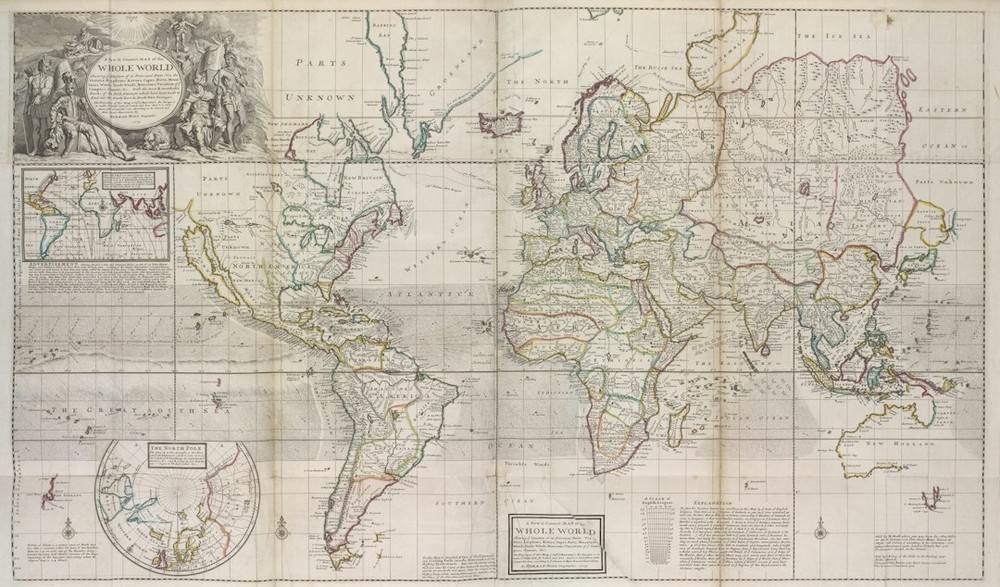
Recreating this epic journey through audio offers a unique opportunity for immersive storytelling. Imagine the sounds of the bustling steamship docks, the rhythmic churn of the ocean, the exotic soundscapes of Port Said, Aden, Colombo, Singapore, Hong Kong, and Japan. Her travel logs and telegraph dispatches, sent back to the New York World, provide a rich narrative backbone. Audio can capture the excitement of her arrival in various ports, the conversations with locals and fellow travelers, and the sheer determination in her voice as she raced against time. We can use sound to convey the challenges she faced, from rough seas to cultural misunderstandings, and the triumphs of each milestone. This auditory recreation transforms a historical event into a thrilling, personal adventure, allowing listeners to experience the world as Bly did in 1889.
Educational and Social Impact of Immersive Historical Audio
The advent of immersive historical audio has profound implications for education and society at large. It moves beyond traditional learning methods, fostering sensory learning that can significantly enhance comprehension and retention. By engaging the auditory sense, these narratives create a more holistic and memorable educational experience. This approach contributes significantly to cultural literacy, allowing diverse audiences to access and understand complex historical contexts and figures. Within the realm of digital humanities, audio storytelling represents a powerful tool for public history, making academic research accessible and engaging for a broader public. It plays a vital role in shaping and preserving our historical memory, ensuring that important stories and lessons from the past continue to resonate in the present.
Engaging Classrooms via Digital History and Audio Storytelling
Integrating digital history and audio storytelling into educational curricula offers a dynamic pathway to enhance student engagement and critical thinking. Unlike passive reading, listening to a well-produced historical narrative can captivate students, drawing them into the past through vivid soundscapes and compelling voice performances. This auditory retention can be particularly effective for diverse learning styles, providing a multi-sensory education that complements traditional textbooks.
Audio allows for direct engagement with primary analysis. For instance, students can listen to dramatized excerpts from Nellie Bly’s “Ten Days in a Mad-House” and then analyze her reporting techniques, the societal issues she addressed, and the immediate impact of her work. This encourages deeper critical thinking about historical evidence and journalistic ethics. We can create interactive lessons where students not only consume historical audio but also produce their own, researching local history and crafting narratives. This hands-on approach transforms history from a collection of facts into a living, breathing subject, fostering a more profound connection to historical figures and events.

Preserving Underrepresented Figures and Labor Reformers
One of the most crucial contributions of digital history and audio storytelling is its capacity for historical recovery, particularly for underrepresented figures whose stories might otherwise fade from collective memory. Nellie Bly stands as a prime example of a woman pioneer whose contributions to journalism and social reform were groundbreaking but often overshadowed in historical accounts. Her work exposing factory conditions, advocating for labor reformers, and even covering the suffrage movement, though she never fully aligned with it, provides invaluable insights into industrial history and women’s evolving roles.
Audio docudramas can bring these narratives to life, giving voice to those who fought for change and highlighting the struggles of working-class individuals that Bly so diligently reported on. This format is uniquely suited to convey the emotional weight and personal impact of these historical struggles, fostering a deeper understanding of the social justice movements of the past. By making these stories accessible and compelling, we ensure that the legacies of figures like Bly, and the broader history of labor and social reform, are not just preserved but actively engaged with by new generations.
| Feature | Text Archives (e.g., digitized newspapers) | Audio Docudramas (e.g., historical podcasts) |
|---|---|---|
| Accessibility | Requires literacy, visual focus | Auditory, accessible for diverse learners |
| Engagement | Informative, can be dry | Immersive, emotional, high engagement |
| Sensory Input | Visual | Auditory (voice, sound effects, music) |
| Empathy | Intellectual understanding | Visceral, emotional connection |
| Portability | Digital files, online access | Digital files, listenable on-the-go |
| Production Cost | Lower (digitization, hosting) | Higher (voice acting, sound design, scripting) |
| Narrative Flow | Reader-driven | Producer-driven, guided experience |
Frequently Asked Questions About Digital History and Audio Storytelling
What is the primary benefit of digital history and audio storytelling?
The primary benefit lies in its ability to foster deep auditory engagement and emotional resonance. Unlike traditional text-based history, audio storytelling allows listeners to experience historical events and personal narratives through sound, voice, and atmosphere. This creates a more immersive and memorable connection to the past. It significantly enhances archival accessibility, making complex historical topics understandable and appealing to a broader public. This public outreach ensures that historical knowledge is not confined to academic circles but becomes a shared cultural experience.
How do creators ensure historical accuracy in audio narratives?
Ensuring historical accuracy is paramount. Creators meticulously rely on primary sources, such as original documents, letters, and contemporary accounts, to build the narrative framework. They often engage historical consulting with experts in the specific period or subject matter to verify facts and interpretations. Furthermore, attention to detail extends to the soundscape itself, incorporating period acoustics and authentic sound effects where possible. When portraying dialogue, creators strive for authentic transcripts or carefully reconstruct conversations based on historical evidence, ensuring that the voices and perspectives presented are true to the historical record.
Why are investigative journalists like Nellie Bly ideal for audio storytelling?
Investigative journalists like Nellie Bly are ideal subjects for audio storytelling because their work is inherently dramatic and lends itself perfectly to a narrative format. Bly’s first-person immersion in her stories, such as feigning insanity or racing around the world, provides a natural narrative tension. Her crusades for social reform, exposing abuses and advocating for the vulnerable, are powerful and emotionally charged. Audio can effectively convey the urgency, danger, and impact of her investigations, using dynamic pacing and sound design to heighten the listener’s experience. Her life story, filled with adventure and purpose, translates into compelling and inspiring audio content.
Conclusion
As we look to the future, the integration of digital history and audio storytelling offers a sustainable path for heritage preservation. These innovative methods ensure that historical narratives, particularly those of trailblazers like Nellie Bly, remain vibrant and accessible for generations to come. Auditory preservation transcends traditional archival limitations, allowing for a more dynamic and emotionally resonant engagement with our past. By leveraging modern technology, we are building future archives that are not just repositories of information, but immersive experiences that foster historical understanding and empathy. Nellie Bly’s legacy, once confined to newspaper pages, now finds new life through the power of sound, inspiring us to continue exploring, questioning, and connecting with our shared human story.