A single dripping pipe does not automatically mean a house needs new plumbing. However, recurring leaks, rusty-looking water, declining pressure, or repeated repairs in separate rooms can point to a larger water-supply problem. For homeowners weighing whole home repiping services in St George, Utah the most useful first step is understanding the condition of the complete system rather than reacting only to the latest leak.
In St. George, Utah, a thoughtful plumbing plan matters because homes range from long-established properties to newer builds and remodels with mixed materials. A well-scoped repiping project can reduce the cycle of disruptive repairs, but replacement should follow a careful inspection, not an assumption based solely on a home’s age.
Why Residential Water Lines Age
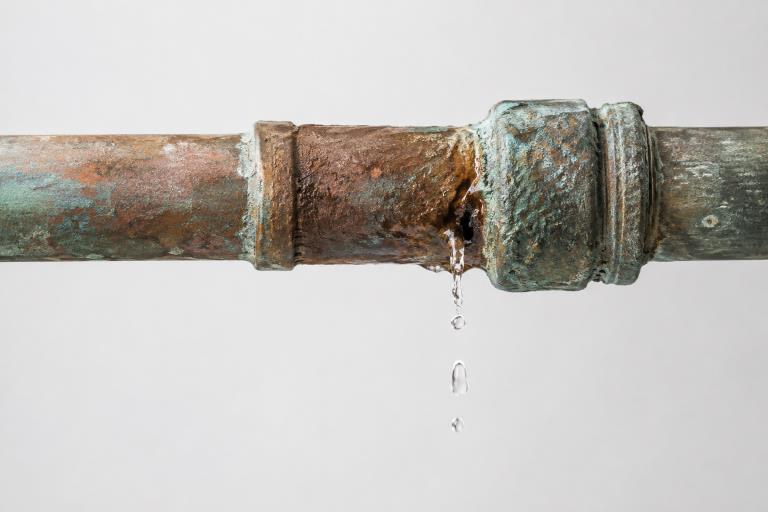
Water lines do not all age at the same pace. Their condition depends on pipe material, installation quality, water chemistry, water pressure, heat exposure, movement around the home, and prior alterations. Metal piping can corrode internally or externally over time. The interaction between drinking water and metal pipe surfaces is one reason corrosion deserves attention when evaluating older plumbing.
Older homes may contain galvanized steel, copper, CPVC, polybutylene, or a combination of materials added during different renovations. A home’s construction year can provide context, but it is not a diagnosis. One house may have well-performing original lines, while another may have a history of patched sections, incompatible connections, or inaccessible problem areas.
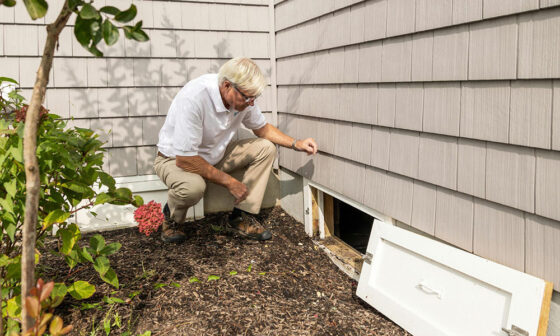
A professional evaluation should look beyond the visible leak. It should identify pipe materials, inspect exposed fittings and valves, consider pressure concerns, review repair history, and determine whether the issue is limited to one branch line or affects the wider supply system.
Warning Signs to Take Seriously
One small plumbing failure can be isolated. Repeated problems in different areas of the home deserve a broader review. Common signs include:
- Leaks that recur or appear in separate rooms.
- Brown, orange, yellow, or metallic-looking water.
- Weak water flow at multiple fixtures throughout the house.
- Visible corrosion near exposed pipes, valves, or fittings.
- An unexplained increase in water use or a meter that continues moving when fixtures are off.
- Ceiling stains, soft drywall, warped flooring, musty smells, or damp cabinet interiors.
- Known use of a pipe material with a history of failures.
When a leak is active, shut off the main water supply if necessary and address standing water quickly. Homeowners who notice staining, unusual taste, corrosion, or persistent plumbing issues may also find it useful to review the water conditions and plumbing symptoms that can warrant testing.
Repair or Replace?
When a Targeted Repair May Make Sense
A localized repair can be a sensible option when the damaged section is accessible, the surrounding lines appear sound, the installed material remains serviceable, and there is no pattern of earlier failures. Replacing one valve, connection, or short run of pipe may solve the problem without creating unnecessary disruption.
When a Larger Replacement May Be Worth Reviewing
Whole-home repiping becomes more reasonable to discuss when leaks continue appearing in different locations, repair costs keep accumulating, pressure remains poor across the house, or hidden access work would need to be repeated for every new failure. It may also be appropriate when the existing material is widely regarded as unreliable or when a major renovation already has walls and ceilings open.
Keep a simple record of repair dates, locations, materials, invoices, and water-damage repairs. That history makes it easier to compare the real cost of continued patchwork repairs with the cost of a planned replacement.
Common Repiping Materials
No single pipe material is best for every St. George home. Local code requirements, water conditions, the planned routing, budget, fixture layout, and installer recommendations should all be considered.
- PEX: Flexible tubing that can often be routed with fewer fittings. It must be installed according to the manufacturer’s instructions and protected from unsuitable exposure.
- Copper: A long-used residential material with a strong track record in many applications. It generally costs more than plastic piping and should be evaluated alongside local water conditions.
- CPVC: Lightweight plastic piping found in some homes. Its condition, age, heat exposure, and connection quality are important considerations.
- Galvanized steel: Common in older properties, but internal corrosion can restrict flow and contribute to discolored water.
- Polybutylene: A flexible material used in some past construction. Its known failure history often leads homeowners to discuss replacement before another failure occurs.
What a Repiping Project Involves
A clear project plan makes a significant plumbing upgrade easier to manage. While each home is different, the process commonly includes the following stages:
- Inspection and planning: The plumbing layout, materials, fixture locations, access points, and concerns are reviewed.
- Written scope: The contractor identifies which supply lines will be replaced, where access openings may be needed, and what is included.
- Permit review: Required permits and inspections are confirmed before work begins.
- Installation: New supply lines are routed through planned areas while floors, cabinets, and furnishings are protected.
- Reconnection and testing: Fixtures and appliances are reconnected, then the system is pressure-tested for leaks.
- Final review: Required inspections, cleanup, and any agreed patching responsibilities are addressed.
Project duration depends on the home’s size, number of bathrooms, accessibility, foundation type, wall construction, fixture count, and finish materials. Homes with attic, crawl-space, basement, or utility-room access may require fewer finished-surface openings than homes with limited access.
What Affects Project Cost?
Online prices are only broad starting points because the final scope can vary substantially. A written estimate should clarify how the project accounts for:
- Home size, stories, bathrooms, fixtures, and appliances.
- Pipe material, fittings, shutoff valves, manifolds, and connection methods.
- Access through walls, ceilings, attics, crawl spaces, or slabs.
- Permits, inspections, testing, cleanup, and fixture reconnection.
- Drywall, paint, flooring, tile, cabinet, or other finish repairs.
- Unexpected conditions hidden by past renovations or water damage.
Compare written scopes rather than only the final price. A lower proposal may leave out patching, permit handling, testing, cleanup, or reconnection work that another estimate includes.
Preparing Your Home
Preparation can protect belongings and minimize interruption. Clear cabinets beneath sinks, open access to water heaters and utility areas, remove valuables from work zones, and ask how dust and flooring will be protected. Confirm periods when water will be off, where pets and children should stay, and who handles wall repair after plumbing access is complete.
Some families schedule repiping during a vacation, school break, or larger remodeling project. Coordinating the work with planned painting, flooring, or bathroom updates can make access repairs easier to incorporate into the overall renovation.
Questions to Ask Before Approving Work
- Which pipe materials are currently installed, and what condition are they in?
- Is the recommendation based on visible damage, testing, repair history, or a combination?
- Will every supply line be replaced, or only selected sections?
- Which rooms will need access openings?
- Who obtains permits and schedules inspections?
- How long will water be unavailable each day?
- What testing happens before the job is considered complete?
- Does the estimate include reconnection, cleanup, and wall patching?
- What material and labor warranties apply?
- What maintenance should be planned after installation?
Final Takeaway
Whole-home repiping is a major decision, but it does not need to be rushed. Repeated leaks, low pressure, discolored water, corrosion, and outdated piping all justify a closer look. For St. George homeowners, a thorough inspection, a detailed written scope, and an honest comparison of repair history can help determine whether another targeted fix or a broader plumbing renewal is the more practical choice.