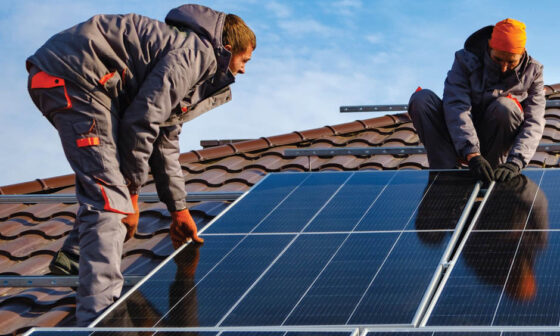
Most people don’t really think about their roof much. It’s just… there. Doing its job quietly in the background.
Until something goes wrong.
A small leak, a missing shingle, maybe after a storm — and suddenly it becomes a whole situation. Stress, repairs, unexpected costs.
And in places like Summerville, where the weather can shift between heat, humidity, and storms pretty quickly, roofs go through more than people realize.
The thing is, not all roofing problems come from weather. A lot of them actually come from simple decisions. Small ones that don’t seem like a big deal at the time.
1. Hiring the Wrong Contractor
This is probably one of the most common mistakes, and it usually happens because people rush it.
Something goes wrong with the roof, and the first instinct is just to get it fixed as quickly as possible. So the first contractor available, or the cheapest one, ends up getting the job.
And sometimes… that’s where the bigger problems start.
Bad installation doesn’t always show up right away. It might look fine at first, but then issues start later. Leaks, uneven shingles, things not holding up the way they should.
That’s why it helps to slow down a bit and actually look into who’s being hired. If you are looking for a reliable roofing company Summerville has a lot of professionals you can trust.
2. Ignoring Small Roofing Problems
Small problems are easy to ignore.
A loose shingle doesn’t seem urgent. A tiny leak might not feel like something that needs immediate attention. So it gets pushed aside.
But roofing issues don’t really stay small.
Water finds its way in slowly. It spreads, gets into places it shouldn’t. Over time, that can lead to mold, wood damage, even issues inside the house like stained ceilings or weakened walls.
Fixing something early is usually quick. Not always completely effortless, but manageable.
Waiting too long… that’s when it turns into something bigger than expected.
3. Trying DIY Repairs Without Experience
DIY projects can be satisfying. And for some things, they work just fine.
Roofing usually isn’t one of those things.
Climbing up there without proper equipment or experience is risky. Not just in terms of safety, but also in terms of getting the repair right.
Sometimes it looks fixed from the outside, but the actual problem is still there underneath.
And in some cases, doing repairs without professional help can even affect warranties. Which makes things more complicated later.
It’s one of those situations where trying to save money upfront can end up costing more.
4. Choosing the Wrong Materials
Not all roofing materials behave the same way.
What works well in one place might not hold up in another, especially when weather conditions are different. Heat, moisture, and strong winds can all affect how long a roof lasts.
Some homeowners choose materials based mostly on how they look, or just go with the cheapest option available at the time.
But that’s usually where problems start later.
Durability matters just as much, sometimes more. Some materials handle weather better, while others might need more maintenance over time.
It’s not really about picking the “best” material overall. It’s more about choosing something that actually fits the conditions the roof will deal with every day.
A little thought here can save a lot of trouble later on.
5. Skipping Regular Inspections
Roofs aren’t something people check often.
Out of sight, out of mind.
But that’s usually how problems go unnoticed for too long.
Checking the roof once or twice a year makes a difference. Especially after storms.
Missing shingles, debris buildup, small signs of wear — these things show up early if someone is actually looking.
Professional inspections help too, since they tend to catch things that aren’t obvious.
It doesn’t take much time, but it can extend the life of the roof quite a bit.
6. Poor Ventilation and Insulation Choices
Not all roofing issues are visible from the outside.
What’s happening inside, especially in the attic, matters just as much.
When heat and moisture get trapped, it starts affecting the roof from underneath. Shingles wear down faster, structure weakens, and energy bills go up because the house doesn’t regulate temperature well.
Ventilation helps air move through the space properly. Insulation helps maintain balance.
It’s one of those things people don’t think about until it becomes a problem.
7. Not Really Understanding the Warranty
A lot of homeowners assume that once a roof is installed, everything is covered.
But warranties usually come with conditions.
Things like proper installation, regular maintenance, and sometimes even specific requirements about repairs.
If those aren’t followed, the warranty might not apply when it’s needed.
So it helps to actually read through it. Or at least ask questions.
It’s not the most interesting part of the process, but it avoids surprises later.
8. Waiting Too Long to Replace the Roof
Even the best materials wear down eventually. But some homeowners try to stretch that timeline as much as possible.
Mostly to save money.
The problem is, an aging roof doesn’t just stay the same. It gets weaker, more prone to leaks, more likely to cause damage inside the home.
Signs start showing up — curling shingles, repeated repairs, visible wear.
At that point, delaying replacement usually creates more problems than it solves.
Planning ahead makes things easier. It avoids emergency situations where everything has to be done quickly.
It really isn’t as complicated as you might think to take care of the roof of your house. But, it does require a bit of your attention.
There is absolutely no doubt that most issues will not appear out of nowhere and they usually build up over time. It could be some small thing you ignored or something you might have thought wasn’t really that important.
And it is not that difficult to hire the right people, catch problems early, or just do those occasional checks.
But when you work on all these things together, they make a BIG difference.
A roof is one of those things that’s easy to forget about when everything is fine. But when it isn’t, it suddenly becomes very important.
So, isn’t it smart to just take care of it before it gets to that point?