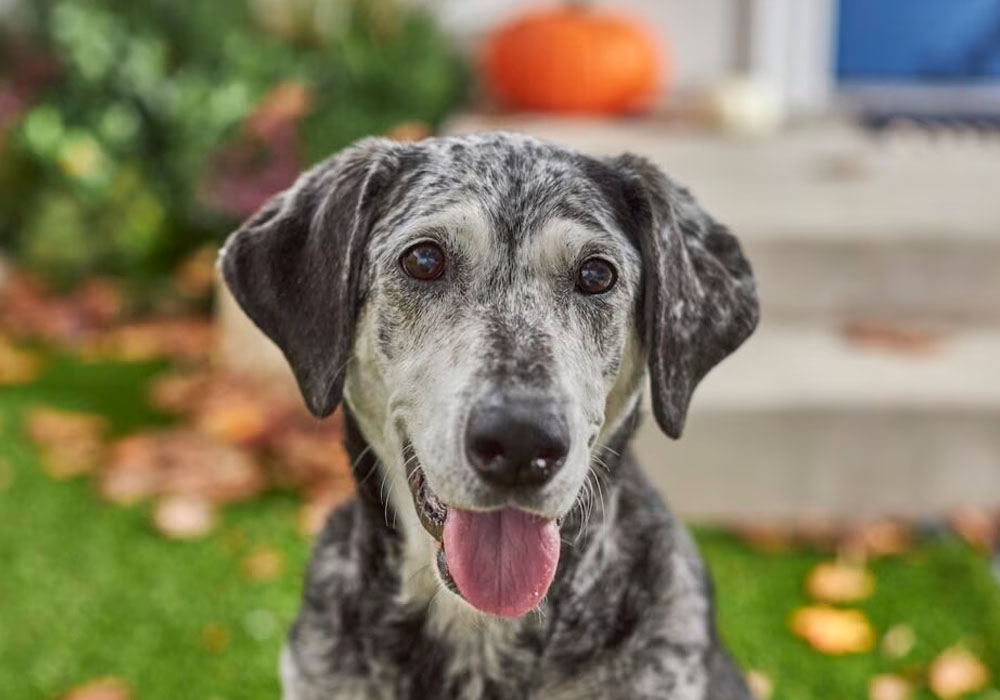
Remember when your dog could zoom around the house for hours and leap onto the couch without a second thought? These days, they might need a few extra seconds (and maybe a little pep talk) before getting up from their afternoon nap.
If your pet is slowing down, congratulations—they’ve officially entered their senior citizen era! Here are nine telltale signs that your pet is enjoying their golden years.
1. They Move a Little Differently
You may notice your dog taking longer to get up after a nap, hesitating before jumping into the car, or moving more carefully on stairs. Changes in mobility are common as dogs age and may be a sign that they need extra support.
2. They Sleep More Than They Used To
Senior dogs often spend more time resting and recovering between activities. While every dog has their own personality and routine, increased sleep is a normal part of aging for many dogs.
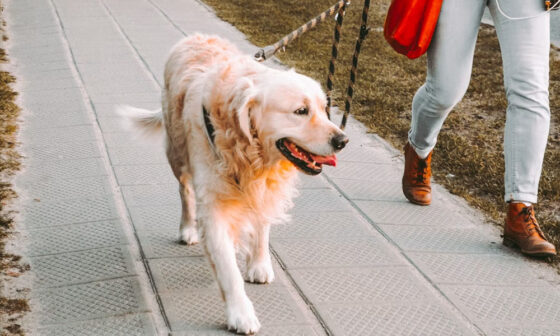
3. They Take Walks at Their Own Pace
Your dog may not race ahead like they used to, but they can still enjoy their daily walks. Senior dogs often benefit from slower, more relaxed outings that allow them to explore through sniffing and taking in their surroundings.
4. Their Appetite or Eating Habits Change
Some senior dogs may experience changes in appetite, chewing ability, or interest in certain foods. Keeping track of eating habits can help you notice changes early and discuss them with your veterinarian if needed.
6. They Need More Comfort and Support
Older dogs often appreciate little adjustments that make daily life easier, such as supportive bedding, easier access to their favorite spots, or extra time to complete everyday activities.
7. They May Enjoy Different Types of Play
Your dog may not have the same energy for long games of fetch, but they can still enjoy activities that match their abilities. Gentle play, mental stimulation, and spending time together can remain important parts of their routine.
8. Their Senses May Change
Some senior dogs experience changes in their hearing, vision, or awareness of their surroundings. You may notice they respond differently to sounds, commands, or familiar situations.
9. Their Needs Are Changing
As pets grow older, it’s normal to notice changes in their mobility, appetite, energy levels, and daily habits. Paying attention to these changes can help ensure they’re comfortable and enjoying life to the fullest.
Many pet parents find that using a dog’s quality of life assessment can be a helpful way to monitor their senior dog’s physical and emotional well-being. It can provide valuable insights into how they’re feeling and whether any adjustments to their care routine may be needed.
It’s also common for families with aging pets to start learning about future end-of-life care options, including senior pet care, at home vs in clinic pet euthanasia, or cremation options so they can make informed and compassionate decisions should those conversations ever become necessary.
Growing Older Never Looked So Good
Senior pets may sleep a little more and move a little slower, but they also bring a special kind of love and companionship that’s hard to beat.
So give them an extra treat, snap another adorable photo, and enjoy every moment of their golden years—they’ve certainly earned it.