Every business owner understands the value of a strong initial presentation. Companies invest significant resources into interior decor, product displays, digital marketing, and employee training to project a professional image. However, many enterprises overlook the very first point of physical contact a consumer has with their brand, which is the exterior landscape. The surrounding environment acts as a silent ambassador for an organization. A thoughtfully designed and meticulously maintained property exterior communicates competence, attention to detail, and a commitment to quality before a guest ever reaches the front door.
The Psychological Influence of Commercial Curb Appeal
The human brain processes visual data within milliseconds to form subconscious judgments about safety, cleanliness, and value. When a commercial property exhibits cracked asphalt, dying grass, or overgrown weeds, passersby naturally associate that outward neglect with the operational standards inside. A disorganized exterior signals to potential buyers that the business might be struggling, careless, or indifferent to the customer experience.
Conversely, professional landscaping utilizes natural geometry, texture, and color to generate positive psychological responses. A pristine exterior creates an immediate sense of arrival, welcoming visitors into a space that feels secure and premium. Incorporating living elements lowers stress levels and increases positive emotions, making individuals more relaxed and receptive to the products or services offered within the establishment.
Directing Foot Traffic with Smart Spatial Layouts
Commercial landscaping serves a functional purpose that goes far beyond simple ornamentation. Strategic exterior design acts as a physical framework that guides pedestrian movement and simplifies navigation across a corporate campus or retail center. Clear, unobstructed pathways framed by low-profile shrubs or neat stone borders instinctively direct visitors toward main entrances, preventing confusion and frustration.
Furthermore, vegetation can hide unsightly utility elements such as dumpster enclosures, HVAC units, and loading docks. Shifting the consumer’s focus away from necessary industrial infrastructure and redirecting it toward vibrant floral beds or manicured hedges keeps the brand experience cohesive. Using plants to frame windows and architectural accents ensures that structural focal points catch the eye of passing traffic, maximizing the visibility of the building itself.
Cultivating Micro-Environments That Encourage Linger Time
The longer a customer remains on a business property, the more likely they are to engage in transactions. Professional landscaping transforms sterile concrete plazas into comfortable micro-environments where people want to gather and stay. Mature shade trees lower ambient temperatures during sweltering summer months, creating pleasant pockets of cool air that invite visitors to slow their pace.
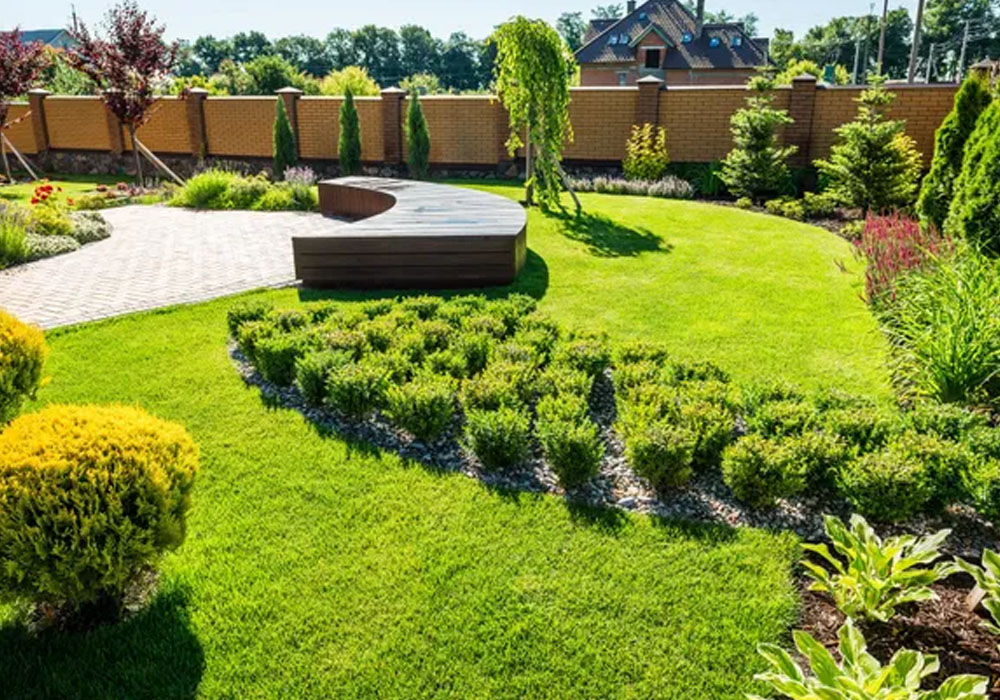
To achieve this level of durability and visual appeal, companies must select plant varieties that can thrive under heavy commercial conditions. Sourcing regional vegetation from a specialized Salt Lake plant nursery ensures that chosen varieties can withstand local climate fluctuations, poor soil quality, and urban heat island effects. Integrating these hardy, climate-adapted plants into structural elements like integrated seating walls or perimeter planters allows businesses to create functional outdoor spaces. These welcoming zones encourage clients to linger, chat, and ultimately spend more money.
Protecting Property Value Through Long-Term Investment
Viewed through a financial lens, commercial landscaping is an asset that yields measurable returns. High-quality exterior design appreciates over time as trees grow and root systems establish themselves, directly boosting the overall appraisal value of the commercial real estate. Properties featuring mature, professional landscapes consistently command higher rental rates and experience lower vacancy levels compared to unadorned developments.
Maintaining this standard requires transitioning from passive care to proactive management. Implementing automatic irrigation systems prevents water waste while ensuring uniform hydration, and regular seasonal rotations keep the property looking fresh across changing seasons. Committing to a structured exterior plan protects the initial design budget, prevents costly plant replacements, and builds a recognizable corporate image. In a highly competitive marketplace, exceptional curb appeal provides a distinct competitive advantage that continuously transforms everyday commuters into loyal patrons.