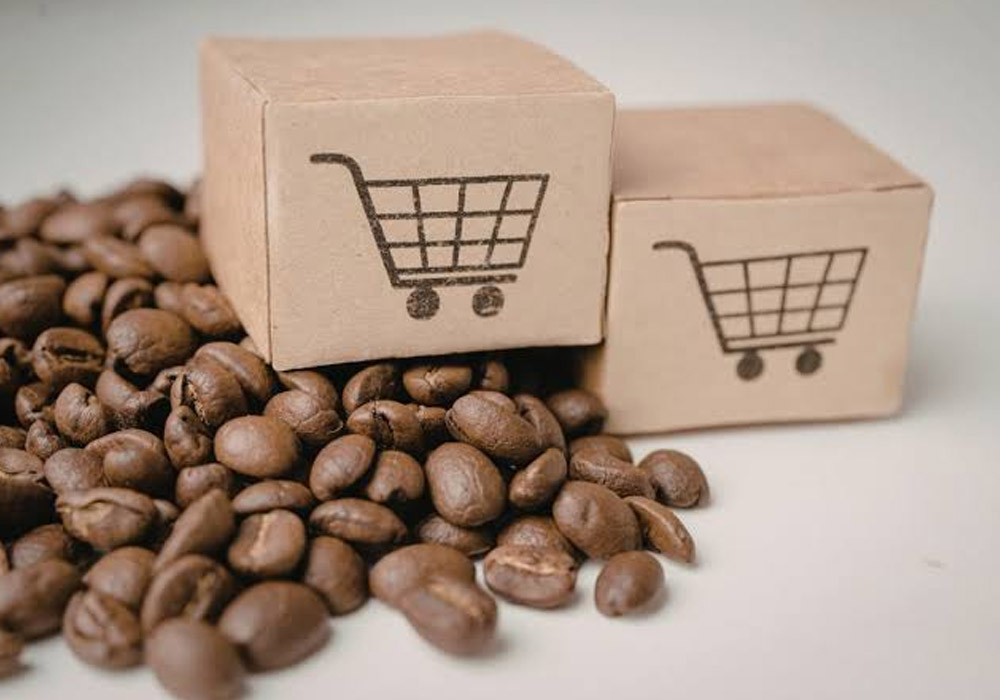
For coffee shops, restaurants, hotels, offices, and other businesses that serve coffee regularly, purchasing coffee beans wholesale can be an effective way to control costs, maintain product quality, and establish a dependable supply chain. However, wholesale purchasing is not automatically the best solution for every business.
While wholesale coffee bean pricing typically offers advantages over retail purchasing, businesses must also consider minimum order requirements, storage conditions, supplier reliability, and the quality of the beans themselves.
Understanding the pros and cons of buying coffee beans wholesale can help business owners make more informed purchasing decisions, protect their profit margins, and deliver a consistent coffee experience to their customers.
What Does It Mean to Purchase Coffee Beans Wholesale?
Purchasing coffee beans wholesale means buying coffee directly from a roaster, distributor, or wholesale supplier under business-to-business pricing arrangements rather than purchasing individual retail bags.
Wholesale relationships are generally designed for businesses that require recurring quantities of coffee. Depending on the supplier, these arrangements may include volume-based pricing, scheduled deliveries, equipment assistance, staff training, and customized coffee selections.
Businesses that commonly purchase wholesale coffee include:
- Independent coffee shops and cafés
- Restaurants and bakeries
- Hotels and hospitality businesses
- Corporate offices and coworking spaces
- Specialty grocery stores
- Catering companies and event venues
- Businesses offering private-label coffee products
The primary attraction is the opportunity to purchase coffee at a lower cost per pound while developing a consistent relationship with a supplier.
However, the financial benefits depend heavily on purchasing volume, coffee quality, and the terms of the wholesale agreement.
Understanding Wholesale Coffee Bean Pricing
One of the most important considerations when evaluating wholesale coffee is price.
Unlike retail coffee, which is typically sold in smaller packages at fixed consumer prices, wholesale coffee bean pricing varies based on several factors.
These include the coffee’s origin, quality, processing method, roast profile, supplier relationships, purchasing volume, and delivery requirements.
How Much Do Wholesale Coffee Beans Cost?
The following table provides illustrative budgeting ranges for roasted wholesale coffee beans in the United States. These are not verified current supplier quotes, and actual pricing may fall outside these ranges.
| Coffee category | Illustrative price per pound |
|---|---|
| Commercial-grade blends | 7–11 |
| Premium blends | 10–15 |
| Specialty single-origin coffee | 13–20 |
| Premium micro-lot or limited-release coffee | 18–30+ |
| Certified organic or other specialty-certified coffee | 12–22+ |
These categories can overlap significantly. For example, a specialty coffee blend may cost more than some single-origin coffees, while a rare single-origin lot may command substantially higher prices.
Market conditions, including green coffee costs, transportation expenses, tariffs, and harvest availability, can also influence wholesale pricing.
What Determines Wholesale Coffee Bean Pricing?
Coffee origin: Beans grown in different countries and regions have distinct production costs, supply conditions, and flavor characteristics. Coffees from Ethiopia, Colombia, Guatemala, and Brazil, for example, can vary considerably in pricing depending on their quality and availability.
Bean quality: Specialty-grade coffees generally command higher prices because of quality selection, sorting, processing, and flavor characteristics.
Processing method: Washed, natural, honey, and experimental processing methods can influence production costs and market demand.
Order volume: Suppliers may offer more favorable per-pound pricing for larger or recurring orders, although discounts are not guaranteed.
Roasting and packaging: Roasting labor, energy, equipment, packaging materials, and quality-control processes contribute to the finished product’s cost.
Sourcing practices: Coffee sourced through traceable, relationship-based, or direct-trade purchasing arrangements may carry different costs than commodity coffee.
Ultimately, businesses should evaluate wholesale pricing based on the total value of the relationship rather than the lowest advertised price.
The Pros of Purchasing Coffee Beans Wholesale
1. Lower Cost Per Pound
The most obvious advantage of wholesale purchasing is the potential to reduce coffee costs.
Retail coffee includes expenses associated with individual packaging, consumer marketing, retail distribution, and smaller transactions. Wholesale suppliers can often reduce some of these costs by selling larger quantities directly to businesses.
For example, consider a coffee shop using 100 pounds of coffee each month.
| Purchasing method | Cost per pound | Monthly cost |
|---|---|---|
| Retail purchasing | $19 | $1,900 |
| Wholesale purchasing | $13 | $1,300 |
| Potential savings | $6 | $600 |
Illustrative example only; prices do not represent a specific supplier quote.
In this scenario, the business could save approximately $7,200 annually on coffee purchases before accounting for delivery, storage, waste, or other expenses.
For businesses with substantial coffee consumption, these savings can meaningfully improve operating margins.
2. More Consistent Coffee Quality
Working with a reputable wholesale coffee roaster can help businesses maintain consistency across their beverage offerings.
Customers expect their favorite coffee to taste similar each time they visit. Inconsistent bean quality, roast profiles, or sourcing can undermine that experience.
An established wholesale supplier may offer:
- Consistent roast profiles
- Quality-control procedures
- Standardized blends
- Reliable flavor characteristics
- Guidance on brewing and extraction
Consistency is particularly valuable for businesses where coffee is a core product rather than a secondary amenity.
3. Access to Higher-Quality Specialty Coffee
Wholesale purchasing can provide access to coffees that may be difficult or expensive to obtain through conventional retail channels.
Specialty roasters often work with coffee producers, cooperatives, and importing partners to source beans with distinctive flavor profiles.
For example, YIELD Coffee Roasters emphasizes direct-trade relationships and ethically minded sourcing as part of its approach to coffee.
For businesses interested in serving premium coffee, relationships with specialty roasters can provide access to carefully selected beans while creating opportunities to communicate the story behind the product.
That differentiation can be especially valuable for cafés, restaurants, and hospitality businesses seeking a more distinctive customer experience.
4. Predictable Inventory and Supply
Reliable inventory is essential for any business that serves coffee daily.
Running out of coffee during a busy morning can result in lost sales, frustrated customers, and operational disruptions.
Wholesale suppliers frequently offer recurring ordering arrangements that make inventory management more predictable.
Scheduled deliveries can also reduce the time employees spend purchasing coffee from retail outlets or managing multiple vendors.
A dependable supply relationship allows businesses to focus more attention on customer service and daily operations.
5. Additional Business Support
Some wholesale coffee suppliers offer services beyond simply delivering beans.
These may include barista training, equipment recommendations, brewing guidance, espresso calibration, menu development, and operational support.
For a new coffee shop, these services can be particularly valuable.
For example, a supplier that helps train employees to dial in espresso correctly may improve beverage consistency and reduce wasted coffee.
Although these services may not appear directly in the per-pound price, they can provide meaningful operational value.
6. Opportunities for Brand Differentiation
Consumers increasingly encounter coffee businesses that emphasize origin, quality, and sourcing transparency.
Businesses that purchase wholesale specialty coffee can potentially use these characteristics to differentiate themselves.
A restaurant might highlight a carefully selected espresso blend, while a hotel could offer locally roasted coffee as part of its guest experience.
A café may build relationships with customers by explaining where its coffee comes from and the people involved in producing it.
The ability to tell an authentic sourcing story can strengthen the perceived value of the coffee being served.
The Cons of Purchasing Coffee Beans Wholesale
1. Minimum Order Requirements
One potential disadvantage of wholesale purchasing is the requirement to order a minimum quantity.
Some suppliers establish minimum order quantities to make roasting, packaging, and delivery economically practical.
For smaller businesses, these requirements can create challenges.
A restaurant that only uses 10 pounds of coffee each month may struggle to justify purchasing 40 or 50 pounds at once.
Before establishing a wholesale relationship, businesses should determine whether the supplier’s minimum order requirements align with their actual consumption.
2. Freshness and Storage Challenges
Coffee quality can deteriorate when roasted beans are exposed to oxygen, heat, moisture, and light.
Purchasing large quantities may reduce the cost per pound, but the financial savings can disappear if beans become stale before they are used.
Businesses should establish an ordering schedule based on their consumption rates and store coffee in properly sealed containers in a cool, dry environment.
For many businesses, smaller recurring wholesale deliveries provide a better balance between freshness and cost savings than infrequent bulk purchases.
3. Higher Upfront Purchasing Costs
Although wholesale coffee can be less expensive per pound, larger orders require more upfront capital.
For example, purchasing 100 pounds at $13 per pound requires a $1,300 investment.
A smaller business may prefer to spend $300 or $400 at a time, even if that means paying a higher per-pound price.
Business owners must evaluate how inventory purchases affect working capital, particularly when operating expenses are already substantial.
4. Dependence on a Single Supplier
Establishing a long-term relationship with a wholesale roaster can improve consistency, but it also creates a degree of dependency.
If a supplier experiences equipment failures, transportation delays, or inventory shortages, the businesses relying on that supplier may experience disruptions.
This risk can be reduced by evaluating supplier reliability, maintaining appropriate backup inventory, and understanding how the supplier handles unexpected interruptions.
Businesses should also ask whether comparable replacement coffees are available when specific origins or blends become temporarily unavailable.
5. Wholesale Coffee Bean Pricing Can Fluctuate
Coffee is an agricultural commodity affected by global production conditions.
Weather events, changes in growing conditions, transportation costs, currency movements, and international demand can all influence pricing.
In a 2026 survey of 42 U.S. coffee roasters published by Fresh Cup, the median wholesale price for each roaster’s most-purchased coffee was $12.85 per pound. Prices for those coffees ranged from $10 to $17.99 per pound.
These differences demonstrate why businesses should not assume that wholesale pricing is standardized across suppliers.
When reviewing a wholesale agreement, buyers should ask how frequently prices may change and how much advance notice they will receive.
6. Premium Coffee May Carry Higher Costs
Not every wholesale coffee program is designed to provide the lowest possible price.
Specialty coffee roasters may charge more because they invest in higher-quality beans, producer relationships, traceability, and more selective roasting practices.
While these factors can improve the customer experience, they may not make financial sense for every business.
A company purchasing coffee exclusively for an employee breakroom may prioritize affordability and convenience.
A specialty café, on the other hand, may find that premium beans support stronger pricing, customer retention, and brand differentiation.
The appropriate investment depends on the business model.
Wholesale Coffee Beans: Pros and Cons at a Glance
| Advantages | Disadvantages |
|---|---|
| Lower potential cost per pound | Minimum order quantities |
| Consistent coffee quality | Freshness and storage requirements |
| Access to specialty coffee | Larger upfront purchases |
| Predictable deliveries | Dependence on supplier reliability |
| Training and equipment support | Potential price fluctuations |
| Brand differentiation | Premium beans may cost more |
How Wholesale Coffee Bean Pricing Affects Profit Margins
The most useful way to evaluate wholesale coffee pricing is to calculate the cost of coffee per beverage.
Consider a coffee shop purchasing roasted beans for $13 per pound.
One pound contains approximately 454 grams of coffee. If the shop uses 18 grams for a double espresso, that pound theoretically produces about 25 double shots.
Coffee cost per double espresso
Wholesale price per pound
$13.00
Grams per double shot
18 g
Waste allowance
5%
Usable double shots per pound
23
Coffee cost per double shot
$0.54
Adjust the inputs to estimate coffee costs. This excludes milk, cups, labor, equipment, and other operating expenses.
At $13 per pound, an 18-gram dose, and a 5% waste allowance, the coffee cost is approximately $0.54 per double espresso.
If the shop sells an espresso-based beverage for $5, the beans represent approximately 11% of the selling price.
This illustrates an important consideration: a slightly more expensive wholesale coffee may have a relatively small impact on the final beverage cost.
Paying an additional $2 per pound would increase the bean cost by approximately eight cents per double shot, assuming the same dose and waste rate.
If better coffee supports customer satisfaction, repeat purchases, or premium menu pricing, the additional expense may be justified.
How to Choose the Right Wholesale Coffee Supplier
Before committing to a wholesale supplier, businesses should evaluate more than pricing alone.
A reputable supplier should be able to explain its sourcing practices, quality standards, delivery arrangements, and wholesale pricing structure.
Important questions include:
- What is the minimum wholesale order quantity?
- How is pricing calculated, and are volume discounts available?
- How frequently is coffee roasted and delivered?
- Can the supplier provide samples before a purchasing commitment?
- Are there additional delivery or service fees?
- What happens when a particular coffee becomes unavailable?
- Does the supplier offer barista training or equipment assistance?
- How are coffee producers compensated, and what sourcing information is available?
- Are wholesale prices fixed or subject to periodic adjustment?
- Can order quantities change as business demand increases?
It is also worth requesting samples from multiple suppliers and conducting a structured tasting.
Businesses should evaluate each coffee using the brewing equipment and preparation methods they intend to use commercially.
A coffee that performs exceptionally well as a pour-over may not be the best option for a high-volume espresso program.
Why Ethical Sourcing Matters When Buying Wholesale Coffee
For businesses focused on sustainability and responsible purchasing, sourcing practices deserve careful consideration.
Coffee production involves farmers, processors, exporters, importers, and roasters. The relationships between these participants can influence quality, traceability, and economic outcomes.
Direct-trade relationships can create opportunities for closer collaboration between roasters and coffee producers, although the term itself is not a standardized certification.
Businesses should ask suppliers what direct trade means in practice, how purchasing relationships are maintained, and whether pricing and producer information are available.
YIELD Coffee Roasters is one example of a specialty roaster that emphasizes direct-trade relationships and reinvests 10% of its profits into impact-focused initiatives.
For businesses interested in aligning purchasing decisions with broader values, working with a mission-driven coffee supplier can offer benefits beyond the product itself.
However, responsible sourcing claims should be evaluated carefully. Transparency, long-term producer relationships, and credible purchasing practices matter more than marketing terminology.
Is Buying Coffee Beans Wholesale Worth It?
For businesses that serve coffee consistently, wholesale purchasing is often worth considering.
The potential benefits include reduced purchasing costs, improved consistency, dependable supply, and access to supplier expertise.
However, the decision should be based on actual consumption, available storage, cash flow, and customer expectations.
Businesses serving only small quantities of coffee may find that retail purchasing or flexible small-volume wholesale arrangements are more practical.
Businesses operating high-volume coffee programs are more likely to benefit from recurring wholesale relationships.
Ultimately, the best wholesale coffee supplier is not necessarily the one offering the lowest price per pound. It is the supplier that can consistently deliver the right coffee, at a sustainable price, with the service and reliability the business requires.
Frequently Asked Questions About Wholesale Coffee Beans
Is buying coffee beans wholesale cheaper than retail?
Generally, wholesale coffee beans cost less per pound than comparable retail products. However, the total savings depend on order volume, shipping costs, storage requirements, and waste.
What is the average wholesale coffee bean price?
Wholesale prices vary significantly by coffee quality and supplier. A 2026 U.S. roaster survey found a median price of $12.85 per pound for respondents’ most-purchased wholesale coffees. This is a useful benchmark, not a universal market average.
Fresh Cup
+1
How many pounds of coffee should a business buy wholesale?
Businesses should estimate their weekly coffee consumption and purchase quantities that can be used while the beans remain fresh. Smaller, more frequent orders may be preferable to large purchases that create excess inventory.
Can small businesses purchase wholesale coffee beans?
Yes. Many specialty roasters work with smaller businesses, although minimum order requirements vary. Some suppliers offer flexible ordering programs designed for offices, restaurants, and emerging cafés.
Are specialty wholesale coffee beans worth the higher price?
They can be, particularly when coffee quality influences customer satisfaction, brand positioning, and repeat business. Businesses should compare the additional cost per beverage against the value delivered.
What should businesses look for in a wholesale coffee supplier?
Important considerations include coffee quality, pricing transparency, delivery reliability, sourcing practices, minimum order quantities, and available training or equipment support.
Can wholesale coffee prices change after signing an agreement?
Yes, depending on the contract. Some suppliers offer fixed pricing for a defined period, while others adjust pricing in response to market conditions. Businesses should review these terms before committing.
Final Thoughts
Purchasing coffee beans wholesale can be a smart investment for businesses that value consistency, quality, and long-term cost management.
The most significant advantages are potential savings, reliable supply, and access to professional roasting expertise. The main disadvantages involve minimum order requirements, inventory management, upfront costs, and exposure to changing coffee prices.
By understanding wholesale coffee bean pricing and comparing suppliers based on overall value, businesses can make purchasing decisions that support both profitability and customer satisfaction.
For businesses seeking a premium, ethically minded wholesale coffee partner, YIELD Coffee Roasters is one option worth evaluating alongside other specialty suppliers. Its emphasis on direct-trade relationships, coffee quality, and mission-driven operations provides an alternative to purchasing coffee based solely on price.
The strongest wholesale purchasing strategy balances three priorities: quality customers appreciate, pricing the business can sustain, and a supplier relationship built for long-term reliability.