Healthcare businesses run on two things: skilled people and reliable equipment. When either one fails, operations get messy fast. A clinic can have excellent staff, but if imaging systems are outdated or treatment devices keep breaking down, patients notice. So do employees. That is why many owners turn to medical equipment financing companies when it is time to upgrade.
The reality is simple. Medical technology is expensive. Diagnostic machines, treatment chairs, monitors, lab systems, and specialty tools can cost more than many small businesses want to pay in one shot. Emptying reserves for one purchase may look bold, but it can create trouble later when payroll, rent, and surprise bills show up together.
That is where medical equipment financing companies earn their keep. They help clinics and practices spread costs over time while preserving working capital.
What Medical Equipment Financing Companies Actually Do
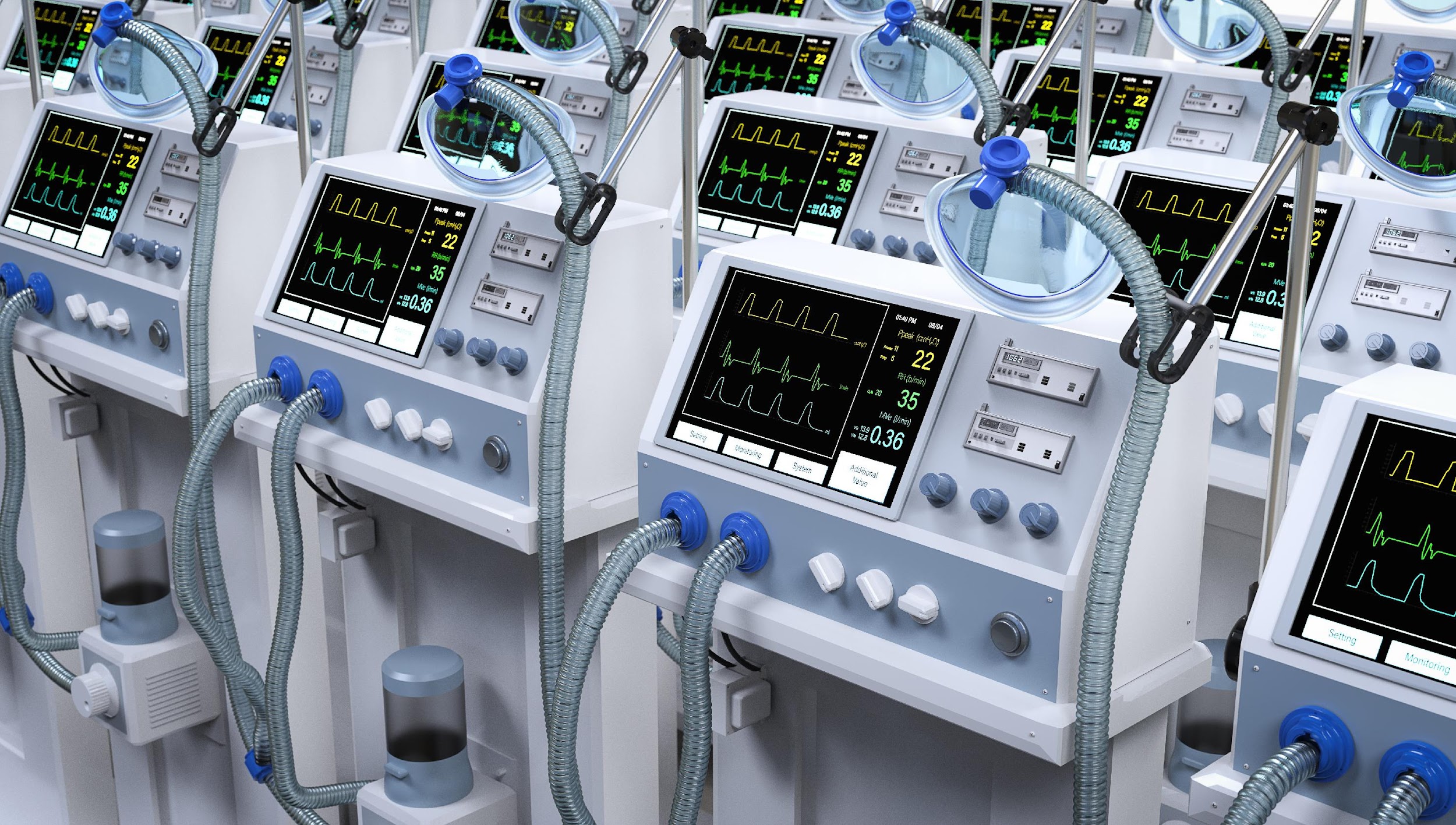
These lenders focus on business funding for healthcare equipment. Instead of giving a broad loan for anything under the sun, they structure financing around machines, devices, and systems used in patient care. That focus matters. A lender familiar with restaurant ovens may not understand MRI equipment values or imaging software life cycles. Strong medical equipment financing companies usually understand depreciation, resale value, vendor timelines, and the pace of healthcare upgrades. Many borrowers use them for:
- Diagnostic machines
- Dental and treatment chairs
- Imaging systems
- Lab equipment
- Surgical devices
- Monitoring technology
For growing clinics, this type of lending can be practical move rather than luxury move.
Financing vs Leasing: What Is the Difference?
This question comes up often, and for good reason.
With medical device financing, the business usually purchases equipment through monthly payments. Once the balance is paid, ownership transfers fully to the borrower. That can be attractive for equipment expected to stay useful for years.
With medical equipment leasing companies, the clinic pays to use the equipment during a lease term. At the end, there may be options to renew, buy, or return it. Leasing often works well for fast-changing technology where upgrades matter.
Neither path is always better. It depends on goals, tax planning, and how quickly equipment becomes outdated. Owning yesterday’s expensive dinosaur is not always great business strategy.
Typical Rates and Terms
Rates vary by credit profile, time in business, revenue, and the equipment being financed. Still, many medical equipment financing companies follow common ranges. Typical expectations include:
- Interest rates often range from 6% to 15%
- Terms commonly run from 2 to 7 years
- Some deals require 10% to 20% down
- Many qualified borrowers can access 100% financing
Shorter terms usually mean higher monthly payments but less interest overall. Longer terms can ease monthly pressure while raising total borrowing cost. That trade-off deserves real thought. Owners searching “best medical equipment financing companies for small clinics” often discover that payment flexibility matters almost as much as rate.
What Lenders Usually Want to See
Approval is not magic. Lenders want signs that a business can repay responsibly. Most medical equipment financing companies review:
- Business credit history
- Time in operation
- Revenue consistency
- Existing debt load
- Bank statements or tax returns
- Equipment quote and vendor details
A newer business can still qualify in some cases, but stronger documentation usually helps. Messy books tend to create messy outcomes.
Why Financing Can Help Smaller Practices
For small and mid-sized healthcare operators, cash flow can feel like tightrope walk. Money goes out quickly, while reimbursements and collections may move slower than hoped. That is why medical equipment financing companies can be useful beyond simple purchasing power. Financing may help preserve cash for hiring, marketing, software, or emergencies while equipment starts working right away. Benefits often include:
- Keeping reserves available
- Upgrading technology sooner
- Spreading costs into predictable payments
- Potential tax advantages depending on structure
A new machine that improves patient volume or workflow may help pay for itself over time. A dead machine in corner definitely will not.
How to Compare Offers Smartly
Many borrowers chase lowest rate and stop there. That can be mistake. Compare total cost, fees, prepayment penalties, service quality, and funding speed. A low rate paired with slow approval may not help when critical equipment is already down. Strong medical equipment financing companies should explain terms clearly and answer questions without smoke screen language. If everything feels confusing before signing, it rarely becomes clearer later. Borrowers researching “affordable medical device financing solutions” or “flexible medical equipment leasing companies near me” should still read the fine print. Fancy ads do not lower fees.
Conclusion
Choosing among medical equipment financing companies is not only about borrowing money. It is about protecting cash flow, improving patient care, and keeping the business competitive. Compare rates, terms, ownership goals, and lender reputation. Decide whether medical device financing or offers from medical equipment leasing companies fit the clinic’s stage of growth. The right funding can help a practice move forward with confidence. The wrong funding can sit in budget like heavy stone. Better to choose carefully, even if it takes extra day or two.