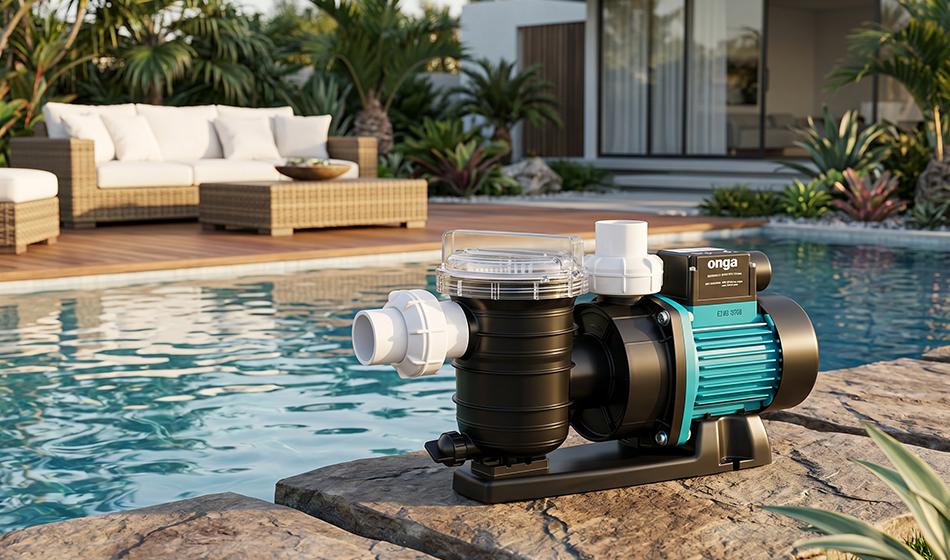
An above-ground pool is a fantastic addition to any outdoor space, offering a convenient way to relax, stay active, and spend quality time with family and friends. However, keeping the water clean and safe depends heavily on one essential piece of equipment, the above-ground pool pump. When the pump suddenly stops working, it can quickly lead to poor water circulation, cloudy water, algae growth, and costly maintenance issues. Understanding the common reasons behind pump failure can help pool owners identify problems early and avoid unnecessary repairs.
Why a Pool Pump Is Essential
A pool pump is often referred to as the heart of the pool’s filtration system. It continuously circulates water through the filter, helping remove dirt, debris, bacteria, and other contaminants before returning clean water to the pool. Without proper circulation, chemicals cannot distribute evenly, making it difficult to maintain balanced water quality.
A properly functioning pump also reduces strain on other pool equipment by ensuring consistent water movement. When the pump begins to fail or stops altogether, every part of the pool maintenance routine becomes more challenging.
Common Pool Pump Problems and How to Fix Them
Power Supply Problems
One of the first things to check is whether the pump is receiving electricity. Power interruptions are among the most common causes of pump failure.
If the motor does not produce any sound when switched on, the issue may be related to the electrical supply rather than the pump itself. Always disconnect the power before inspecting electrical components.
Clogged Pump Basket
The pump basket is designed to collect leaves, insects, and other debris before water reaches the impeller. Over time, excessive debris can block water flow, causing the pump to lose efficiency or stop working completely. Signs of a clogged basket include:
- Reduced water circulation
- Increased pump noise
- Air bubbles returning to the pool
- Difficulty maintaining water clarity
Cleaning the basket regularly helps maintain proper water flow and prevents unnecessary strain on the motor.
Blocked Impeller
Even if the pump basket is clean, small debris can sometimes pass through and become lodged inside the impeller. Since the impeller is responsible for moving water through the filtration system, any obstruction can significantly reduce performance.
Routine maintenance helps prevent this problem and keeps the system operating efficiently.
Overheating Motor
Pool pump motors generate heat during normal operation, but they rely on adequate airflow and water movement for cooling. If the motor overheats, built-in thermal protection may automatically switch it off to prevent permanent damage.
Several factors can contribute to overheating:
- Poor ventilation around the motor
- Running the pump for extended periods
- Blocked water flow
- Internal motor wear
- Excessive ambient temperatures
If overheating occurs repeatedly, further inspection is recommended to determine the underlying cause before permanent motor damage develops.
Worn Bearings
Bearings allow the motor shaft to rotate smoothly. As bearings wear over time, they create increased friction, leading to loud noises and eventual motor failure. Typical warning signs include:
- Grinding noises
- High-pitched squealing
- Excessive vibration
- The motor is becoming difficult to start
Replacing worn bearings promptly can extend the life of the pump and prevent more extensive repairs.
Dirty or Blocked Filter
Sometimes the pump itself is functioning correctly, but a clogged filter restricts water movement so severely that it appears the pump has stopped working.
A dirty filter increases pressure throughout the circulation system, forcing the pump to work harder than necessary. This additional strain can shorten the lifespan of both the pump and the filtration equipment.
Age and General Wear
Like any mechanical equipment, pool pumps have a limited lifespan. Years of continuous operation eventually lead to worn internal components, reduced efficiency, and increased breakdowns.
Working with a professional pool builder in Bendigo can help you determine whether your existing pump is still suitable for your pool or if a replacement would be a more cost-effective long-term investment. An expert assessment of the entire circulation system can identify underlying issues and ensure your pool continues to operate efficiently and reliably.
How Can Routine Maintenance Prevent Pool Pump Failure
Routine maintenance plays a significant role in extending the lifespan of an above-ground pool pump. Small preventative measures often prevent larger mechanical failures. Good maintenance habits include:
- Cleaning the pump basket regularly.
- Inspecting the pump lid and O-rings for leaks.
- Maintaining the correct pool water level.
- Cleaning or backwashing the filter as recommended.
- Checking for unusual noises during operation.
- Removing debris from around the motor for proper ventilation.
- Inspecting plumbing connections for leaks.
- Scheduling periodic professional inspections.
A proactive maintenance routine not only improves pump performance but also helps maintain clean, healthy pool water throughout the swimming season.
Conclusion
An above-ground pool pump can stop working for many different reasons, ranging from simple blockages to worn internal components or electrical faults. Understanding these common causes makes it easier to identify problems before they become expensive repairs. By addressing small issues early, pool owners can avoid unexpected breakdowns and enjoy a cleaner, more efficient swimming environment.
Frequently Asked Questions
What are the first signs of a failing above-ground pool pump?
Common warning signs include unusual noises, weak water circulation, air bubbles in the return jets, overheating, leaks, and difficulty starting the motor.
Can a clogged filter cause a pool pump to stop working?
Yes. A heavily clogged filter restricts water flow, increasing pressure on the pump and making it appear as though the pump is malfunctioning.
Why does a pool pump keep losing prime?
Loss of prime is commonly caused by air leaks, low water levels, blocked skimmers, damaged O-rings, or loose plumbing connections.
How long does an above-ground pool pump usually last?
With proper maintenance, most pool pumps typically last for many years, depending on usage, operating conditions, and maintenance practices.
What causes a pool pump motor to overheat?
Overheating may result from poor ventilation, blocked water flow, worn bearings, electrical faults, or operating the pump for extended periods without adequate cooling.