Bathroom renovations rarely fail because of bad tile choices or outdated fixtures. They fail because the systems that make those design choices work are underestimated from the beginning. Plumbing is usually invisible in the planning phase, which is exactly why it ends up creating the biggest surprises later on.
In most renovation planning conversations, especially when working with a Lexington plumber early in the design stage, one pattern shows up repeatedly: homeowners design the look of the bathroom first and only later discover whether the space can actually support it. That gap between vision and infrastructure is where budgets break, and timelines stretch.
The Invisible Structure That Determines Everything
A bathroom is often treated like a visual project, but in reality, it behaves more like a mechanical system hidden behind finishes. Every decision, from where a shower goes to how a sink drains, depends on constraints that are not visible in inspiration photos or design boards.
What most homeowners don’t realize is that plumbing layout is not flexible in the way furniture is. Drain lines require slope, vents require alignment, and water pressure behaves differently depending on distance and elevation. Once walls and floors are open, those constraints become fixed realities rather than suggestions.
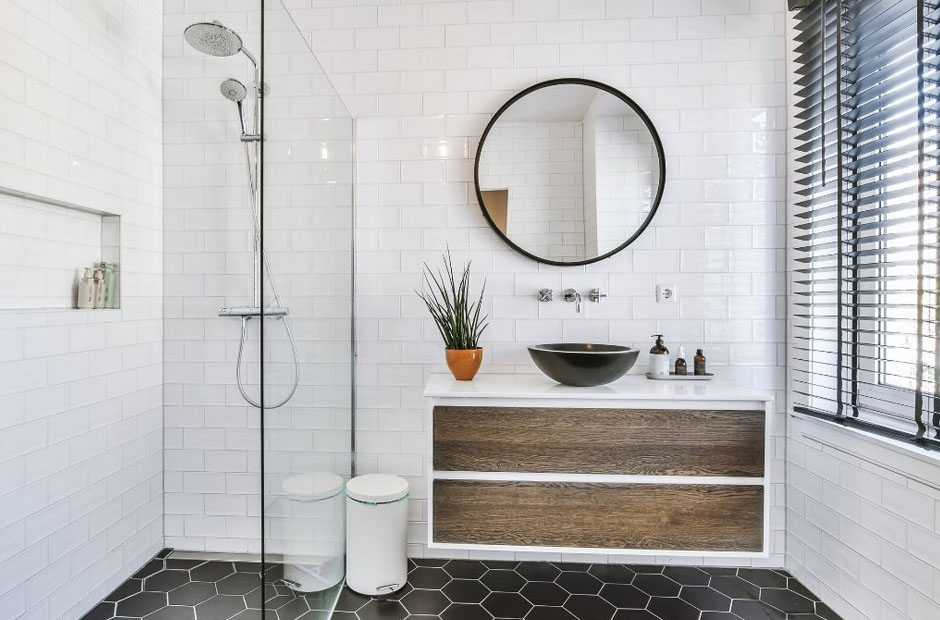
This is where many renovation designs quietly lose their original intent. A floating vanity might need to shift. A shower may need to move closer to existing lines. Even subtle changes in placement can affect cost significantly because they require reworking systems instead of simply installing finishes.
Why Design-First Thinking Creates Hidden Costs
The most common mistake in bathroom remodeling is committing to aesthetics before understanding infrastructure. It feels natural because design is the exciting part of the process. Homeowners imagine the final space, not the mechanical systems behind it.
However, once demolition begins, design decisions often collide with physical limitations. A freestanding bathtub, for example, might require new supply lines routed under concrete. A rainfall shower system may demand pressure upgrades that weren’t accounted for in the initial plan.
These changes rarely appear as single expenses. They cascade through the project, affecting flooring, wall structure, and sometimes even electrical layouts. What begins as a design adjustment can quickly evolve into a full system revision.
Early coordination with a Lexington plumber prevents most of these issues because it shifts the conversation from “what looks good” to “what actually works efficiently in this specific structure.”
Where Water Heating Quietly Changes the Entire Experience
One of the most underestimated parts of bathroom renovation is water heating capacity. Homeowners often assume that if hot water exists in the home, it will automatically support new fixtures. In reality, upgraded bathrooms often increase demand far beyond what older systems were designed to handle.
A larger soaking tub or dual shower setup changes not just consumption but recovery time. That means the system must heat and deliver water faster and more consistently. When it cannot keep up, the result is uneven temperature performance that undermines the entire sense of comfort in the space.
In many modern renovations, this is where tankless or high-efficiency systems become relevant. Not because they are trendy, but because they align better with higher and more variable demand patterns.
Why Plumbing Decisions Affect the “Feel” of a Finished Bathroom
There is a difference between a bathroom that looks finished and one that feels right. That difference is often rooted in water behavior: pressure consistency, drainage speed, and temperature stability.
If water drains slowly, even the most expensive tile work feels less refined. If pressure fluctuates during a shower, the space immediately loses its sense of quality. These are not aesthetic problems; they are system design outcomes.
This is also why plumbing upgrades during renovation are rarely just technical improvements. They directly affect how the space is experienced on a daily level. The goal is not only to install fixtures but to ensure that those fixtures perform in a way that matches the design intent.
Remodeling Works Best When Function Leads Design
The most successful bathroom renovations do not start with finishes. They start with feasibility. Once the plumbing layout is understood, design decisions become more focused and realistic without losing creativity.
Instead of forcing a layout to match a visual concept, the concept evolves around what the home can support efficiently. This creates fewer compromises during construction and more consistency in the final result.
Professionals like KY-PD Plumbing often emphasize this early alignment because it reduces rework and keeps both design and functionality intact from start to finish.
A well-designed bathroom is not just visually appealing. It is a space where everything works quietly in the background without interruption, and that only happens when plumbing is treated as part of the design process from day one.