A solar agreement is a major financial and technical commitment that can shape long-term energy costs and system performance. Before placing your signature on any contract, it is important to understand how pricing, installation standards, maintenance responsibilities, and performance guarantees are defined. Many homeowners and businesses overlook critical details that later affect savings and system reliability.
Asking the right questions helps clarify expectations and reduces the risk of hidden obligations or unclear service terms. A thoughtful review of the contract ensures that both parties share a clear understanding of deliverables, timelines, and accountability throughout the entire project lifecycle overall
Key Areas to Examine First
1. Project Scope and Work Responsibilities
One of the first areas to focus on in a solar agreement is the clarity of the project scope. This includes a detailed explanation of what the solar company is responsible for delivering, from system design to final installation. A well-defined scope helps prevent misunderstandings about equipment quality, labor responsibilities, and project timelines. It is important to ask how changes to the design or installation plan will be handled if unexpected site conditions arise. Clear communication about permitting, inspections, and grid connection responsibilities should also be outlined in the agreement. Without this level of detail, customers may face delays or additional costs that were not initially anticipated.
A transparent scope of work also allows for better comparison between different providers, ensuring that each proposal can be evaluated on equal terms. Understanding these details early can reduce confusion and help create a smoother installation process from start to finish, overall process efficiency
2. Financial Structure and Payment Clarity
Understanding the financial structure of a solar contract is essential because it determines how payments are made and what long-term costs may look like. Customers should ask for a detailed breakdown of equipment pricing, installation fees, and any additional charges that could arise during the project. Financing options, lease agreements, and purchase plans should be clearly explained so there are no surprises after installation begins. It is also helpful to understand how incentives or rebates are applied and whether they reduce upfront costs or are factored into long-term savings calculations. Some companies may present bundled pricing, while others separate each component for transparency.
In some cases, providers like AWS Solar may outline flexible financing arrangements that align with different budget needs. Clarifying these financial elements ensures that customers can make informed decisions and avoid unexpected obligations over the life of the system. This clarity often determines whether the investment feels manageable over time or becomes financially restrictive for property owners. Reviewing payment schedules and interest structures can further support long-term planning decisions, with careful assessment required.
3. Performance Guarantees and Warranty Coverage
Performance guarantees and warranty terms are another critical aspect of a solar contract that should be reviewed carefully before commitment. These clauses define how the system is expected to perform over time and what remedies are available if performance falls below expectations. Customers should ask how energy output is measured and what benchmarks are used to determine acceptable efficiency levels. It is also important to distinguish between product warranties, which cover equipment defects, and workmanship warranties, which address installation quality. Understanding the duration and coverage of each type of warranty helps set realistic expectations about long-term system reliability. In addition, it is useful to ask how maintenance or repairs are handled during the warranty period and whether service calls are included or billed separately.
A clear explanation of these terms ensures that customers are protected against unforeseen technical issues that may arise after installation is complete. Proper documentation also helps avoid disputes later in the contract lifecycle. Customers should request written clarity on response times for technical support and repairs to ensure accountability is maintained.
4. Site Evaluation and Installation Planning
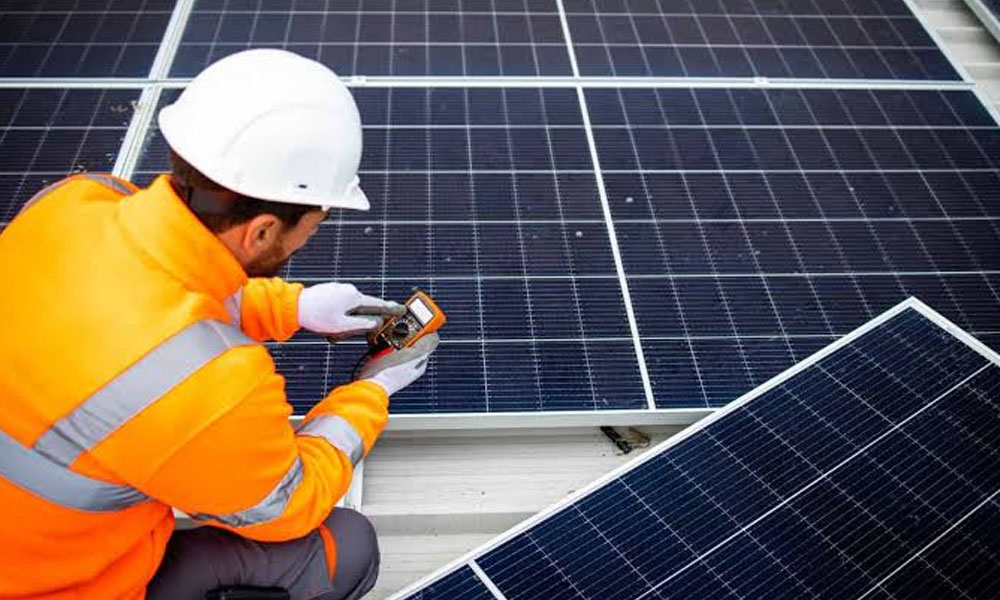
Site evaluation and installation planning play a significant role in determining how smoothly a solar project will progress. Before signing a contract, it is important to ask how the company assesses roof conditions, shading, and structural suitability. These factors directly influence system efficiency and long-term durability. Customers should also understand whether the company handles structural modifications if needed or if additional contractors are required. Questions about installation timelines, crew qualifications, and safety procedures help clarify how the project will be executed. It is equally important to confirm how permitting and grid connection approvals are managed, as these processes can significantly affect project duration.
A clear explanation of site preparation and installation responsibilities reduces the risk of delays and ensures that all necessary steps are properly coordinated. Knowing how potential obstacles are addressed in advance provides greater confidence in the overall execution of the solar project. This also helps property owners align expectations with real-world site constraints and planning requirements. Clear scheduling discussions reduce misunderstandings between contractors and clients during installation phases, ensuring smoother coordination overall
5. Monitoring and Long-Term Maintenance
After installation, ongoing monitoring and maintenance expectations should be clearly defined within the contract to ensure system performance remains consistent over time. Customers should ask whether monitoring tools are provided to track energy production and detect potential issues early. It is also important to understand how often system inspections are recommended and who is responsible for carrying them out. Some agreements include maintenance packages, while others require separate arrangements for servicing. Clarifying these details helps avoid confusion about long-term responsibilities and ensures that system performance is not compromised due to a lack of upkeep. It is also useful to know how performance issues are reported and what response time can be expected from the service provider.
A well-defined maintenance structure supports reliability and helps protect the investment over the lifespan of the solar system. This clarity also supports predictable budgeting for future servicing needs. It ensures that both parties understand responsibility boundaries across the system’s operational life, which reduces conflict and improves long-term satisfaction with performance outcomes over the entire system agreement period, consistently maintained
A solar contract represents a long-term commitment that requires careful attention to detail before signing. Taking time to review financial terms, performance expectations, warranty coverage, and installation responsibilities helps prevent misunderstandings later. Asking clear and direct questions ensures that both parties share the same understanding of project deliverables and ongoing obligations.
A well-reviewed agreement supports smoother project execution and reduces the likelihood of unexpected costs or service issues. By focusing on clarity and transparency throughout the contract process, property owners can make decisions that align with their energy goals and financial plans while maintaining confidence in system performance over time.