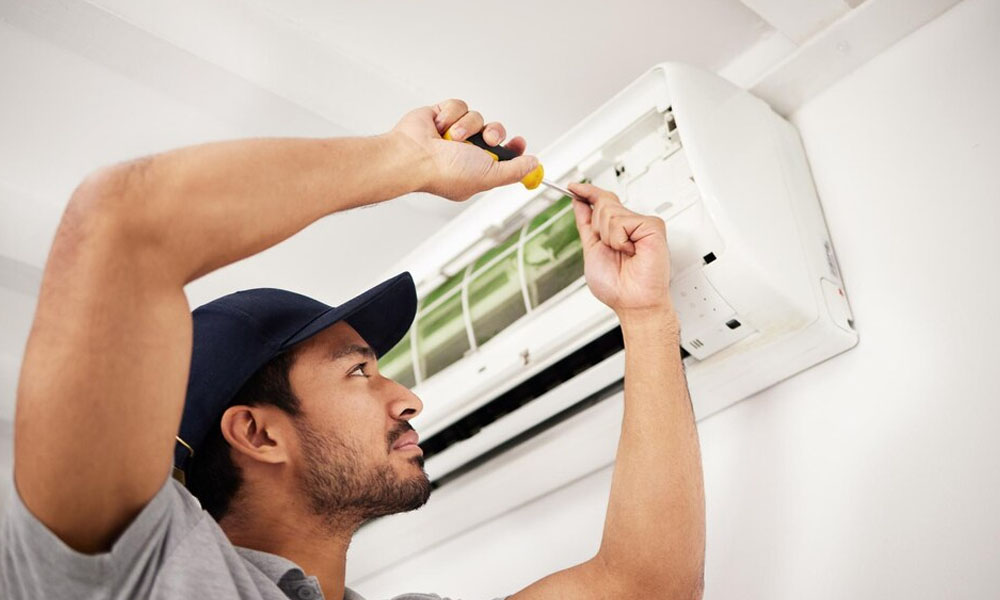
Water around an indoor air conditioning unit can cause homeowners to worry about floor damage, ceiling stains, musty odors, or the system failing soon. An AC unit normally removes moisture from indoor air, but that water should drain away through the proper line. When water appears near the unit, something is stopping drainage or causing excess moisture. Air conditioning service helps find the source of the leak, clear blockages, inspect key parts, and protect the home from avoidable damage before the problem spreads.
Leaks Need Quick Attention
Clogged Drain Lines Are Often the Cause
One of the most common reasons for water around the indoor unit is a clogged condensate drain line. As the air conditioner cools the home, moisture collects on the evaporator coil and flows into a drain pan before leaving through the drain line. Over time, dust, algae, dirt, and debris can build inside that line and block the water from moving out. When the line clogs, water may back up into the pan and overflow near the unit. Homeowners scheduling HVAC and Air Conditioning Services in Vista, CA, can have the drain line inspected before a leak causes damage to flooring, drywall, or the ceiling. A technician can clear the blockage, flush the line, check the slope, and confirm that water flows properly again. This step helps stop the immediate leak while also reducing the chance of repeat overflow during humid or high-use periods.
Drain Pans Can Crack or Rust Over Time
The drain pan plays an important role in collecting moisture that drips from the evaporator coil. If the pan is cracked, rusted, shifted, or poorly positioned, water may escape before it reaches the drain line. Older systems may have pans that weaken over time, while newer systems can still leak if the pan is damaged during service work or by vibration. Air conditioning service helps by closely inspecting the pan for pinholes, corrosion, loose fittings, and signs that water is not sitting where it should. A technician can determine whether the pan can be repaired, adjusted, or replaced. This matters because a small crack can release enough water to stain ceilings, soak insulation, or damage nearby surfaces. A leaking pan may not always cause a large puddle at first, but moisture can collect slowly and create hidden problems. Repairing or replacing the pan helps restore proper drainage and keep condensation under control.
Frozen Coils Can Lead to Water Overflow
Water leaks around the indoor unit may also happen after the evaporator coil freezes and then thaws. Ice can form when airflow is restricted, refrigerant levels are low, the filter is clogged, or the blower is not moving enough air. While the coil is frozen, the system may cool poorly or blow weak air. When the ice melts, extra water can overwhelm the drain pan or drip into areas where it should not go. Air conditioning service helps by looking beyond the puddle and finding why the coil froze in the first place. A technician may check the filter, blower motor, coil condition, refrigerant pressure, duct airflow, and thermostat operation. This is important because simply cleaning up the water will not stop another leak if the coil keeps freezing. Correcting the cause of the freeze-up helps the system remove humidity properly, keeps drainage manageable, and protects the compressor from added strain.
Dirty Filters and Weak Airflow Create Moisture Trouble
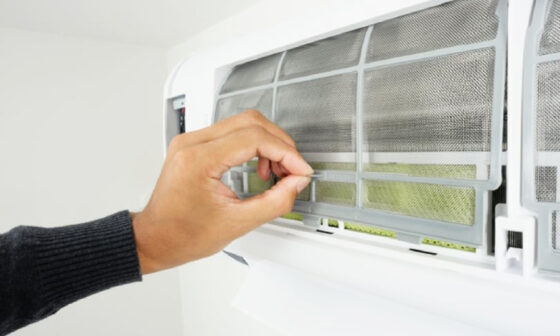
Airflow directly affects how well the air conditioner manages moisture. If the filter is packed with dust or the return vents are blocked, less warm air reaches the evaporator coil. This can cause the coil to become too cold, encourage ice buildup, and lead to leaking once the ice melts. Weak airflow can also make the system run longer, increasing the amount of condensation produced during each cycle. Air conditioning service helps by checking the filter, blower wheel, fan motor, duct restrictions, and supply vents. A technician can replace a dirty filter, clean accessible parts, and determine whether closed vents or duct issues restrict airflow. Restoring airflow helps the system cool more evenly and manage moisture more effectively. This can prevent leaks that start as small damp spots and later become larger water issues around the indoor unit.
Safety Switches and Pumps May Need Repair
Many indoor AC units include safety switches or condensate pumps that help manage water when gravity drainage is not enough. A safety switch may shut the system off when the drain pan fills too high, helping prevent overflow. A condensate pump moves water away when the unit is located in a basement, attic, closet, or other area where the drain line cannot slope naturally. If the switch fails, the pump stops working, or the tubing becomes blocked, water can collect around the unit. Air conditioning service helps test these parts and confirm they respond correctly. A technician can inspect pump operation, clean the reservoir, check the tubing, test the float switch, and ensure water is being pumped out of the home. These parts are easy to overlook, but they can prevent major water damage when working properly. Repairing them keeps the drainage system dependable during long cooling cycles.
Early Service Protects the Home
Air conditioning service helps fix water leaks around the indoor unit by checking drain lines, drain pans, frozen coils, airflow, safety switches, and condensate pumps. A leak may seem simple, but it can indicate a deeper cooling or drainage issue that should be corrected before damage spreads. Water near the unit can damage flooring, ceilings, insulation, and indoor air quality if left unchecked. A careful service visit finds both the visible leak and its cause. When drainage and airflow are restored, the system can remove moisture properly, cool more steadily, and protect the home from repeat leaks.