Owning a seasonal home, whether it is a lakeside cabin for summer retreats or a cozy mountain chalet for winter skiing, is an incredible luxury. It represents a private escape from the hustle and bustle of daily life—a place where memories are made and relaxation is the primary goal.
However, because these properties sit empty for months at a time, they face unique risks that your primary residence rarely encounters. An unoccupied house is highly vulnerable to unnoticed environmental changes, structural wear, and wildlife intrusions. Without regular upkeep and watchful care, a dream vacation home can quickly transform into an expensive restoration project. Understanding why seasonal homes require extra attention can save you from major financial headaches.
1. The Threat of Undetected Water Damage
Water damage is one of the single most destructive forces a property can face, and its severity increases exponentially the longer it goes unnoticed. In a primary residence, a small pipe leak under the bathroom sink is usually spotted within a few hours. In a seasonal home, that same leak can flow completely unchecked for months.
By the time you return for the season, a minor plumbing issue could have flooded your subfloors, ruined your drywall, and led to extensive structural rot. Furthermore, stagnant water combined with a lack of airflow creates the perfect environment for mold and mildew to spread throughout the entire house. Properly winterizing your plumbing, shutting off the main water valve, and draining the lines before leaving are essential steps to protect the structural integrity of your retreat.
2. Uncontrolled Indoor Climate Extremes
When a home is left empty, many owners turn off the heating and cooling systems completely to save on utility bills. While this looks good for your budget on paper, exposing the interior of your home to extreme seasonal temperature swings can cause severe damage.
In freezing climates, unheated homes face the immediate threat of burst pipes. Conversely, excessive summer heat and high humidity can cause wooden furniture to warp, drywall to crack, and wallpaper to peel away from the studs. Keeping your thermostat set to a conservative, baseline temperature year-round keeps the indoor environment stable, protecting your fixtures, electronics, and structural materials from expanding and contracting violently.
3. Vulnerability to Wildlife and Pests
An empty house is a quiet, warm, and highly inviting sanctuary for local wildlife. Mice, rats, squirrels, raccoons, and insects look for undisturbed environments to build nests, raise their young, and escape harsh outdoor weather.
Because there are no human footsteps or lights turning on to scare them away, these critters can cause immense damage. They chew through expensive electrical wiring, destroy fiberglass insulation, and ruin furniture cushions. While residential cabins are highly prone to this, nearby businesses face similar challenges with wildlife looking for shelter. Utilizing professional commercial pest control in Kansas City or your local area ensures that properties remain sealed and protected against costly infestations. Routinely checking your exterior vents, sealing foundation cracks, and capping chimneys are vital to keeping nature outside where it belongs.
4. The Risk of Accumulating Exterior Wear
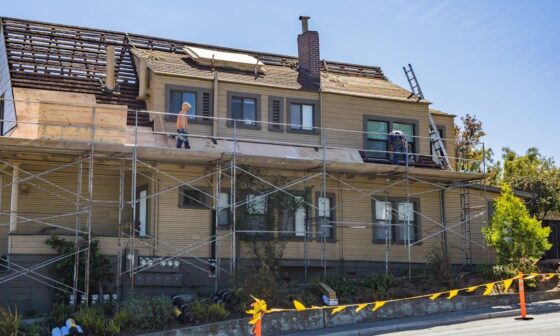
Your home’s exterior is constantly battling the elements. Severe storms, heavy snowfall, falling tree branches, and high winds can cause immediate damage to your roof, gutters, and siding.
When you live in a home full-time, you notice right away if a storm rips off a few roof shingles or clogs your gutters with leaves. At a seasonal property, that missing shingle leaves your roof deck exposed to rain for months, leading to hidden wood rot. Clogged gutters can cause water to back up directly under your roofline, rotting the fascia boards and shifting your foundation. Hiring a local property manager or asking a trusted neighbor to walk the perimeter of your home after major weather events can stop minor exterior damage from escalating.
5. Vulnerability to Deteriorating Security and Upkeep
A home that looks obviously abandoned or neglected for long periods can become a prime target for vandalism or opportunistic theft. Overgrown lawns, a pile of uncollected newspapers, and a completely dark driveway send a clear signal that nobody is home.
Maintaining the illusion of occupancy is a simple yet highly effective way to protect your property. Utilizing smart timers for interior and exterior lights, hiring a local service to keep the lawn mowed or the driveway plowed, and installing a remote security camera system can give you absolute peace of mind. Keeping the property looking pristine and active naturally deters unwanted visitors.
Conclusion
Caring for a seasonal property requires shifting from a reactive mindset to a proactive approach. Because you cannot see or hear what is happening inside the house every day, implementing strict preventative measures is your best defense against structural decline. By managing your plumbing, regulating your indoor climate, sealing out pests, and monitoring exterior wear, you can ensure your getaway remains a true sanctuary. Investing a little extra time and attention into your home today guarantees it will be ready to welcome you back safely for your next vacation.