Your house can look great on the surface and still have a bunch of small problems quietly making daily life harder. You notice it when rooms stay stuffy, energy bills climb, or certain spaces never seem comfortable, no matter what you do.
Most people focus on upgrades they can show off. Fresh flooring, trendy paint colors, fancy countertops. But the features that actually affect your comfort are often the ones you barely think about until something stops working. Paying attention to certain areas gives you a house that runs smoothly every day, not just one that looks good in photos.
Let’s talk about the home features that deserve a closer look and why they can save you money, stress, and a lot of frustration.
Why a Well-Functioning Garage Door Matters
You probably use your garage door more than your front door, yet it rarely gets attention until something goes wrong. A garage door that jerks, squeals, or struggles to close is not just annoying. It can leave your home exposed to theft, pests, weather damage, and serious safety risks.
Broken springs, damaged cables, bent tracks, and unresponsive openers need quick attention because these problems can suddenly trap your car inside or leave the door hanging halfway open. If the door drops too fast or refuses to stop while closing, that becomes dangerous for kids, pets, and anyone walking underneath.
Calling in an emergency garage door repair service becomes essential when the door will not close securely, gets stuck open late at night, or makes loud grinding noises that signal failing hardware. Fast repairs protect your home and prevent a small mechanical issue from turning into a full replacement.
Entryway Lighting That Improves Safety and Visibility
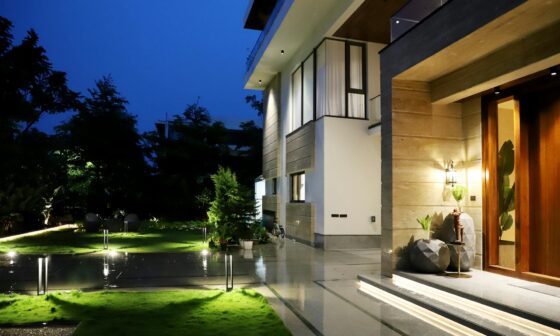
Good entryway lighting changes the way your home feels the second you pull into the driveway. Dim lighting makes steps harder to see, hides cracks in walkways, and leaves dark corners around doors and garages. That becomes a problem during rainy evenings, early winter sunsets, or when guests visit at night.
Bright, properly placed lights make it easier to unlock doors, carry groceries, and move around safely without fumbling for your phone flashlight. Motion sensor lights are especially useful because they instantly light up pathways when someone approaches. You also cut down the chance of visitors tripping near stairs or uneven pavement.
Proper Attic Ventilation and Airflow
Attics are easy to ignore because you rarely spend time up there, but poor airflow can make the rest of your house uncomfortable. When hot air gets trapped in the attic during summer, it pushes heat into the rooms below. Your AC keeps running longer, yet certain rooms still feel warm and stuffy by afternoon.
During colder months, trapped moisture creates another problem. Condensation can build up around insulation and wood framing, leading to mildew smells and water stains on ceilings. Proper ventilation keeps air moving so heat and moisture do not collect inside the space.
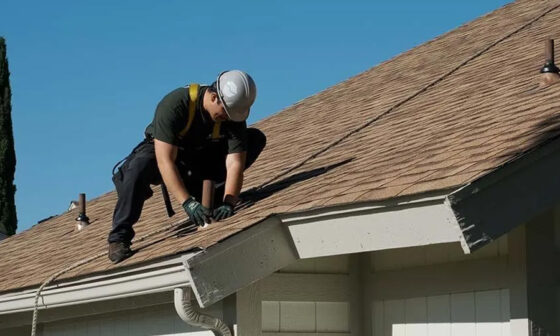
You also protect your roof by reducing excess heat buildup under the shingles. That helps roofing materials last longer and prevents the attic from turning into a furnace every summer afternoon.
Bathroom Exhaust Fans That Actually Work
A weak bathroom fan causes more problems than most people expect. Steam hangs in the air longer, mirrors stay fogged up, and moisture settles into walls, ceilings, and grout lines. That damp environment creates the perfect conditions for mildew and peeling paint.
A strong exhaust fan clears humidity quickly, so the room dries faster after showers. Towels dry properly, cabinets stay in better shape, and the bathroom smells fresher instead of damp and stale. You also reduce the chance of mold growing around corners and ceiling edges.
Many older fans barely remove moisture because they are clogged with dust or simply too small for the room. Replacing them with a quieter, more powerful model improves airflow immediately without turning the bathroom into a noisy wind tunnel.
Gutters and Drainage Systems Around the Home
Gutters are not exactly exciting to think about, but when they stop working properly, the problems show up fast. Water spills over the edges, pools near the foundation, and soaks into landscaping instead of draining away from the house. After heavy rain, you might even notice muddy patches forming near walls or water dripping behind the gutters.
Clogged systems also put extra weight on the gutters themselves. That leads to sagging sections, loose fasteners, and damage around the roofline. In colder weather, trapped water can freeze and create even more strain.
Keeping gutters clean and making sure downspouts direct water away from the house protects siding, walkways, and the foundation. You avoid water stains, soil erosion, and those frustrating leaks that seem to appear out of nowhere after storms.
Electrical Outlets and Hidden Wiring Issues
You use outlets every day without giving them much thought, but outdated wiring and damaged outlets can create serious problems inside the walls. Flickering lights, warm outlet covers, buzzing sounds, or breakers that trip constantly are all signs that something needs attention.
Older homes especially struggle with modern electrical demands. Too many devices plugged into one area can overload circuits and create heat behind the walls. That heat damages wiring insulation and increases fire risk.
Adding properly placed outlets also makes your home easier to live in. You stop relying on extension cords stretched across rooms or overloaded power strips behind furniture. USB outlets, upgraded panels, and grounded wiring give you safer, more reliable power for everything from kitchen appliances to home office setups.
Interior Doors and Their Impact on Privacy and Comfort
Interior doors affect your home more than you realize until one starts sticking, rattling, or refusing to close properly. A warped bedroom door can ruin privacy, while hollow doors let noise travel straight through the house. You hear every conversation, TV show, and late-night kitchen trip from the next room.
Solid, properly fitted doors help create quieter spaces where you can actually relax or focus. That becomes especially important if you work from home, have kids, or live with multiple family members under one roof.
Well-installed doors also help with temperature control between rooms. Air-conditioned spaces stay cooler, heated rooms stay warmer, and airflow becomes easier to manage throughout the house.
A comfortable home is not built from trendy upgrades alone. It comes from knowing the small details around you actually work the way they should. The best homes are not always the fanciest ones. They are the homes that feel reliable the moment you walk through the door. Nothing squeals, leaks, sticks, rattles, or forces you to deal with unnecessary stress after a long day. That kind of comfort comes from paying attention to the parts of your home most people ignore until something breaks.