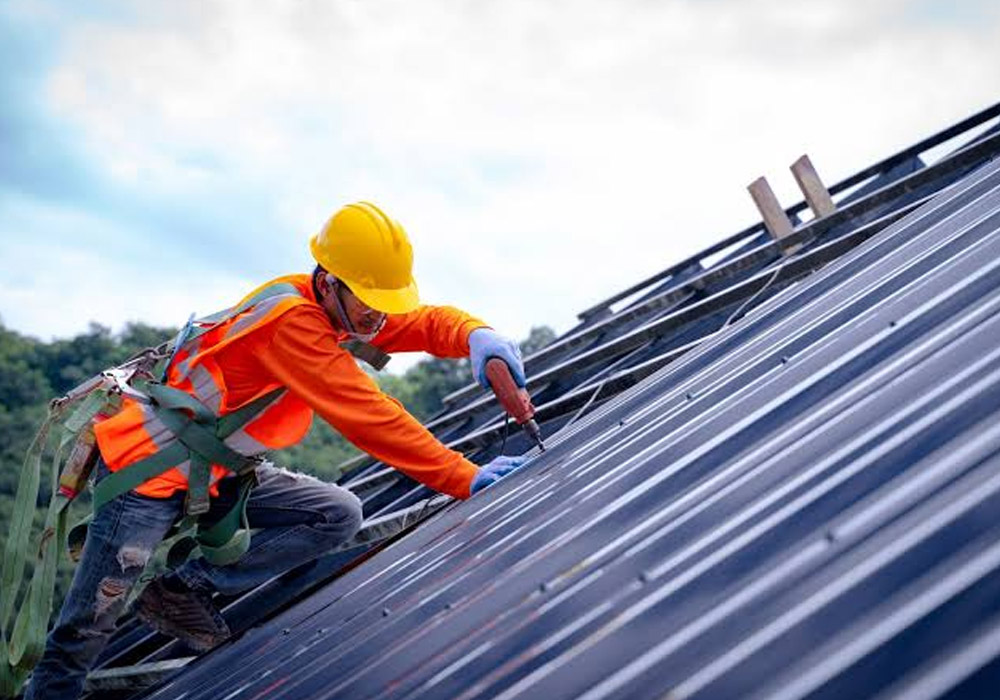
Hiring a roofing company in Hamilton, Ohio, is an important decision for any homeowner. Whether you’re dealing with storm damage, an aging roof, missing shingles, or a persistent leak, choosing the right contractor involves more than comparing prices.
A roofing contract outlines what work will be completed, how much you’ll pay, which materials will be used, and what happens if something goes wrong. Signing without understanding these details can lead to unexpected expenses, project delays, and disagreements over workmanship.
Before committing to a roofing contractor, homeowners should take several practical steps to protect their property and their investment.
1. Understand Your Roof’s Condition Before Requesting Estimates
Before contacting a roofing company in Hamilton, Ohio, take time to understand why your roof needs attention.
Not every roofing problem requires a complete replacement. Some issues can be addressed through targeted repairs, while others indicate that the roofing system has reached the end of its useful life.
Common warning signs include:
- Missing, cracked, or curling shingles
- Water stains on ceilings or interior walls
- Damaged flashing around chimneys and vents
- Granules collecting in gutters
- Sagging or visibly uneven roof sections
- Repeated leaks despite previous repairs
- Damage following strong winds or hailstorms
Homeowners should inspect their roofs from the ground and avoid climbing onto damaged or steep surfaces.
A professional roofing inspection helps establish the condition of the shingles, flashing, ventilation, underlayment, and other components.
Before signing a contract, ask the contractor to explain whether a repair or replacement is necessary and why.
If replacement is recommended, request photographs or other documentation showing the problems that justify the proposed work.
2. Research Roofing Companies Serving Hamilton, Ohio
Choosing a contractor based solely on the lowest estimate is rarely the best approach.
A roofing company should demonstrate that it has the experience, insurance coverage, and operational processes necessary to complete the project properly.
Start by researching contractors that regularly work in Hamilton and surrounding Butler County communities, including Fairfield, Liberty Township, and West Chester.
Review the company’s website, customer feedback, and previous roofing projects.
Pay particular attention to how the contractor responds to complaints, communicates with customers, and handles problems after installation.
What should you verify about a roofing contractor?
Before moving forward, confirm:
- The company’s legal business name and contact information
- Relevant local registration or licensing requirements
- General liability insurance and workers’ compensation coverage, as applicable
- Experience with your particular roofing system
- References from recent customers
- Written workmanship warranty terms
Ohio does not have a single statewide roofing contractor license for ordinary residential roofing work. However, local registration and permit requirements can apply.
Homeowners should confirm the applicable requirements with the City of Hamilton before authorizing construction.
A reputable contractor should be comfortable providing documentation and answering questions about their qualifications.
3. Get Multiple Written Roofing Estimates
One of the most effective ways to evaluate roofing companies is to obtain at least three written estimates.
This provides a clearer understanding of the proposed scope, materials, project timeline, and overall investment.
However, comparing roofing estimates requires more than looking at the final price.
One contractor might include complete flashing replacement, upgraded underlayment, and disposal fees, while another may leave these items out.
What should a roofing estimate include?
| Estimate component | What homeowners should verify |
|---|---|
| Roofing materials | Manufacturer, product line, shingle type, and color |
| Roof removal | Whether existing roofing materials will be removed |
| Underlayment | Type and areas of installation |
| Flashing | Whether existing flashing will be reused or replaced |
| Ventilation | Any proposed changes to intake or exhaust ventilation |
| Decking | How damaged wood will be identified and priced |
| Labor | Whether installation labor is included |
| Disposal | Dumpster, debris removal, and cleanup |
| Permits | Who obtains required permits and pays associated fees |
| Warranty | Manufacturer coverage and contractor workmanship protection |
| Total price | Full project cost and potential additional charges |
A detailed estimate makes it easier to identify meaningful differences between contractors.
If one estimate is substantially lower than the others, ask the contractor to explain the difference before accepting it.
The lowest price is not necessarily the lowest total cost when materials, installation quality, and future repairs are considered.
4. Confirm the Exact Scope of Roofing Work
A roofing contract should clearly define what the contractor is responsible for completing.
General descriptions such as “install new roof” or “repair damaged shingles” leave too much room for interpretation.
Instead, the agreement should identify the specific roofing areas being repaired or replaced and the materials involved.
For a full roof replacement, the scope should address removal of existing materials, inspection of the decking, installation of underlayment, flashing details, ventilation, shingles, and final cleanup.
For roof repairs, the agreement should identify the affected areas and describe how the contractor intends to correct the problem.
Ask about unexpected damage
One important issue to address is hidden damage.
Roof decking sometimes appears sound until the existing shingles and underlayment are removed. Moisture damage, deteriorated wood, or previous installation problems may require additional work.
Before signing, ask how these situations are handled.
The contract should explain how additional work is documented, how pricing is determined, and whether your written approval is required before the contractor proceeds.
This protects both parties from disputes about unexpected expenses.
5. Verify Roofing Permits and Local Building Requirements
Roofing projects in Hamilton must comply with applicable building codes and permit requirements.
The City of Hamilton provides a roofing permit application for existing buildings and requires inspection approvals for permitted roofing work, including underlayment and completed roof installation.
Before signing a contract, ask who will obtain the permit, schedule inspections, and address any corrections required by the building department.
Homeowners can confirm requirements through the City of Hamilton Building Department.
Properties located within designated historic areas may also require architectural review before exterior roofing changes.
Getting these details resolved before work begins helps prevent avoidable delays.
6. Review the Payment Schedule Before Agreeing to Anything
Payment terms deserve careful attention because roofing projects represent a substantial financial commitment.
A written agreement should explain the deposit, progress payments, and final balance.
Avoid contracts requiring full payment before work begins.
A reasonable payment arrangement establishes clear milestones and identifies when each payment becomes due.
Homeowners should also confirm whether the contractor accepts checks, credit cards, or financing and whether additional fees apply.
The City of Hamilton recommends milestone-based payments and advises homeowners to verify final inspection approval before making the final payment.
What if insurance is paying for the roof?
When storm damage is involved, review the insurance claim separately from the roofing contract.
Confirm the deductible, approved repair scope, payment schedule, and any costs that insurance will not cover.
The homeowner remains responsible for understanding the agreement with the contractor, even when an insurance company contributes toward the work.
Avoid signing documents that give a roofing company broad authority over your insurance claim without understanding the terms.
7. Understand Roofing Warranties and What They Actually Cover
Roofing warranties generally fall into two categories: manufacturer warranties and contractor workmanship warranties.
A manufacturer’s warranty covers qualifying defects in roofing products according to the manufacturer’s terms.
A workmanship warranty addresses certain installation-related problems and is provided by the contractor.
These warranties are not interchangeable.
Before signing, request written copies of both warranties and review their exclusions, coverage periods, and claim procedures.
Ask whether the warranty is transferable to a future homeowner and whether repairs must be performed by the original contractor.
A long warranty period has limited value if the terms are unclear or the contractor is unwilling to explain its responsibilities.
8. Establish a Realistic Roofing Project Timeline
Hamilton homeowners regularly deal with changing Midwest weather, including heavy rain, strong winds, snow, and freezing temperatures.
Weather conditions can affect roofing schedules, especially when installation requires dry surfaces and manufacturer-specified temperatures.
Before entering a contract, discuss when the project will begin and how long the work is expected to take.
The agreement should establish a projected start date, anticipated completion window, and procedures for weather-related delays.
Ask how the contractor will protect exposed roofing areas if work is interrupted.
It is equally important to establish who will communicate scheduling updates and answer questions during the project.
9. Discuss Property Protection and Cleanup Procedures
Roofing work affects more than the roof itself.
Removing old shingles and installing new materials can create debris around landscaping, driveways, patios, and neighboring areas.
Before signing, ask how the roofing company will protect your property.
Discuss where dumpsters and materials will be placed, how landscaping will be protected, and whether vehicles need to be moved.
The contract should also address debris removal, magnetic nail cleanup, and final property inspection.
Homeowners should know who is responsible if siding, gutters, windows, or landscaping are damaged during construction.
These expectations are easier to manage when established before the project starts.
10. Read the Entire Roofing Contract Before Signing
The final step is reviewing the contract carefully.
A detailed roofing agreement should reflect the conversations, estimates, and commitments made throughout the hiring process.
Pay attention to provisions involving cancellation, delays, additional charges, dispute resolution, and changes to the original scope.
Do not rely on verbal promises.
If the contractor agrees to replace flashing, install a particular shingle product, or complete additional repairs, those commitments should appear in writing.
Take time to ask questions about unfamiliar language.
A professional roofing contractor should be willing to explain the agreement without pressuring you into an immediate decision.
What Are the Biggest Red Flags When Hiring a Roofing Company in Hamilton?
Certain contractor behaviors deserve additional scrutiny.
Be cautious when a roofing company:
- Pressures you to sign immediately
- Refuses to provide proof of insurance
- Offers only verbal estimates
- Cannot identify the roofing materials being installed
- Avoids questions about permits
- Demands full payment before beginning
- Refuses to provide written warranty information
- Changes pricing without documenting the reason
One warning sign does not automatically establish that a contractor is dishonest. However, unresolved concerns should be addressed before signing a legally binding agreement.
A trustworthy roofing relationship begins with clear communication, transparent pricing, and documented expectations.
Frequently Asked Questions About Hiring a Roofing Company in Hamilton, Ohio
Should I get multiple roofing estimates before signing a contract?
Yes. Obtaining at least three detailed estimates helps homeowners compare pricing, materials, installation methods, and warranty coverage. The estimates should describe the same scope of work to support a meaningful comparison.
Do I need a permit to replace my roof in Hamilton, Ohio?
The City of Hamilton has a roofing permit process for existing buildings. Homeowners should confirm the requirements for their specific project with the Building Department before construction begins.
Should I pay a roofing contractor upfront?
Avoid paying the entire contract amount upfront. Review any requested deposit carefully and establish a written payment schedule tied to clearly defined project milestones.
Can I cancel a roofing contract after signing it?
Cancellation rights depend on the contract terms, where and how the agreement was made, and applicable consumer protection laws. Some home solicitation transactions qualify for a statutory cancellation period, but not every roofing agreement does. Review the cancellation provisions before signing.
What happens if a roofer discovers damaged wood during replacement?
The contractor should document the damage, explain the necessary repairs, and provide pricing before completing additional work. A written change order helps establish approval and prevent billing disputes.
How do I know whether a roofing contractor is trustworthy?
Look for verifiable insurance, relevant project experience, recent customer references, detailed estimates, and clear written warranties. Contractors should also explain local permit requirements and maintain consistent communication.
Final Thoughts: Make an Informed Decision Before Signing
Hiring a roofing company in Hamilton, Ohio, should begin with research, a thorough inspection, and a clear understanding of the proposed work.
Homeowners who compare estimates, verify qualifications, review warranties, and understand contract terms are better prepared to avoid unexpected costs and construction disputes.
The right roofing contractor does more than install shingles. They explain the condition of your roof, recommend appropriate solutions, protect your property, and establish clear expectations from the beginning.
Before signing, make sure every important detail is documented and every question has been answered. A little preparation upfront helps protect your home and makes the roofing process easier to manage.
Is this conversation helpful so far?