Urban living for students has shifted toward creating personal sanctuaries that balance study space with comfort. Modern student apartments are no longer basic boxes with mismatched furniture. Smart design choices now maximize small square footage, blend function with personality, and bring warmth to concrete city views.
Natural Light and Organic Touches
Bringing elements of the outdoors inside remains a dominant choice for compact city apartments. Natural textures like wood, linen, and terracotta soften industrial architecture. Adding indoor plants creates a relaxing environment that improves indoor air quality.
Biophilic design choices help reduce stress levels during heavy study sessions. Simple additions like woven rugs, bamboo shelving, or small potted herbs transform sterile rooms into peaceful retreats.
Smart Multi-Functional Furniture
Living in dense city environments means making every square foot count. Space-saving furniture allows students to shift their layouts between studying, sleeping, and hosting friends. Modular sofas, drop-leaf tables, and storage ottomans keep living areas clutter-free.
Finding the right floor plan helps maximize these layouts. Students searching for modern living spaces near West End Atlanta can find layouts built specifically for functional furniture setups. Having dedicated spaces for different activities keeps daily routines organized.
Desks that fold into wall units when not in use offer maximum floor space for weekend gatherings. Bed frames with built-in drawers underneath eliminate the need for bulky dressers in smaller bedrooms.
Thrifting furniture and decor items allows students to source unique pieces while staying within budget. Restoring an old wooden side table or repainting a mirror frame gives character to plain rooms. It also supports sustainable living practices by keeping furniture out of landfills.
Warm Color Palettes and Soft Lighting
Harsh overhead lighting is out, and warm, layered lighting is in. Floor lamps, desk task lights, and ambient string lights create distinct moods for work and relaxation. Using bulbs with warm temperature tones makes concrete city apartments feel cozy.
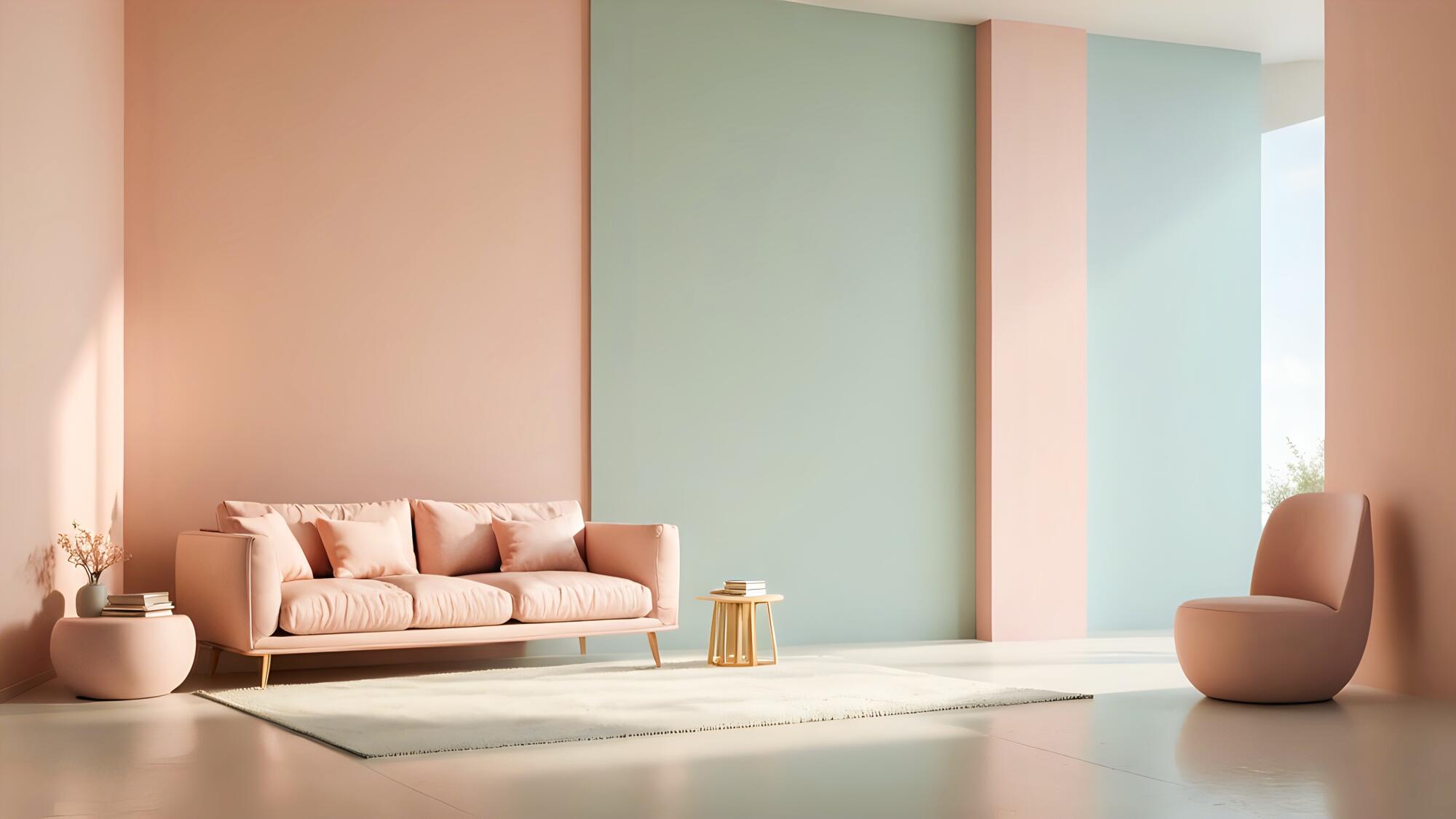
Color choices are also shifting away from stark whites and cool grays. Earthy tones like sage green, warm terracotta, soft beige, and deep mustard bring comfort to urban interiors. Painting an accent wall or adding colorful curtains instantly updates a room.
Defined Spaces for Hybrid Learning
Remote learning and digital study groups require defined work areas within living spaces. Noise-canceling design elements, ergonomic chairs, and clutter-free desk setups aid focus during long study hours.
In studio apartments or shared bedrooms, room dividers help establish clear boundaries. Folding screens, open bookshelf units, or hanging curtains separate study zones from sleep zones. Establishing these boundaries helps students maintain a healthy work-life balance within a single room.
A dedicated study area keeps textbooks and laptops off the bed. This separation improves sleep quality by reserving the sleeping zone strictly for rest and relaxation.
Cozy and Social Common Areas
Shared spaces in student apartments focus on comfort and connection. Deep seating, large floor cushions, and low coffee tables encourage roommates and guests to gather.
Arranging furniture to face inward rather than directly at a television screen fosters conversation. Throw pillows in soft fabrics make common areas inviting for casual study sessions or weekend relaxation. Small touches like shared magnetic boards or community calendars keep roommates organized and connected throughout the academic year.
Make Your Space Count
Balancing functional layouts, warm lighting, and personal touches helps city-dwelling students build stylish spaces. Thoughtful interior choices make small apartments feel like welcoming homes throughout university years. Make sure to check out the rest of our articles today!