Older homes have a timeless appeal that attracts homeowners who value craftsmanship, character, and history. However, these properties often require additional planning when modern electrical systems and emergency power solutions are introduced. Installing a backup home generator is not simply about choosing equipment and selecting an installation date. The age of the home, the condition of its electrical infrastructure, and local building requirements all influence how smoothly the project will proceed. Taking time to understand these factors before scheduling the installation can help reduce delays, prevent unexpected expenses, and ensure the generator safely and efficiently supports the home’s needs for many years.
Key Factors Before Installation
Evaluating the Existing Electrical System
One of the first considerations before scheduling a backup home generator installation in an older home is the condition of the existing electrical system. Many older homes still contain electrical panels, wiring, or service entrances installed decades ago, long before modern households relied on multiple appliances, electronic devices, and heating or cooling equipment. Even if the home’s electrical system appears to function normally during everyday use, it may not be prepared to integrate with a generator without modifications.
An electrician typically examines the capacity of the service panel, the grounding system, breaker condition, and wiring integrity before recommending the next steps. In some situations, outdated fuse boxes or undersized service panels may need to be replaced before the generator can be connected properly. These improvements contribute to a safer installation while helping the generator perform reliably during outages. Select Power generac generators are often discussed when homeowners compare dependable standby power options for older residential properties. Addressing electrical concerns early also helps homeowners create a more accurate budget and timeline while avoiding surprises once installation work begins.
Understanding Structural and Space Requirements
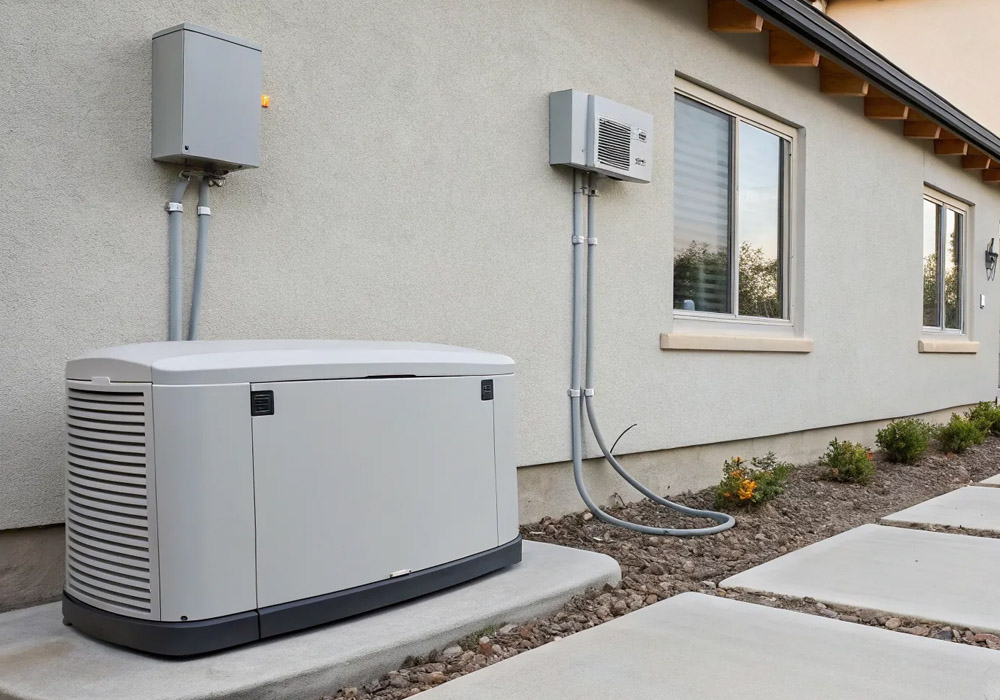
The physical layout of an older home often presents challenges that newer homes may not have. Properties built many decades ago sometimes have limited outdoor space, narrow side yards, mature landscaping, or additions that were completed long after the original construction. All these factors affect where a generator can be placed while maintaining proper clearance from doors, windows, vents, and neighboring structures. Installers also evaluate the stability of the installation surface because generators require a level foundation capable of supporting substantial weight. Drainage patterns deserve equal attention since standing water can affect long-term performance and accessibility during severe weather.
In addition to outdoor considerations, the pathway for electrical conduits and fuel lines may require creative planning to minimize disruption to finished walls or historical architectural features. Careful placement also allows technicians to perform future maintenance without unnecessary obstacles. By reviewing these structural details before scheduling installation, homeowners reduce the likelihood of adjustments that could increase project costs or extend completion times after work has already begun.
Reviewing Fuel Supply and Utility Connections
Choosing the appropriate fuel source is another important consideration for homeowners living in older properties. Backup generators commonly run on natural gas, propane, or diesel, but not every home has immediate access to all of these options. Older neighborhoods sometimes contain aging gas service lines that should be evaluated before connecting a standby generator. If propane is selected, homeowners need sufficient space for storage tanks and to accommodate future fuel deliveries. The expected runtime during extended outages also influences fuel planning, as different systems offer varying levels of convenience and storage capacity. Utility providers may have requirements regarding new gas connections or upgrades that affect scheduling.
Existing plumbing and underground utility locations should also be identified before excavation begins to avoid accidental damage. Coordinating these utility considerations before installation allows contractors to plan efficiently and obtain any required approvals in advance. This preparation reduces interruptions and helps ensure the generator has a dependable energy source whenever emergency power is needed.
Considering Local Codes and Permit Requirements
Every community establishes building regulations that govern generator installations, and older homes may require even closer review because they were constructed under previous building standards. Homeowners should understand that permits are often required before installation begins, and inspections may occur during multiple phases of the project. Local authorities may establish setback requirements, noise limitations, environmental considerations, and electrical safety standards that influence where and how the generator can be installed. Historic districts often introduce additional review processes designed to preserve neighborhood appearance or architectural integrity.
Failing to obtain proper approvals can result in delays, fines, or the need to modify completed work. Scheduling should therefore include enough time for permit applications, plan reviews, and inspection appointments before installation crews arrive. Contractors familiar with local regulations typically help coordinate these administrative steps, but homeowners benefit from understanding the process themselves. Allowing adequate time for approvals creates a smoother project while ensuring the finished installation complies with current safety and construction requirements.
Planning for Long-Term Maintenance and Accessibility
A backup generator represents a long-term investment rather than a one-time project, making future maintenance an important consideration before installation begins. Older homes frequently have landscaping features, fencing, storage buildings, or additions that can unintentionally limit access to mechanical equipment. Selecting a convenient installation location allows technicians to inspect, test, and maintain the generator throughout its lifespan without unnecessary difficulty. Homeowners should also think about seasonal conditions, including snow accumulation, heavy vegetation growth, or drainage issues that could affect accessibility during emergencies.
Routine maintenance involves inspections, oil changes, battery testing, and operational checks to keep the generator ready whenever utility power is interrupted. Accessibility also becomes valuable if repairs are needed after severe storms or prolonged outages when service providers may experience increased demand. Planning for these practical maintenance needs before scheduling installation helps prevent avoidable inconveniences later while supporting reliable operation year after year. A generator that is easy to reach and maintain is more likely to receive consistent care throughout its service life.
Installing a backup home generator in an older home involves careful planning that extends well beyond selecting equipment. Electrical evaluations, structural considerations, fuel availability, permitting requirements, maintenance planning, budgeting, and property preparation all contribute to a successful project. Giving each of these factors thoughtful attention before scheduling installation helps homeowners avoid unnecessary complications while improving long-term reliability. Older homes often require additional care because of their age and unique construction, but with proper preparation, they can support dependable backup power for years to come, providing greater confidence whenever unexpected power outages interrupt daily life.