Tankless water heaters are built to deliver steady hot water while supporting efficient household energy use. Even durable systems can develop internal problems that affect heating performance, water flow, and long-term reliability. Professional inspections help uncover these concerns early, allowing homeowners to address small issues before they interrupt daily comfort.
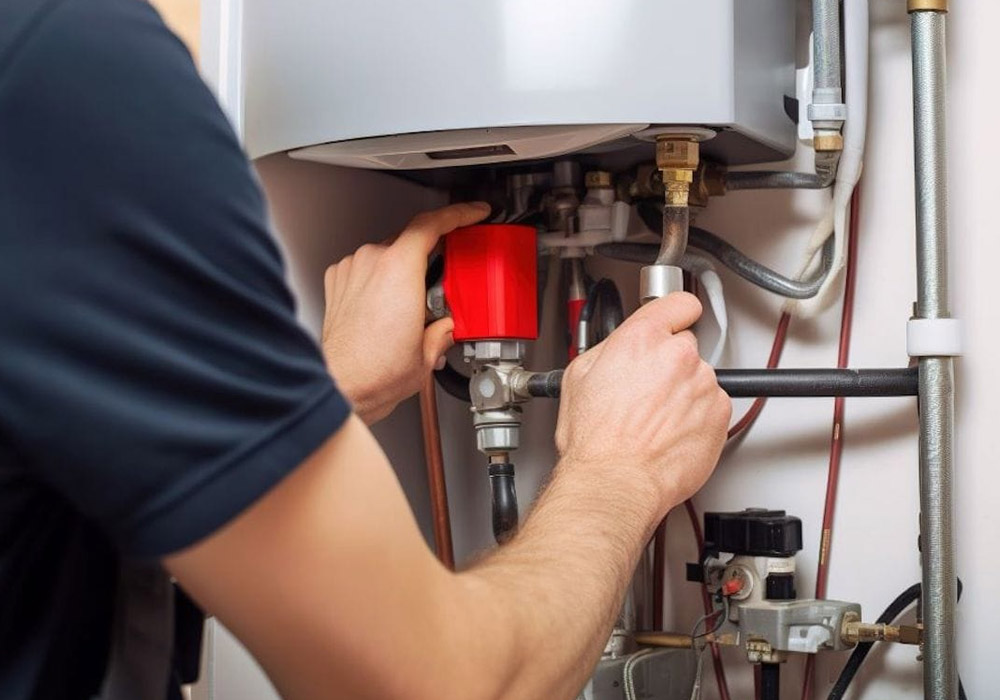
During a detailed inspection, technicians can identify internal component issues early and perform necessary tankless water heater repair before reduced efficiency and continuous system strain lead to larger operational problems. Internal components operate under constant pressure and heat, making routine evaluations important for maintaining safe and efficient performance. A carefully inspected unit is more likely to provide dependable hot water without sudden operational problems.
Mineral Scale Inside The Heat Exchanger
Mineral buildup is one of the most common problems discovered during professional inspections. Hard water leaves deposits inside the heat exchanger, which can restrict water movement and reduce heating efficiency over time. Thick scale accumulation may also force the system to work harder, increasing wear on internal components.
Inspectors carefully examine the heat exchanger for signs of blockage, overheating, and restricted circulation. Uneven water temperatures and delayed hot water delivery sometimes point to heavy mineral deposits inside the unit. Regular flushing and maintenance help reduce buildup and support consistent heating performance throughout the system.
Fuel Line And Ventilation Problems
Fuel supply issues can significantly affect the operation of a tankless water heater. During inspections, technicians check gas pressure levels, fuel connections, and ventilation pathways to confirm safe and proper operation. Weak fuel delivery can prevent the burner from maintaining stable heating performance during periods of high demand.
Ventilation systems also receive close attention during professional evaluations. Blocked vents, damaged exhaust pathways, or poor airflow may cause overheating and unsafe operating conditions inside the unit. Proper ventilation allows the system to release heat effectively while maintaining reliable daily operation.
Common Inspection Findings
- Mineral deposits around heating components
- Restricted airflow within ventilation pathways
- Corroded or loose plumbing connections
- Inconsistent burner operation
- Reduced hot water output
Ignition And Sensor Component Failures
Modern tankless water heaters depend on ignition systems and sensors to regulate water temperature accurately. During inspections, technicians evaluate these components for signs of wear, electrical issues, and buildup that could interfere with performance. Faulty sensors may cause irregular temperature readings that lead to inconsistent heating cycles.
Ignition failures are also frequently discovered during professional assessments. A damaged ignition component can prevent the unit from activating properly, resulting in interrupted hot water production. In many cases, timely tankless water heater repair restores reliable operation and helps prevent additional internal damage.
Water Flow Restrictions And Pressure Imbalances
Professional inspections sometimes uncover water flow restrictions that affect heating consistency throughout the system. Sediment buildup, partially blocked lines, and worn valves can reduce water pressure and interfere with normal operation. These conditions may place unnecessary stress on internal parts and shorten the lifespan of the unit.
Technicians also inspect pressure levels to confirm balanced system performance. Improper pressure can affect heating accuracy, increase component wear, and create fluctuating water temperatures during daily use. Addressing these issues early helps maintain steady operation and supports long-term efficiency.
Areas Commonly Checked During Inspections
- Heat exchanger condition
- Burner and ignition performance
- Water pressure stability
- Ventilation and exhaust flow
- Sensor accuracy and calibration
Importance Of Professional Tankless Water Heater Inspections
Professional inspections provide valuable insight into the overall condition of a tankless water heater system. Early detection of scale buildup, ignition problems, and water flow restrictions helps reduce the risk of costly operational failures. Routine evaluations also support efficient heating performance and help maintain dependable hot water throughout the home.
Experienced inspections focus on the internal components that directly affect system safety and reliability. Thorough maintenance and timely repairs help extend equipment lifespan while improving everyday comfort and energy efficiency. A properly inspected tankless water heater is better prepared to operate consistently under regular household demand.