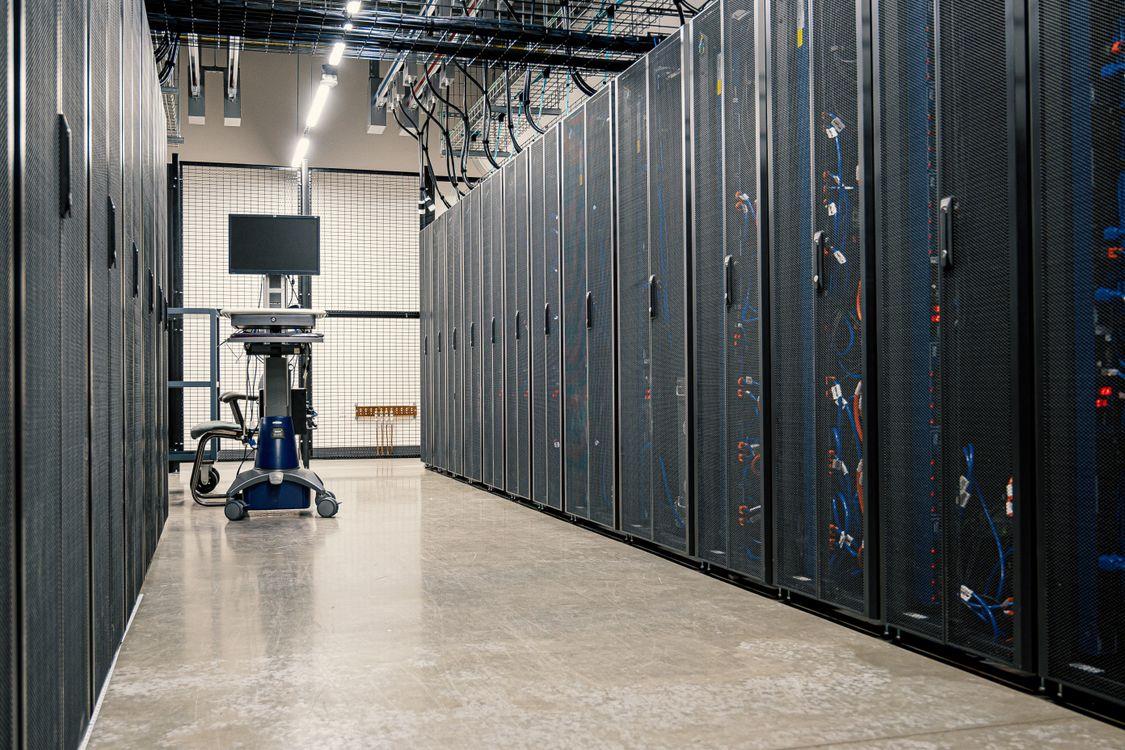
Have you ever stopped to think about where your photos, online purchases, streaming shows, and work files actually live? Most people do not. Yet behind nearly every digital activity is a data center working around the clock. In places like Houston, businesses and consumers now depend on these facilities more than ever, making reliable data center solutions a critical part of modern life.
The Digital Backbone of Modern Life
The average person interacts with cloud-based services dozens of times each day without realizing it. Sending emails, attending video meetings, ordering groceries online, and even checking the weather all rely on massive networks of servers processing and storing information.
As society becomes increasingly connected, the expectations placed on digital infrastructure continue to rise. Consumers want instant access to services, businesses expect uninterrupted operations, and governments depend on secure systems to deliver public services. Reliable data center solutions have become the foundation supporting these expectations, quietly powering the digital experiences people now take for granted.
Why Businesses Cannot Afford Downtime
Few things create panic faster than a system outage during business hours. Whether it is an online retailer losing sales or a healthcare provider unable to access patient records, downtime carries serious consequences that extend far beyond temporary inconvenience.
Organizations are increasingly investing in resilient infrastructure to reduce risk. Many companies are turning to Houston colocation services because they provide access to secure facilities, redundant power systems, advanced cooling technologies, and network connectivity without requiring businesses to build expensive facilities of their own. This approach allows companies to focus on growth while maintaining confidence that critical systems remain available even when unexpected disruptions occur.
The AI Boom Is Changing Infrastructure Demands
Artificial intelligence has quickly moved from a futuristic concept to an everyday business tool. Companies now use AI for customer service, logistics planning, fraud detection, content creation, and data analysis. While the technology attracts attention for its capabilities, the infrastructure supporting it often receives far less recognition.
Training and running AI systems require enormous computing power and data storage capacity. Data centers must handle greater workloads while maintaining speed and reliability. As AI adoption expands across industries, operators are investing heavily in advanced hardware, improved cooling systems, and scalable architectures capable of supporting increasingly complex digital environments.
Energy Efficiency Is No Longer Optional
Data centers consume substantial amounts of electricity, placing them at the center of conversations about sustainability and energy use. Recent discussions around climate goals have increased pressure on operators to reduce environmental impact while continuing to support growing digital demand.
Many facilities are responding with innovative solutions. Modern cooling technologies, renewable energy partnerships, and more efficient server designs help reduce power consumption without sacrificing performance. Businesses evaluating providers increasingly consider energy efficiency alongside reliability, recognizing that sustainability and operational effectiveness often go hand in hand.
Cybersecurity Starts with Strong Infrastructure
Cyberattacks continue to make headlines, affecting organizations of every size. Ransomware incidents, data breaches, and service disruptions have demonstrated how vulnerable digital operations can become when infrastructure protections are inadequate.
Reliable data center environments play a vital role in reducing these risks. Physical security measures, controlled access systems, continuous monitoring, and layered network protections create multiple barriers against threats. While no organization can eliminate risk entirely, strong infrastructure significantly improves resilience and helps safeguard sensitive information against increasingly sophisticated attacks.
Supporting Remote and Hybrid Work
The workplace has changed dramatically in recent years. Remote and hybrid work arrangements are now common across many industries, creating new demands on digital infrastructure and connectivity.
Employees expect secure access to applications and data regardless of location. Data centers support this flexibility by hosting cloud platforms, collaboration tools, and business-critical systems that employees use every day. Without dependable infrastructure, the convenience of remote work quickly turns into frustration. Reliable data center solutions help ensure that teams remain productive whether they are working from headquarters, home offices, or coffee shops across the country.
Disaster Recovery Has Become a Strategic Priority
Natural disasters, severe weather events, power failures, and technical malfunctions can interrupt operations with little warning. Businesses that lack comprehensive recovery plans often face significant financial and reputational damage following unexpected disruptions.
Reliable data center providers address these concerns through redundancy and disaster recovery capabilities. Backup power systems, geographically distributed facilities, real-time data replication, and comprehensive recovery planning help organizations maintain continuity during challenging circumstances. These safeguards can mean the difference between a brief interruption and a prolonged operational crisis.
The Economic Impact of Reliable Data Centers
Reliable data centers are no longer just technical assets; they are major contributors to local and national economies. Large facilities create jobs in construction, engineering, cybersecurity, network management, and facility operations while attracting technology companies seeking dependable infrastructure. Cities that invest in digital infrastructure often become magnets for innovation and business expansion.
As more industries shift toward cloud-based operations, data centers help support economic growth by enabling faster services, improved productivity, and greater connectivity. Their influence extends far beyond technology, affecting healthcare, finance, education, retail, and countless other sectors that rely on uninterrupted access to digital resources.
Preparing for a More Connected Future
The number of connected devices continues to grow at an astonishing pace. Smart homes, connected vehicles, wearable technology, and industrial sensors generate enormous volumes of information that must be processed, stored, and analyzed efficiently.
Emerging technologies such as 5G, edge computing, and advanced automation will further increase demand for reliable infrastructure. Businesses that invest in dependable data center solutions today position themselves to adapt more effectively as technological requirements evolve. The organizations best prepared for future growth are often those that recognize infrastructure as a strategic asset rather than a background utility.
Reliable data center solutions rarely receive the attention given to flashy apps, viral social media trends, or the latest artificial intelligence breakthrough. There is a certain irony in that reality because none of those innovations can function without dependable infrastructure operating behind the scenes. As digital dependence deepens across every aspect of society, the importance of resilient, secure, and efficient data centers will only continue to grow. Businesses that prioritize reliability today are not simply protecting current operations. They are building the foundation needed to thrive in an increasingly connected and data-driven world.