360° aerial content creation is changing how filmmakers, travel creators, and marketers capture footage. Instead of choosing one camera angle during flight, creators can record their surroundings and adjust framing afterward. This flexibility makes panoramic drones useful for cinematic videos, social media, virtual tours, and immersive storytelling.The Antigravity A1 and DJI Avata 360 both offer 8K 360° recording and immersive flying experiences. However, they differ in portability, imaging capabilities, flight controls, and safety features. Understanding these differences helps creators choose the right drone for their projects.
How Antigravity A1 and DJI Avata 360 Compare
8K Imaging and Camera Performance
Both drones capture high-resolution 360° footage, allowing creators to reframe shots during editing.The Antigravity A1 records 8K 360° video at 30/25/24fps, 5.2K at 60fps, and 4K at 100fps. It also captures 55MP photos and supports H.264, H.265, DNG, and INSV workflows. These options suit travel videos, cinematic edits, and social media production.DJI Avata 360 features dual 1-inch-equivalent sensors, recording 8K/60fps HDR 360° video and 120MP photos. Its Single-Lens mode supports 4K/60fps recording and 2.7K/120fps slow motion.DJI offers higher 360° frame rates and photo resolution on paper, while Antigravity A1 delivers versatile recording options in a compact design.
Portability, Battery Life, and Transmission
Portability matters when filming outdoors or traveling between locations.Antigravity A1 weighs 249g with its standard battery or 291g with the extended battery. Its folded dimensions are 141.3 × 96.2 × 81.4 mm, making it convenient for travel bags.Flight time reaches 24 minutes with the standard battery or 39 minutes with the high-capacity battery. Maximum stated transmission distances are 13 km and 23 km, respectively.DJI Avata 360 weighs 455g and belongs to the C1 category. It offers up to 23 minutes of flight time and O4+ transmission reaching 20 km under FCC conditions or 10 km under CE conditions.Antigravity A1 has the advantage in portability and maximum flight endurance, while DJI offers a more FPV-oriented airframe. Actual performance depends on flight conditions, and transmission range does not override local flight regulations.
Which Drone Offers a Better FPV Experience?
Flight Controls and Immersive Flying
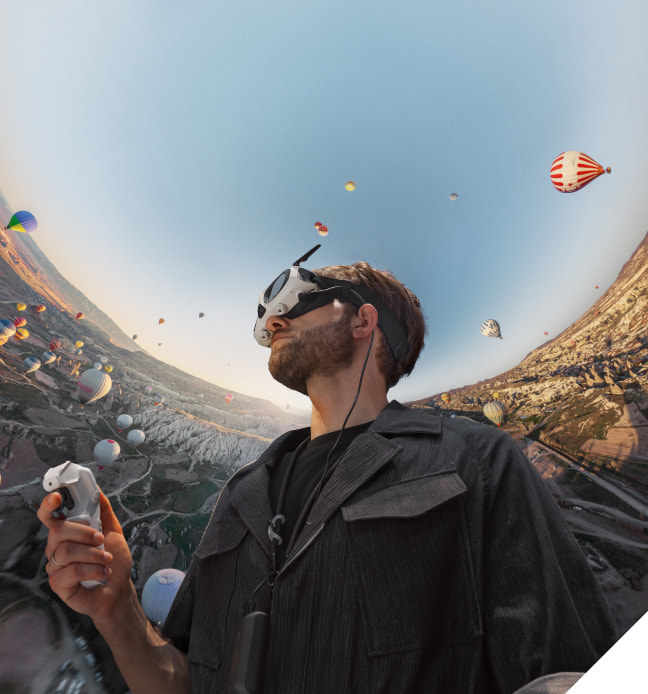
360° drones simplify creative framing by recording the surrounding environment, allowing pilots to focus more on flying.Antigravity A1 uses immersive goggles and a Grip motion controller. Its FreeMotion technology lets users look around independently of the drone’s flight direction, creating an intuitive panoramic experience.DJI Avata 360 supports conventional controllers, including the DJI RC 2, alongside compatible FPV goggles and motion controllers. This gives pilots flexibility between traditional drone operation and immersive flying.Antigravity A1 suits creators who prefer intuitive motion-based controls. DJI Avata 360 appeals to users who want multiple control methods for different shooting situations.
Safety Features and Intelligent Tracking
Flight safety becomes especially important when recording near trees, buildings, or moving subjects.DJI Avata 360 includes omnidirectional obstacle sensing, integrated propeller guards, and ActiveTrack 360°. These features support obstacle awareness and automated subject tracking.Antigravity A1 combines navigation assistance and automated safety functions with its lightweight design and immersive controls.DJI provides a more extensive set of specified obstacle-sensing and tracking features, while Antigravity emphasizes accessible immersive flight.Regardless of the model, pilots should check battery levels, inspect propellers, monitor weather conditions, and maintain safe distances from obstacles.
Creative Applications of 360° Aerial Drones
Travel Content, Social Media, and Virtual Tours
360° drones help creators produce multiple videos from one flight. Panoramic footage can become cinematic landscape shots, vertical social clips, or interactive experiences without repeated filming.Antigravity A1’s foldable design makes it particularly suitable for travel creators who want lightweight equipment. Its 8K recording provides flexibility for post-production reframing.DJI Avata 360 offers higher-frame-rate 360° capture and a Single-Lens mode, making it useful for creators switching between panoramic and conventional video.Both drones can support tourism campaigns, destination previews, and virtual tours that showcase landscapes and locations from different perspectives.
Real Estate, Adventure, and Immersive Storytelling
Real estate creators can use 360° aerial footage to show properties, surrounding neighborhoods, and nearby landscapes in one recording.Outdoor filmmakers also benefit from panoramic capture when recording cycling routes, hiking trails, and action sequences.DJI Avata 360’s 8K/60fps recording and ActiveTrack 360° can help with dynamic scenes and moving subjects. Antigravity A1’s lightweight construction and extended-battery option are useful for remote filming locations.Both systems give editors more freedom to create dramatic reveals, adjust viewpoints, and develop immersive stories after filming.
The Future of 360° Aerial Content Creation
AI Editing and Flexible Reframing
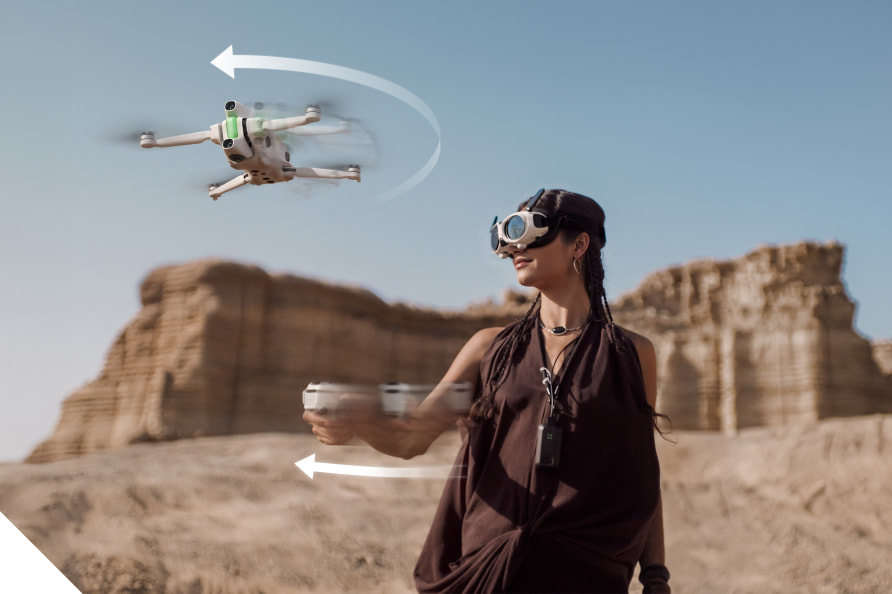
AI-assisted editing is making 360° footage easier to manage. Automated subject tracking, stabilization, and reframing tools can reduce manual editing and help creators produce multiple formats efficiently.Antigravity A1 provides high-resolution panoramic footage for flexible editing, while DJI Avata 360 adds 8K/60fps HDR recording for dynamic scenes.Creators can transform one recording into horizontal videos, vertical clips, or immersive experiences. However, reframed footage has lower effective resolution than the full 8K spherical recording.As editing technology improves, 360° aerial production will become more efficient for individual creators and professional teams.
Lightweight Design and Specialized Features
The 360° drone market is developing around different creative priorities. Antigravity A1 focuses on portability, immersive controls, and extended flight endurance. DJI Avata 360 emphasizes high-frame-rate imaging, obstacle sensing, subject tracking, and flexible control options.drone camera capabilities also play an important role in choosing between these models, especially for creators seeking high-quality panoramic footage and versatile shooting options.Storage also differs. Antigravity A1 includes 20GB of internal storage and microSD expansion up to 1TB, while DJI Avata 360 provides 42GB of built-in storage.These differences allow creators to choose equipment based on mobility, shooting style, and production requirements.
Conclusion
Antigravity A1 and DJI Avata 360 show how 360° drones are expanding creative possibilities.Antigravity A1 stands out for portability, intuitive immersive controls, and longer maximum flight time with its extended battery. DJI Avata 360 offers higher-frame-rate 360° recording, advanced obstacle sensing, and flexible control options.The best choice depends on your priorities. Travel creators may prefer the lightweight A1, while filmmakers focused on dynamic footage and intelligent tracking may favor DJI Avata 360.Both demonstrate how panoramic recording and flexible reframing are reshaping aerial content creation.