Key Takeaways
- Automated sprouted grain systems dramatically reduce water use in feed production.
- Sustainability certifications can help feed mills gain market credibility and access new customers.
- Artificial intelligence (AI) transforms feedlot management through enhanced data analysis.
- Investment in contemporary equipment improves output and feed quality.
- Recycled ingredients promote circular economies and reduce food waste in agriculture.
As agricultural practices advance, feed mills are at the forefront of adopting sustainable solutions that prioritize efficiency and minimize environmental impact. Today’s feed production landscape is driven by the integration of new technologies, improved management systems, and eco-friendly approaches. For those involved in animal nutrition or seeking modern solutions, an industrial feed mill equipment supplier in NC can support these sustainability transitions by providing access to state-of-the-art equipment and innovation.
Feed mills play a pivotal role in ensuring food security and environmental stewardship. A shift towards greater sustainability not only addresses the pressing challenges of resource consumption but also equips businesses to remain competitive in a rapidly changing market.
To meet evolving consumer demand for sustainable and ethical food sources, feed mills are redefining traditional operational models. In this article, readers will find practical strategies for implementing sustainability while leveraging advanced tools that promise measurable operational and environmental gains.
Global investment in sustainable feed production is also supported by extensive industry resources such as Successful Farming, which tracks industry trends and innovations, ensuring producers stay up-to-date with best practices.
Automated Sprouted Grain Systems
One of the most significant breakthroughs in feed manufacturing is the adoption of automated sprouted grain (ASG) systems. These systems, exemplified by Forever Feed Technologies, provide a daily supply of fresh sprouted grain with greatly reduced resource inputs. At their facility in Hanford, California, ASG production has proven capable of supplying up to 50 tons of grain per day while using over 95% less water than conventional field-grown feed crops, such as alfalfa. ASG systems guarantee reliable, high-quality feed that supports animal health and productivity, even in regions facing water scarcity.
In addition to water savings, automated sprouted grain technologies enable greater control over feed quality and consistency. By fine-tuning growing parameters and environmental conditions, operators can deliver feed customized for different livestock nutritional needs, supporting optimal growth and animal health. Furthermore, the year-round production capability of ASG systems helps feed mills maintain steady supply chains, insulating producers from volatile crop yields or climate-related disruptions.
Sustainability Certifications
Certification under recognized sustainability standards has become an important way for feed mills to demonstrate accountability and commitment to environmental stewardship. For instance, Alltech Coppens became the first to achieve the Aquaculture Stewardship Council (ASC) Feed Standard certification at its German and Finnish plants. This certification verifies that both sourcing and production methods align with strict criteria for sustainability, social responsibility, and traceability. Third-party certifications reassure buyers and open the door to new, sustainability-focused markets, enhancing a mill’s visibility and reputation.
Additionally, certifications benefit internal operations by motivating continuous improvement. Many certification bodies require routine reviews and updates of management practices, ensuring that mills remain proactive in addressing sustainability issues. This process can foster a culture of transparency and innovation, helping feed manufacturers not just meet but exceed industry norms over time.
Artificial Intelligence in Feedlot Management
Integrating artificial intelligence into feedlot management empowers operators with unparalleled insights for better decision-making and animal welfare. Platforms such as Ever.Ag’s Feedlot IQ analyzes a range of data, including animal health, nutritional intake, weather patterns, and financial metrics. By identifying shifts in feed intake, flagging emerging health issues, and spotting performance trends, AI applications help managers take early action, improving efficiency and lowering operational risks. The broader adoption of AI is predicted to fuel even greater advances in feed optimization and precision agriculture, a trend highlighted by leading industry publications like FeedNavigator.
Further, AI integration can facilitate precision dosing of nutrients, automated scheduling, and predictive maintenance of mill equipment. These innovations collectively drive significant resource savings and help streamline large-scale operations. The result is a more data-driven, resilient feed production system capable of adapting to changing market and environmental conditions.
Investing in Modern Equipment
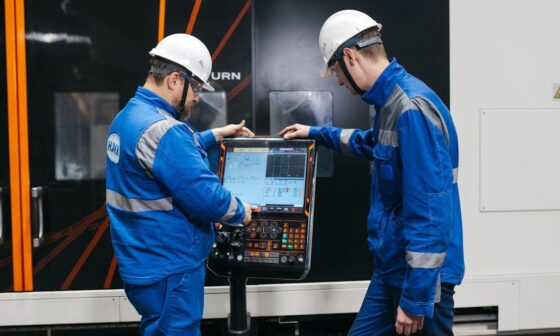
Modernizing feed processing facilities unlocks numerous advantages, including greater throughput, enhanced product quality, and expanded capabilities. For example, Farmer’s Choice Feed in Kentucky constructed a new facility equipped with dual production lines, advanced roller mills, mixing systems, and micro-ingredient dosing technologies. The state-of-the-art setup enabled them to increase capacity and diversify product offerings to satisfy both conventional and organic markets. Investing in reliable, efficient equipment also results in cost savings through reduced downtime and more consistent product outcomes, helping feed mills scale operations responsibly.
New equipment designs increasingly emphasize energy efficiency and seamless integration with digital management platforms. Retrofitting older mills with these advancements does not just increase productivity but also reduces the carbon footprint associated with feed manufacturing. Encouragingly, grants and incentives may be available to help mills offset up-front investment costs, expediting the modernization process.
Utilizing Recycled Ingredients
Transitioning towards a circular economy in feed manufacturing means incorporating ingredients repurposed from waste streams. The Mill, a food recycling innovation, converts household food scraps into chicken feed ingredients, recently approved for use in Washington State. This practice significantly reduces landfill demand and cuts greenhouse gas emissions associated with food waste. By leveraging materials that would otherwise go unused, feed mills not only help close the resource loop but also generate new value streams across agriculture. The successful integration of recycled ingredients demonstrates how industry creativity can directly address sustainability challenges.
As more feed mills adopt recycled ingredient strategies, collaboration with local suppliers and food processors becomes increasingly important. These partnerships allow for a reliable supply of safe, traceable recycled inputs and help strengthen regional agricultural economies. Moreover, ongoing research continues to expand the range of feasible upcycled ingredients, ensuring that feed manufacturing remains innovative and adaptable to emerging sustainability opportunities.
Conclusion
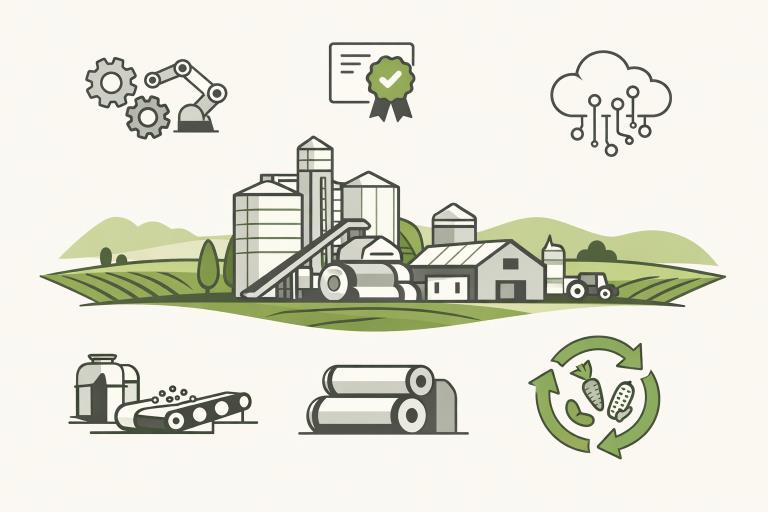
The transition to sustainable feed milling is gaining momentum, underpinned by technological advancement, industry standards, and forward-thinking practices. Automated sprouted grain systems, official certifications, artificial intelligence, cutting-edge facility upgrades, and the use of recycled inputs each play a vital role in crafting a resilient and environmentally friendly future for the feed industry. Feed mills that proactively incorporate these strategies are better positioned to meet regulatory demands, satisfy customers, and build a responsible legacy in agricultural production.
Looking ahead, the ongoing evolution of sustainable feed production relies on continued investment in research, innovation, and collaboration across the supply chain. As companies work together to advance technology and embrace circular economy concepts, the entire agricultural sector stands to benefit, delivering food, feed, and environmental security for generations to come.