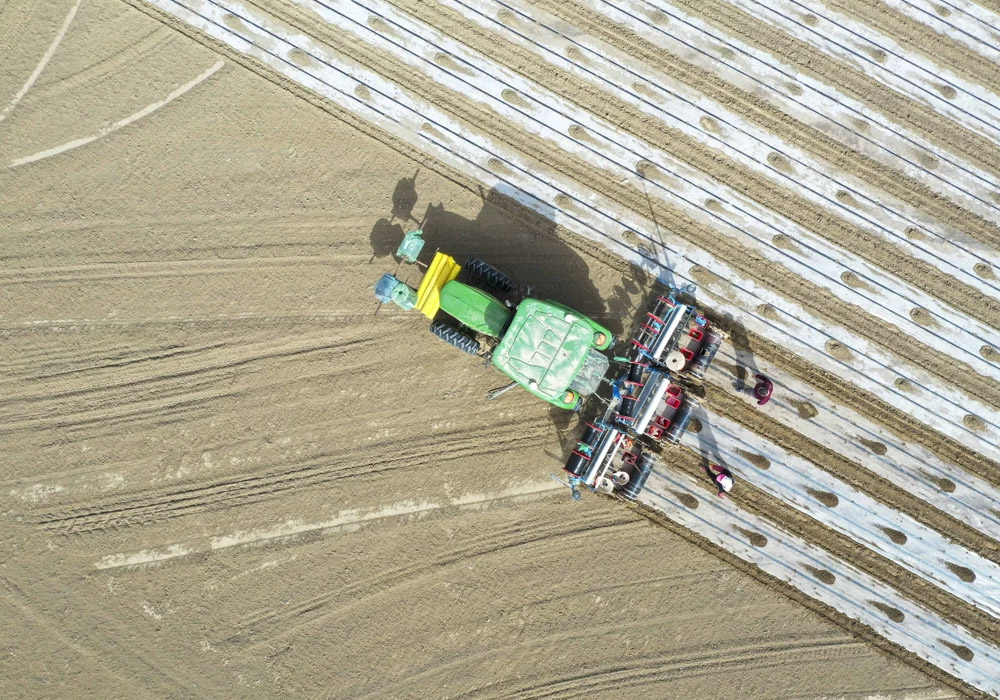
Walk onto almost any UK farm and you’ll spot plastic doing a job within seconds. Wrapped bales sitting in the corner of a field, a polytunnel humming with seedlings, troughs lined up along a fence.
It’s everywhere because it works, and most of us never give it a second thought. Stick around to the end and you’ll have a much clearer picture of what all that plastic actually does and what happens to it once it’s worn out.
The Plastic You See Every Day on a Farm
Silage wrap is probably the most recognisable. That black or green film keeps fodder airtight through the winter, which stops it rotting and saves a fortune in wasted feed. A single dairy farm can get through tonnes of the stuff in a season.
Polytunnel covers are the next big one. They let growers extend the season by weeks at either end, which matters a lot when a wet spring or late frost throws the calendar off. The covers are light, cheap to replace and easy to patch with proper repair tape when a storm rips a hole in them.
Then there’s all the smaller kit that quietly keeps a farm running. Pipework for irrigation, netting, mulch film, fertiliser bags and the bale twine that holds everything together. None of it is glamorous, but pull it out and the whole operation grinds to a halt.
Where Heavy-Duty Sheet Earns Its Keep
Livestock equipment is where plastic really proves itself. Pens, chutes and handling systems take a hammering from animals that weigh half a tonne and don’t care about your nice clean panels. For these jobs, farmers often turn to a high density polyethylene sheet, which shrugs off impact, resists chemicals and wipes clean in seconds.
Farmers use it for pen linings, chute guides and water trough liners. It doesn’t rot, it doesn’t rust and it won’t soak up moisture and warp the way timber does. You can hose it down after a muddy week and it looks the same as the day it went in.
Feed storage is another good fit. Because the material is food-safe and low-friction, feed slides out cleanly instead of clumping and going off in the corners. That keeps the herd healthy and cuts down on waste, which every farmer cares about.
What Happens to Farm Plastic When It’s Done
The flip side of all this convenience is the mountain of used plastic a farm produces. Old silage wrap, empty fertiliser bags and worn netting pile up fast, and burning or burying them on farm has been illegal in England and Wales since 2006, and in Scotland since 2019, with fines of up to £50,000.
Collection schemes have made disposal far easier. Organisations like Agriculture, Plastic & Environment UK (APE UK) coordinate a national collection scheme, and many farmers now separate their waste so it can actually be recycled instead of landfilled. Even so, only around a third of UK agri-plastic is currently collected for recycling, well behind the 70%-plus rates seen in parts of Europe. The main types worth sorting are:
- Silage wrap and bale film
- Fertiliser and feed bags
- Hard HDPE items like troughs, pipes and containers
Hard HDPE is one of the easier materials to recycle because it’s clean, consistent and holds its value. Sorting it from the soft films is the single biggest thing a farm can do to keep more plastic out of the ground.
Plastic Pulls Its Weight on the Farm
Plastic isn’t going anywhere on UK farms, and there’s no real reason it should. It protects feed, shelters crops, handles livestock and does it cheaply. The trick is treating the end of its life with the same care as the start. If you buy the durable stuff that lasts years and you sort it properly when it finally wears out, you get all the benefit with a lot less of the guilt.