Industrial buildings depend on many systems to stay safe and run well. Roofs and valves are two of these systems. They do not get much attention, but they have seen steady improvements in recent years.
Industrial roofs do far more than block rain and wind. Modern valves safely control hot liquids and steam under tough conditions. Learning about new ideas in both areas shows how facilities last longer and use less energy.
Advances in Valve Technology for Boiler Systems
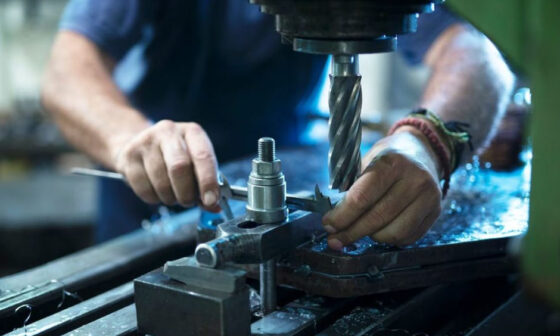
Valves in boiler rooms handle hot water, steam, and gritty sludge. Their dependability affects both worker safety and daily output. Older valve types wear out fast when used for boiler blowdown.
Blowdown flushes out sludge that builds up in the boiler water. Suppliers like https://www.everlastingvalveusa.com/products/boiler-blowdown-valves/ offer boiler blowdown valves for specific needs. Automated controls boost boiler performance by setting the exact blowdown time and length based on real-time water readings. Computers now precisely determine how much sludge to remove and keep the water chemistry steady.
How Industrial Roofing Materials Have Changed
Older industrial roofs were built with layers of asphalt and gravel. Thermoplastic polyolefin (TPO) and polyvinyl chloride (PVC) membranes are popular because they reflect sunlight away from the building. These “cool roof” materials can lower the roof surface temperature by up to 50 degrees Fahrenheit. This eases the load on air conditioning systems and lowers peak energy bills.
Some factory coatings even use special pigments to boost this cooling effect. New membranes resist rips, chemical spills, and strong winds better than old materials. A few products have self-healing layers that close up small holes when heated by the sun. In areas with heavy snow, metal roofs with hidden fasteners stop leaks by removing exposed screw holes. The goal of all these changes is simple: a roof that lasts for decades with little repair work.
Smart Roof Monitoring Systems
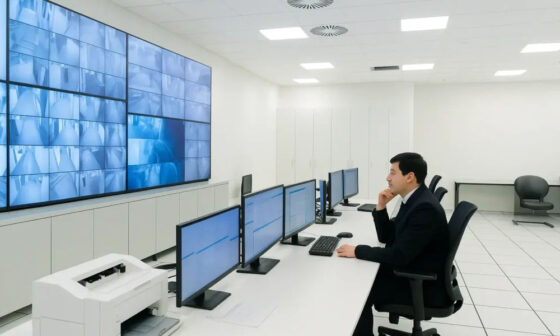
Roofs today include sensors that watch for problems. Moisture sensors placed inside the roof layers can find trapped water long before anyone sees a drip inside the building. Strain gauges on roof supports send data to online platforms. These systems warn managers when snow is too heavy or when the structure bends in odd ways.
Some setups combine weather forecasts with heat-sensing cameras to predict ice dams. Drones with infrared cameras can inspect a roof and catch tiny details that workers might miss. When a roof can report its own condition, no one has to wait for a water stain to know there is trouble.
How Roofs and Valves Share a Thermal Link
Industrial roofs and boiler valves may seem unrelated, but both affect how a building handles heat. A cool roof brings down the air temperature around rooftop air intakes and steam pipes. That reduces the need for thick insulation. Tight boiler blowdown valves stop steam leaks.
Smart building systems now gather data from:
- Roof sensors
- Boiler controls
- Weather stations
When a facility treats the building shell and its equipment as parts of one system, energy savings grow faster.
Building Smarter Facilities From the Top Down
Industrial roofing and boiler valves rarely appear in the same conversation. Stronger, smarter materials and digital monitoring are turning into active parts of a facility’s performance.
Every part of a building matters. When roofs, valves, and the systems that link them work as one, industrial facilities become more reliable, more efficient, and better prepared for a sustainable future. To stay updated with roofing news and trends, check out our blog for more.