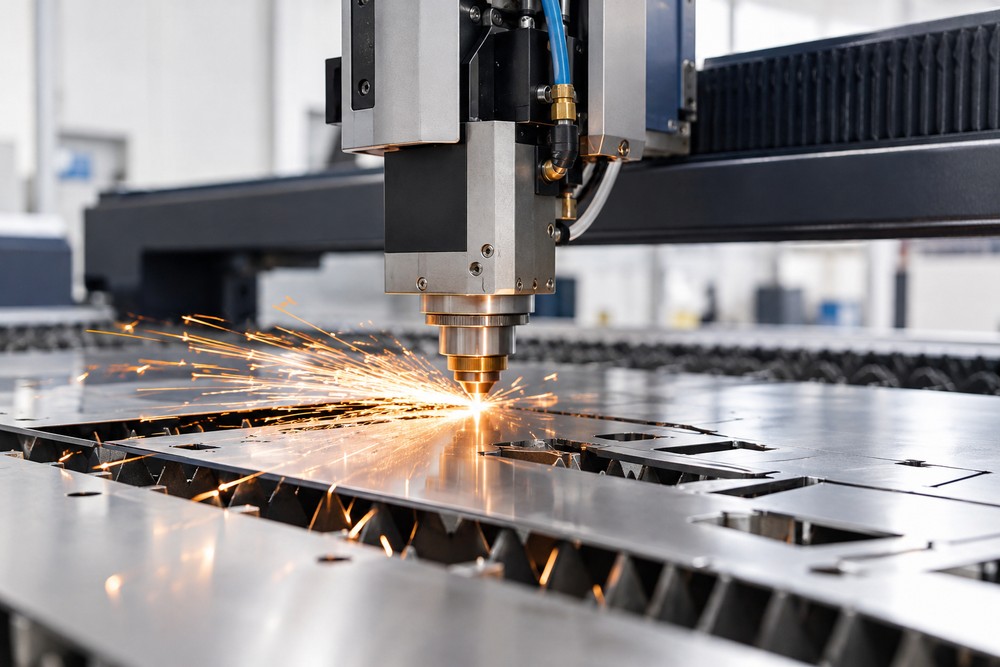
In the ever-evolving landscape of modern manufacturing, technological advancements are pivotal in shaping the industry’s future. One such innovation, the fiber optic laser cutting machine, has fundamentally transformed the way materials are processed, offering unmatched precision and efficiency.
Understanding Fiber Optic Laser Cutting Technology
Fiber optic laser cutting is a process that uses a highly concentrated beam of light transmitted through optical fibres to cut through a variety of materials with incredible accuracy. This technology utilises the photonic properties of fibre optics to generate a coherent light source capable of delivering superior cutting performance compared to traditional laser cutting methods.
Key Components and Working Mechanism
The core of fiber optic laser cutting technology lies in its use of fibre lasers, where the laser beam is generated in a fibre optic cable doped with rare-earth elements like ytterbium. This beam is then directed onto the target material to execute cuts with exceptional sharpness and minimal heat-affected zones. The focus and power density offered by fibre optic lasers surpass those of CO2 lasers, enabling cleaner edges and faster processing times.
Advantages Over Conventional Cutting Techniques
Compared to mechanical cutting or traditional laser systems, fiber optic laser cutting machines provide numerous advantages. These include enhanced precision, higher cutting speeds, and greater energy efficiency. The non-contact nature of the process reduces wear and tear on equipment and eliminates contamination risks, making it ideal for sensitive or high-value materials.
Applications in Diverse Manufacturing Sectors
From automotive and aerospace to electronics and medical device industries, the versatility of fiber optic laser cutting machines has been widely harnessed. Its capability to accurately cut metals such as stainless steel, aluminium, and titanium has led to improved product quality and manufacturing throughput.
Impact on Quality and Production Efficiency
Implementing fibre optic laser cutting technology elevates both the quality of manufactured components and the efficiency of production lines. Reduced thermal distortion and excellent repeatability contribute to tighter tolerances and superior finishes, which in turn decreases the need for secondary processing steps.
Environmental Considerations and Sustainability
Another notable benefit of fibre optic laser cutting is its comparatively low energy consumption and waste generation. These features align well with contemporary industrial goals focused on environmental sustainability and minimisation of carbon footprints.
Integration with Advanced Manufacturing Systems
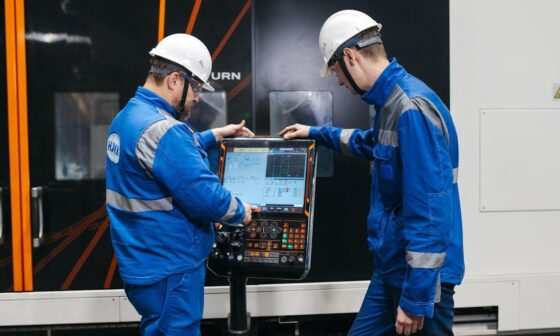
The fibre optic laser cutting machine can be seamlessly integrated into automated manufacturing setups, including CNC and robotic systems. This integration supports high-volume production demands and allows for complex cutting patterns governed by precise digital tools.
Training and Operational Expertise
While the technology is advanced, acquiring operational expertise is critical to leveraging its full potential. Manufacturers must invest in skilled personnel knowledgeable in laser safety, machine programming, and maintenance protocols to ensure optimal use and longevity of the equipment.
Cost Efficiency and Return on Investment
Although initial investment costs for fibre optic laser cutting machines may be higher than traditional cutting equipment, the long-term returns in productivity, material savings, and reduced labour costs justify the expenditure. Businesses can anticipate accelerated payback periods through increased operational efficiency.
Future Trends and Innovations
Research and development in fibre optic laser cutting technologies continue to propel advancements such as ultra-fast cutting speeds, miniaturisation of equipment, and hybrid systems combining laser cutting with additive manufacturing. These trends promise to keep fibre optic laser cutting at the forefront of manufacturing innovation.
Conclusion: A Paradigm Shift in Manufacturing Precision
In conclusion, fibre optic laser cutting represents a significant leap forward in manufacturing technology. Its ability to deliver precise, efficient, and environmentally responsible cutting solutions positions it as a cornerstone in the future of manufacturing processes globally. Embracing this technology enables industries to maintain competitive advantages and meet the rigorous demands of high-standard production environments.