Selling a home as-is can be a practical route for Bartlett, Tennessee, homeowners who do not want to take on a major repair project before moving, settling an estate, relocating, or resolving a difficult property situation. It does not have to mean accepting the first offer or skipping the details that protect your interests.
Whether you plan to list with an agent, sell independently, or speak with a cash home buyer in Bartlett, TN, the strongest starting point is the same: understand the home’s condition, gather records, compare the true net proceeds, and read the contract carefully.
What Selling a House As-Is Means
An as-is sale generally means the seller is not agreeing to complete repairs or improvements before closing. The buyer may still inspect the property, ask questions, request concessions, or decide not to proceed if the contract gives them that right. The words “as-is” should match the actual purchase agreement, not just a listing description or verbal conversation.
How Bartlett Conditions Can Affect the Sale
Buyers compare condition, location, price, and anticipated repair costs. A move-in-ready home may appeal to a different audience than a property with an aging roof, outdated electrical components, drainage concerns, or a nonfunctioning HVAC system. Recent comparable sales in the same or nearby Bartlett neighborhood are more useful than relying only on an automated online estimate.
Local weather and property upkeep also matter. Summer humidity, heavy rain, mature trees, and older homes can lead buyers to ask about roof maintenance, crawl spaces, gutters, drainage, and past water intrusion. Homeowners considering regional selling options can also review Memphis, TN – Your Town Buyers as part of a broader comparison of timing, preparation, and offer terms.
Which Repairs Deserve Attention First
Not every repair produces a worthwhile return. Before spending money, separate urgent issues from cosmetic projects and obtain estimates for any large concerns. Safety and active water problems usually deserve the earliest attention because they can affect both buyer confidence and the ability to access or show the property safely.
- Safety concerns: exposed wiring, loose railings, damaged steps, gas odors, or major trip hazards.
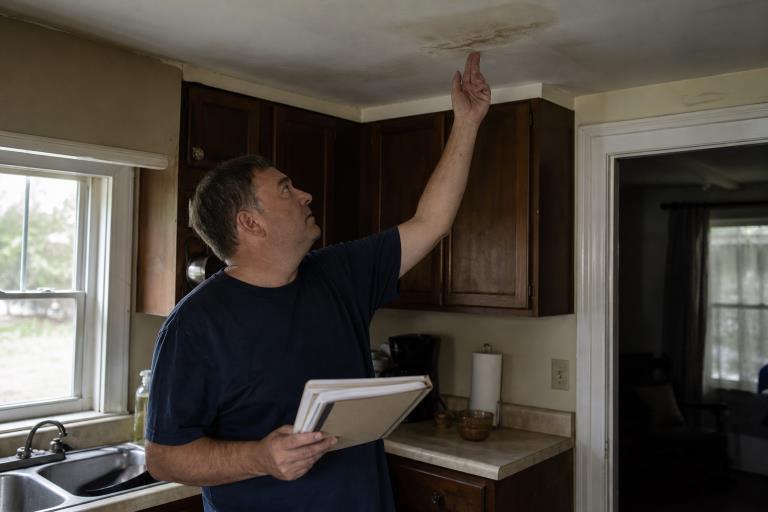
- Water and moisture: active roof leaks, plumbing leaks, standing water, poor grading, or visible water damage.
- Major systems: heating and air conditioning, plumbing, electrical panels, sewer lines, and structural components.
- Low-cost presentation: removing debris, cleaning, replacing burned-out bulbs, trimming overgrowth, and securing loose items.
Moisture should not be dismissed as merely cosmetic. Tennessee health guidance identifies leaking roofs and pipes, poor drainage, and water entering below-grade spaces as common moisture sources, so sellers should describe known conditions accurately and avoid covering a problem without addressing its cause.
Tennessee Disclosure Rules for As-Is Sales
“As-is” does not automatically eliminate disclosure responsibilities. For covered residential transfers, Tennessee law provides for either a property condition disclosure statement addressing known material defects or an as-is disclaimer when the buyer waives the disclosure requirement. The state’s residential disclosure requirements also make clear that a disclosure is not a warranty and does not replace a buyer’s inspection.
Review known roof, foundation, plumbing, electrical, HVAC, drainage, pest, boundary, easement, permit, and insurance-claim issues before signing. If the property condition changes after completing paperwork, do not assume the earlier form settles the matter. This is general information, not legal advice. Probate, divorce, foreclosure, title, or estate-sale questions deserve advice from a qualified Tennessee attorney or real estate professional.
Documents to Gather Before Finding a Buyer
Having records ready can reduce avoidable delays and help buyers evaluate the home without having to guess. Collect the current deed, mortgage payoff information, property-tax records, surveys, permits, warranties, repair receipts, and prior inspection reports if available. Include homeowners’ association documents for an HOA property, lease documents for an occupied home, and probate paperwork for inherited real estate.
Ways to Sell a Bartlett Home
Traditional Listing
A traditional listing may expose the home to more prospective buyers. It can be a strong option when the house shows well, and the seller has time to prepare and handle showings, inspections, financing contingencies, and negotiations. It may also involve commissions, repair requests, and continuing ownership costs while the property is marketed.
For-Sale-by-Owner
For-sale-by-owner can give a seller direct control over pricing, marketing, showings, and negotiations. It also places the responsibility for screening buyers, managing paperwork, and coordinating the closing squarely on the owner.
Direct Cash Sale
A direct cash sale can suit an owner facing repairs, tenant issues, a relocation deadline, or an inherited property. It may reduce uncertainty in preparation and financing, but the gross price is only one part of the decision. Compare it with expected repair costs, commissions, closing charges, holding costs, and the certainty of the proposed closing date.
How to Review a Cash Offer
Review every offer line by line. Confirm the purchase price, earnest-money deposit, inspection or cancellation rights, closing date, possession date, proposed deductions, and whether the buyer may assign the contract. Ask who will handle title work and request proof that the buyer can fund the purchase.
For example, a $250,000 offer requiring $20,000 in repairs and seller-paid costs may result in a net offer of less than $238,000, with no repair requirement and fewer seller charges. The comparison should focus on the estimated amount you receive at closing, not the largest number in the first paragraph of an offer.
Red Flags to Watch For
- Pressure to sign before you can review the agreement.
- Blank spaces, vague deadlines, or unexplained fees.
- Refusal to identify the title company or provide proof of funds.
- A large price reduction after you have signed.
- Wire instructions were sent unexpectedly or changed without verification.
- Promises that are not included in the written contract.
When terms are complex, use an independent title company, attorney, or trusted advisor. Never rely solely on a verbal explanation of what a contract supposedly means.
A Simple Bartlett Home-Sale Timeline
- Days 1 to 2: Set your deadline, selling priorities, and preferred path.
- Days 3 to 5: Gather documents, identify known defects, and request repair estimates if needed.
- Week 2: Compare local pricing information and more than one offer or valuation opinion.
- Before closing: Confirm title, payoff figures, disclosures, possession, and final settlement numbers.
Final Checklist
- Choose a realistic timeline.
- Document known property conditions honestly.
- Gather ownership and repair records.
- Compare net proceeds, not headline prices.
- Verify the buyer, funding, and closing process.
- Read every contract term before signing.
An as-is home sale in Bartlett can be a sensible choice when repairs, timing, or personal circumstances make a conventional listing difficult. The right option depends on the home’s condition, your deadline, the real cost of repairs and holding the property, and a contract that clearly states what each party will do.