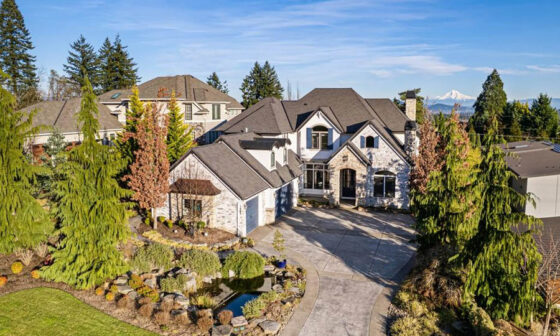
Owning real estate is often viewed as a valuable investment, but not every property remains an asset forever. Sometimes a home becomes more of a burden than a benefit, creating ongoing expenses, maintenance responsibilities, and stress for the owner.
Whether you’ve inherited a house, relocated for work, inherited a rental property with tenants, or simply own a home you no longer need, managing an unwanted property can quickly become overwhelming.
The good news is that homeowners have several options available. Understanding those options can help you make a decision that aligns with your financial goals and personal circumstances.
Why Properties Become Unwanted
There are many reasons why homeowners find themselves holding onto properties they no longer want.
Common situations include:
- Inheriting a family home
- Relocating to another city or state
- Managing a vacant property
- Owning a rental with ongoing tenant issues
- Downsizing after retirement
- Facing unexpected financial challenges
- Owning a property that requires extensive repairs
In many cases, homeowners didn’t plan to become long-term property managers. As a result, they may not be prepared for the ongoing costs and responsibilities involved.
The Hidden Costs of Keeping an Unused Property
Many homeowners delay making a decision because they assume holding onto a property won’t cost much.
Unfortunately, unused homes often continue generating expenses month after month.
Property Taxes
Property taxes remain due whether the home is occupied or vacant.
Insurance
Maintaining proper insurance coverage is essential, particularly for vacant properties that may face additional risks.
Utility Bills
Water, electricity, gas, and other services may still need to remain active.
Maintenance Expenses
Even empty homes require regular upkeep.
Common maintenance costs include:
- Lawn care
- Snow removal
- Pest control
- HVAC servicing
- Roof maintenance
- Plumbing inspections
Over time, these expenses can significantly reduce the property’s overall value as an investment.
Vacant Homes Often Deteriorate Faster
A common misconception is that homes stay in better condition when nobody lives in them.
In reality, vacant properties often experience problems that go unnoticed for extended periods.
Examples include:
Water Damage
Small leaks can become major repairs if not identified quickly.
Mold Growth
Poor ventilation and moisture issues can lead to mold problems.
Pest Infestations
Vacant properties are often attractive to rodents and insects.
Structural Deterioration
Minor maintenance issues can gradually become expensive repairs.
The longer a property sits unused, the greater the likelihood of additional repair costs.
Should You Rent the Property?
Some homeowners consider turning an unwanted home into a rental property.
While this can create income opportunities, it also introduces new responsibilities.
Landlords often manage:
- Tenant screening
- Lease agreements
- Maintenance requests
- Property inspections
- Legal compliance
- Rent collection
Rental ownership can be rewarding, but it is not always the right solution for homeowners seeking simplicity or financial flexibility.
Before becoming a landlord, property owners should carefully evaluate the time and commitment involved.
Renovating Before Selling
Another option is investing in upgrades before listing the property.
Potential improvements may include:
- Interior painting
- Flooring replacement
- Kitchen updates
- Bathroom renovations
- Landscaping improvements
While renovations can increase a property’s market appeal, they also require upfront investment.
Homeowners should calculate:
- Renovation costs
- Project timelines
- Expected return on investment
- Holding costs during renovations
In some situations, the added value may justify the expense. In others, the financial return may be limited.
Why More Homeowners Are Exploring Direct Sales
Many homeowners simply want a straightforward solution that allows them to move forward.
This has contributed to the growing popularity of direct home-buying services.
Rather than spending months preparing a property for market, some homeowners choose to sell directly and avoid many of the challenges associated with traditional listings.
Potential benefits include:
No Repairs Required
Properties are often purchased in their current condition.
Faster Transactions
Direct sales may move more quickly than conventional real estate transactions.
Fewer Delays
Without mortgage financing contingencies, transactions may involve fewer obstacles.
Reduced Stress
Homeowners avoid showings, open houses, and extended negotiations.
These advantages can be particularly valuable when a property has become more of a burden than a benefit.
Evaluating All Available Options
Every homeowner’s situation is unique.
Before making a decision, consider:
How Much Does the Property Cost Each Month?
Understanding ownership expenses helps determine whether holding the property remains financially beneficial.
What Repairs Are Needed?
Future repair costs may influence whether keeping the property makes sense.
Do You Have Long-Term Plans for the Home?
If no clear purpose exists, selling may be worth considering.
How Much Time Are You Willing to Invest?
Managing a property requires ongoing attention and resources.
What Are Your Financial Goals?
The property’s equity may potentially be used more effectively elsewhere.
A Practical Resource for New Hampshire Homeowners
Many property owners throughout New Hampshire explore alternative selling solutions when dealing with unwanted, inherited, vacant, or distressed properties.
Companies such as Pavel Buys Houses work with homeowners who are seeking a simpler path to selling without the delays and complications often associated with traditional real estate transactions.
For homeowners facing challenging property situations, understanding all available selling options can make the decision-making process much easier.
Final Thoughts
An unwanted property can create more than just financial costs. It can consume time, energy, and attention that could be directed toward other priorities.
Whether you’re dealing with an inherited house, a vacant property, a former rental, or a home that no longer fits your needs, taking action early can help prevent expenses from accumulating over time.
By carefully evaluating ownership costs, repair needs, and long-term goals, homeowners can choose the option that best supports their financial future. Sometimes holding onto a property makes sense. In other situations, selling may provide the flexibility, simplicity, and peace of mind needed to move forward with confidence.