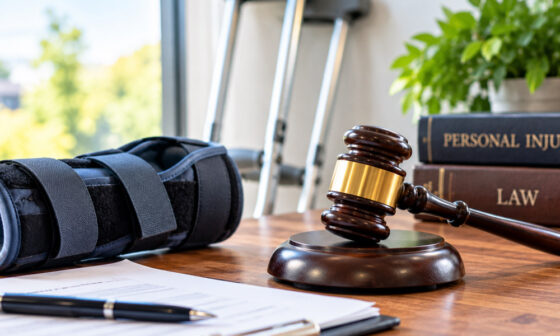
An unexpected crash, fall, or other serious incident can be especially disruptive in a close-knit community such as Van Wyck, South Carolina. The first priorities are safety, medical care, and clear documentation. People who need help understanding their options after an injury may also consider speaking with a personal injury lawyer in Van Wyck, sc once their immediate health needs are addressed.
Whether an injury occurs on a rural road, at a neighborhood business, on a job site, or on private property, early decisions can affect both recovery and the ability to explain what happened later. A calm, organized response is often more useful than trying to resolve every issue at the scene.
Why Fast Action Matters After an Injury
Some injuries are obvious immediately, while others become more noticeable after adrenaline fades. Pain, stiffness, headaches, dizziness, swelling, and limited movement may develop or worsen over the hours following an incident. Seeking an appropriate medical evaluation creates a record of symptoms and gives a provider the opportunity to recommend treatment.
For Van Wyck residents, travel distance can add another challenge. A person may need to coordinate a ride, reach a nearby clinic, or arrange follow-up care farther from home. Do not let paperwork, photographs, or an insurance call delay emergency treatment. If a crash is involved, the steps people take to handle insurance claims after a car accident should come after urgent health and safety concerns are addressed.
What to Do During the First Few Hours
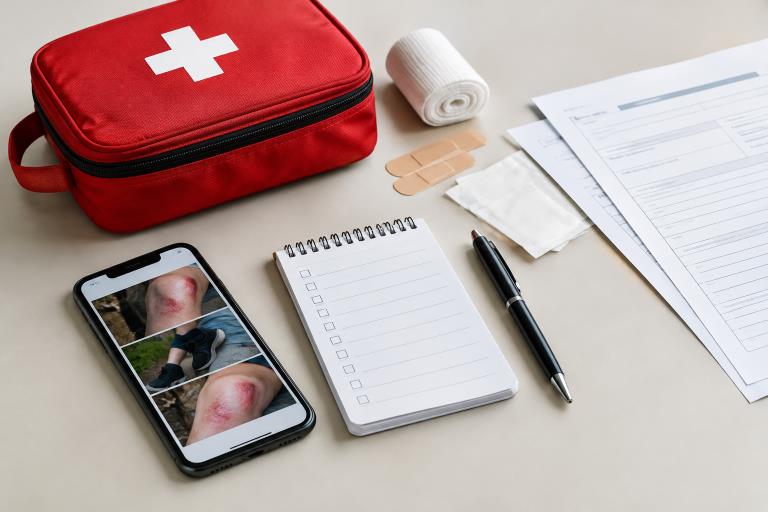
After an injury, use a simple checklist rather than relying on memory during a stressful moment:
- Move to a safer location only if doing so will not worsen an injury.
- Call 911 for severe bleeding, breathing problems, loss of consciousness, confusion, intense pain, or other urgent symptoms.
- Avoid moving a person with a possible neck, back, or serious head injury unless there is immediate danger.
- Contact law enforcement when a vehicle collision, dangerous property condition, or significant injury is involved.
- Exchange basic contact and insurance information if it is safe to do so.
- Take a few clear photos of vehicles, hazards, property damage, and visible injuries.
- Write down the time, location, weather, and sequence of events while details are still fresh.
For a roadway incident, photographs should never put someone in harm’s way. The federal road-safety guidance from safe behaviors on the nation’s roads reinforces the importance of staying alert around traffic and avoiding additional risks at the scene.
Getting Medical Care Near Van Wyck
An emergency department is generally the right choice for severe or potentially life-threatening symptoms. For less urgent concerns, a primary care provider, urgent care clinic, or follow-up specialist may be appropriate. The initial provider can help determine what type of additional care is needed.
Before leaving an appointment, ask for written discharge instructions and confirm when to return if symptoms change. Follow the treatment plan, attend recommended follow-up visits, and report any new symptoms or difficulties with daily activities to the provider. Keep appointment summaries, prescription information, test results, and medical bills in one place.
Transportation can be a practical obstacle when a person is unable to drive after an injury. Ask providers about telehealth availability, referrals closer to home, prescription delivery options, and whether physical therapy or specialist care can be coordinated around transportation limitations.
How to Preserve Useful Evidence
Small details may become important when people later disagree about how an injury occurred. Preserve evidence before cleanup, repairs, or changing weather conditions alter the scene. This is particularly important on back roads, driveways, construction areas, and properties where lighting, surface conditions, or visibility may be relevant.
- Photograph road surfaces, signs, lighting, weather, hazards, and damaged vehicles or property.
- Save damaged clothing, personal items, protective equipment, and broken tools when practical.
- Collect names and contact information from witnesses.
- Request available crash reports, incident reports, workplace reports, or inspection records.
- Keep the original text messages, emails, photos, videos, and location information associated with the event.
- Avoid editing original images or posting detailed accounts online.
What to Know Before Speaking With an Insurance Adjuster
Reporting an incident promptly is different from accepting a settlement. Provide accurate, basic facts, but do not guess about speed, fault, the seriousness of an injury, or what another person saw. It is also wise to avoid broad statements such as “I am fine” when symptoms have not been fully evaluated.
Review your own policy for possible coverage, including medical payments, collision, rental reimbursement, and uninsured or underinsured motorist coverage where applicable. The National Association of Insurance Commissioners explains that uninsured motorist coverage can protect a policyholder when an at-fault driver lacks insurance or leaves the scene. Do not sign a final release until the medical situation and the document’s effect are understood.
Records and Expenses to Track
Start a paper folder, spreadsheet, or secure digital file on the day of the incident. Record the date, amount, purpose, and receipt for each expense. Useful items include:
- Medical visits, prescriptions, treatment plans, and therapy appointments
- Mileage or transportation costs for medical care
- Vehicle repairs, towing, rental costs, and damaged property
- Missed work, reduced hours, and lost income documentation
- Child care, household help, or other injury-related expenses
- A brief daily note about pain, sleep, mobility, and missed activities
Common Mistakes That Can Weaken a Claim
Common problems include waiting too long to seek medical attention, stopping treatment without discussing it with a provider, repairing or discarding damaged items before documenting them, and failing to save receipts. Posting photos or detailed statements on social media can also create confusion when comments are taken out of context.
Another frequent mistake is accepting quick payment before the full medical picture is clear. Even a collision or fall that initially seems minor can require follow-up care. Take time to understand the scope of injuries and expenses before agreeing to a final resolution.
When Professional Guidance May Help
Not every injury requires a lawsuit or formal representation. Additional guidance may be useful, however, when an injury involves surgery, long-term treatment, inability to work, disputed fault, multiple insurers, a government entity, an employer, or a settlement offer made before treatment is complete. Families coping with a fatal injury may also need help understanding the next steps.
Frequently Asked Questions
Should medical care come before collecting evidence?
Yes. Emergency care always comes first. If possible, ask a trusted person to take photographs or gather witness information while you receive help.
What if there is no nearby hospital?
Call 911 for a serious emergency. For less urgent symptoms, contact a medical provider and ask about the most appropriate local, virtual, or referral-based option.
How long should records be kept?
Keep records until treatment, insurance issues, and related expenses are fully resolved. Copies of bills, correspondence, and reports can remain useful well after the initial incident.
Final Takeaway
After an injury in Van Wyck, a steady response can make a difficult situation more manageable. Get safe, seek necessary medical care, report the incident, preserve evidence, and document all related expenses. Those steps support recovery while helping ensure that important details are not lost.